Here are the main points to remember about using non-iodized salt for your low iodine diet:
Key Takeaways
- Non-iodized salt is crucial for low iodine diets, especially before medical procedures.
- Always read food labels to identify and avoid hidden sources of iodine.
- Cooking at home with non-iodized salt gives you the most control over your intake.
- While reducing iodine, it's important to still get enough sodium for your body's needs.
- Non-iodized salt is readily available in most grocery stores and online.
Understanding Non-Iodized Salt for Your Diet
When you're focusing on a low iodine diet, salt might seem like a simple thing to manage, but it's actually a bit more complex than you might think. Most of the salt we see in stores, the regular table salt, has iodine added to it. This was a public health move back in the day to help prevent iodine deficiency, which is a real thing and can cause problems, especially with your thyroid (per the NIH). Iodized salt is crucial for providing essential iodine, which supports vital bodily functions including thyroid health, metabolism, growth, and brain development. But for specific diets, like the one we're talking about, that added iodine is exactly what you need to avoid.
The Role of Iodine in Your Diet
Iodine is a mineral your body needs to function properly. It's a key component in making thyroid hormones. These hormones are super important for regulating your metabolism, which is basically how your body uses energy. They also play a big part in growth and development, particularly in children. Without enough iodine, your thyroid gland can swell up, a condition called goiter, and it can lead to other health issues. However, most people in developed countries get enough iodine from their regular diet, often without even realizing it (per NIH).
Why Choose Non-Iodized Salt?
So, why would you deliberately choose salt without iodine? It all comes down to specific dietary needs. The most common reason is preparing for medical treatments, like radioactive iodine therapy for thyroid cancer (per Mayo Clinic). In these cases, doctors will tell you to significantly cut down on iodine intake for a period before the treatment. This helps your body absorb the radioactive iodine more effectively. Beyond medical reasons, some people might choose it for other dietary restrictions or preferences, though it's less common. The main goal is to control your iodine intake precisely.
Identifying Non-Iodized Salt Options
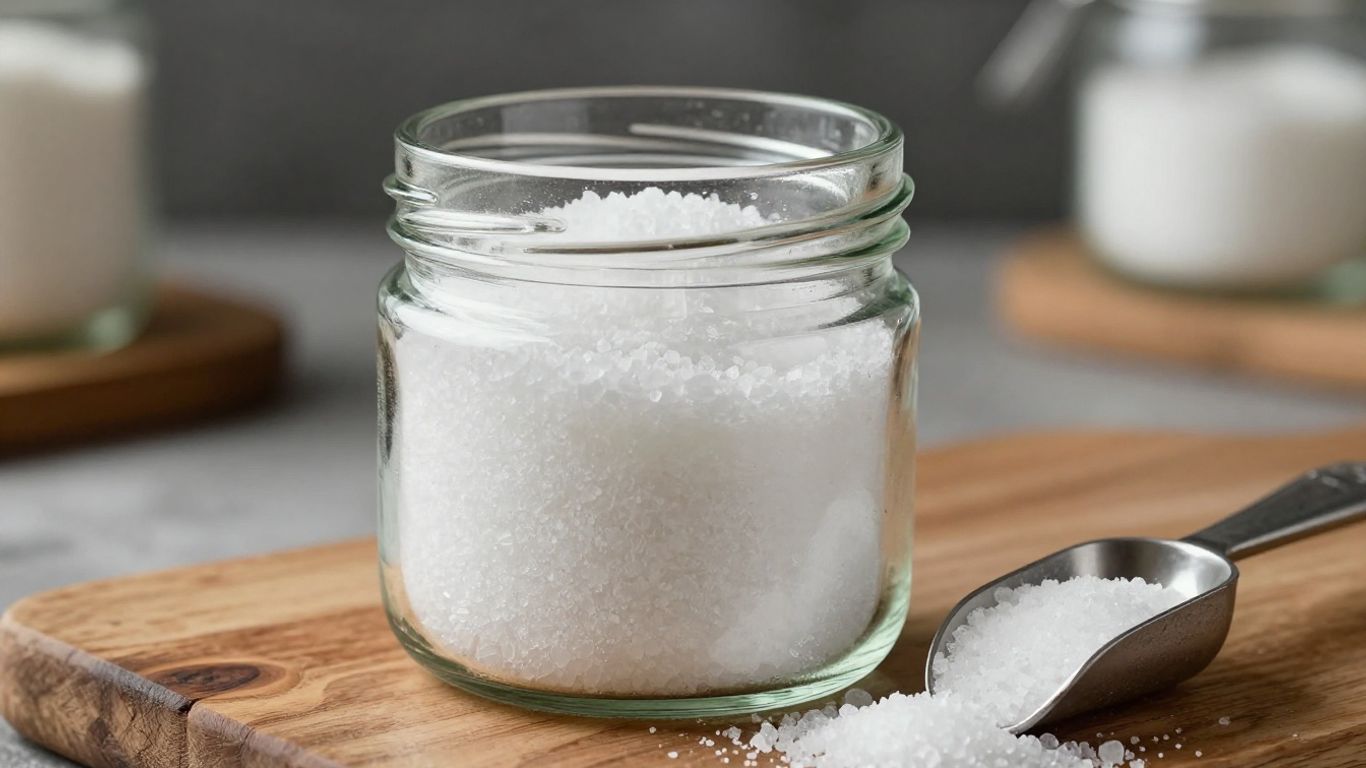
Figuring out which salt is which can be a little tricky at first, but once you know what to look for, it's easy. Regular table salt is almost always iodized. You'll want to look for labels that specifically say "non-iodized" or "iodine-free." Many specialty salts, like kosher salt, sea salt, or Himalayan pink salt, are often not iodized, but you still need to check the packaging (per Mayo Clinic). Sometimes, even these might have iodine added, so reading the label is your best bet. You can usually find non-iodized salt in the salt aisle of most grocery stores, and it's definitely available online.
When you're on a low iodine diet, it's not just about avoiding obvious sources. You have to become a detective, reading every label and questioning ingredients. It might seem like a lot of work, but it's a temporary measure for a specific health goal.
Here's a quick rundown of what to look for:
- Table Salt: Usually iodized. Avoid unless labeled "non-iodized."
- Kosher Salt: Often non-iodized, but check the label.
- Sea Salt: Many varieties are non-iodized, but always verify.
- Himalayan Pink Salt: Typically non-iodized, but check the packaging.
- Salt Substitutes: These often don't contain iodine, but check ingredients for other concerns.
Navigating the Low Iodine Diet
So, you're looking into a low iodine diet. Maybe it's for a medical reason, like preparing for a scan or treatment, or perhaps you're just curious about how it might affect your body. Whatever the reason, it's good to get a handle on what this diet actually involves. It's not about cutting out all iodine, but rather significantly reducing your intake for a specific period. This is often recommended for a week or two before certain medical procedures to help the treatment work better.
Purpose of a Low Iodine Diet
The main goal here is to lower the amount of iodine in your body. Think of it like making your thyroid gland "hungry" for iodine. When you reduce your intake, the thyroid becomes more receptive to absorbing radioactive iodine used in treatments or scans. This helps ensure the treatment is as effective as possible. It's a temporary measure, usually lasting just a short while, but it plays a big role in the success of specific medical interventions.
Foods to Include and Exclude
This is where it gets a bit more detailed. You'll want to focus on fresh, unprocessed foods (per Cleveland Clinic).
Foods generally okay to include (per Cleveland Clinic):
- Fresh fruits and vegetables (wash them well!)
- Egg whites (yolks have iodine)
- Fresh meats, poultry, and fish (but not seafood like shellfish or fish from the ocean)
- Grains like rice, oats, and homemade bread or pasta (made without iodized salt or dairy)
- Unsalted nuts and seeds
- Non-dairy milks like almond or coconut milk (check labels for carrageenan)
Foods to strictly avoid (per Cleveland Clinic):
- Iodized salt and anything made with it (this is a big one!)
- Seafood, shellfish, and fish from the ocean (like cod, tuna, shrimp)
- Dairy products (milk, cheese, yogurt, butter)
- Egg yolks
- Soy products (tofu, soy milk)
- Red food dyes (especially Red No. 3 or Erythrosine/E127)
- Seaweed and kelp (these are packed with iodine)
- Commercially baked goods (often contain dough conditioners with iodine)
It's really about sticking to the basics and preparing meals from scratch as much as possible. You can find a helpful list of low iodine foods to guide you.
Hidden Sources of Iodine to Avoid
This is where label reading becomes your best friend. Iodine can sneak into foods in ways you might not expect. Keep an eye out for ingredients like (per Cleveland Clinic):
- Carrageenan (often used as a thickener in dairy-free milks and processed foods)
- Alginates (another common thickener)
- Agar-agar (a gelling agent)
- "Dough conditioners" (sometimes contain calcium iodate)
- Any salt that isn't specifically labeled "non-iodized" or "Kosher salt" (check the packaging carefully).
Eating out can be tricky. Most restaurants use iodized salt and dairy in their cooking, making it hard to control your intake. It's often best to prepare your meals at home when you're following this diet. This gives you complete control over the ingredients.
Remember, this diet is usually temporary. Always follow the specific instructions from your healthcare provider regarding the duration and exact requirements. If you're looking for more detailed information on thyroid health and testing, you might find resources on functional thyroid testing useful.
Practical Tips for Using Non-Iodized Salt
Cooking and Baking with Non-Iodized Salt
When you're cooking or baking and need salt, reaching for non-iodized salt is key. It's pretty straightforward, really. You'll use it just like you would regular table salt, but without the iodine. This is super important if you're trying to keep your iodine intake low for medical reasons, like preparing for radioactive iodine therapy. Think of it as a simple swap that makes a big difference. For baking, especially bread, using non-iodized salt means you don't have to worry about any hidden iodine sneaking into your dough conditioners. Most commercially prepared baked goods actually use non-iodized salt already, but when you're making things from scratch, it's good to be mindful.
Reading Food Labels for Iodine Content
This is where you become a bit of a detective. Most Nutrition Facts labels won't list iodine unless it's been added. So, you can't always rely on them to tell you if a food naturally contains iodine. Things like seaweed, fish, and other seafood are naturally high in iodine, and these won't show up on the label. However, if a manufacturer does add iodine, or uses iodized salt, they usually have to mention it in the ingredients list. Look out for terms like "iodized salt" or "potassium iodate." Specialty salts like sea salt or Himalayan salt are typically not iodized, but it's always best to check the packaging. If you're unsure about a product, it might be best to avoid it or look for a certified low-iodine option if available. This careful label reading is a big part of successfully managing a low iodine diet.
Ensuring Adequate Sodium Intake
While you're cutting back on iodine, it's also important not to cut back too much on sodium, unless your doctor advises otherwise. Sodium is a necessary nutrient for your body. The trick is to get it from sources that don't also contain iodine. Non-iodized salt is your primary tool here. You can also find sodium in many other foods, but again, be mindful of potential iodine sources. If you're concerned about your overall sodium intake, or if you have specific health conditions like high blood pressure, it's a good idea to chat with your doctor or a registered dietitian. They can help you figure out the right balance for your needs.
Benefits of Non-Iodized Salt in Specific Diets
Preparing for Medical Treatments
When you're getting ready for certain medical procedures, like radioactive iodine therapy, managing your diet is super important. A low iodine diet is often part of this preparation. In this context, using non-iodized salt is key because it helps you control your iodine intake precisely. It's not about cutting out salt entirely, but about making sure the salt you do use doesn't add extra iodine to your system. This helps make sure the treatment works as it should.
- Precise Iodine Control: Non-iodized salt allows for exact tracking of iodine intake, which is vital for medical protocols.
- Avoids Unwanted Iodine: It prevents accidental iodine consumption from a common source.
- Supports Treatment Efficacy: Helps ensure the medical treatment's effectiveness by adhering to dietary restrictions.
It's really about making sure your body is in the right state for the medical intervention. Using non-iodized salt is a simple but effective way to manage one aspect of your diet during this time.
Managing Specific Health Conditions
Beyond specific medical treatments, some health conditions might benefit from a controlled iodine intake. For instance, individuals with certain thyroid conditions might be advised to limit iodine. Non-iodized salt becomes a helpful tool here. It lets you season your food to your liking without adding to the iodine load. This is especially useful since many processed foods already contain iodine, often from iodized salt used by manufacturers. Choosing non-iodized salt at home gives you more control over your overall dietary iodine. You can find various types of non-iodized salt at most grocery stores, making it accessible for daily use.
General Health and Wellness
Even if you don't have a specific medical reason, some people choose non-iodized salt for general wellness. While iodine is necessary for thyroid function, most people in developed countries get enough from their diet, especially if they consume seafood or dairy. If you're concerned about getting too much iodine, or if you simply want more control over your food's ingredients, switching to non-iodized salt is an easy swap. It's a small change that can contribute to a more mindful approach to your diet. Remember, salt is still a source of sodium, so moderation is always key, regardless of whether it's iodized or not.
- Dietary Awareness: Promotes a more conscious approach to food ingredients.
- Ingredient Control: Allows for better management of specific nutrient intake.
- Flavor Without Iodine: Enables seasoning food without adding extra iodine.
It's always a good idea to chat with a doctor or a registered dietitian if you're making significant dietary changes or have health concerns. They can help you figure out what's best for your individual needs.
Where to Find Non-Iodized Salt
So, you're on the hunt for non-iodized salt for your low iodine diet. It might seem a little tricky at first, but honestly, it's usually easier than you think. Most of the time, you'll find it right alongside the regular table salt, but you just need to know what to look for. The key is to read the label carefully.
Grocery Store Availability
Your average supermarket is a good starting point. Look for brands that specifically state "non-iodized" on the packaging. Sometimes, specialty salts like sea salt or kosher salt are naturally non-iodized, but always double-check the label. You might find it in a few different sections:
- Baking Aisle: Often, you'll see it here, especially if it's a finer grain.
- Spice and Seasoning Aisle: This is another common spot for various types of salt.
- Health Food Section: Some stores have a dedicated area for specialty dietary products, and non-iodized salt might be there.
It's worth noting that while many sea salts are non-iodized, not all are. Some manufacturers do add iodine to sea salt, so reading the label is always the best bet. If you're unsure, it's always a good idea to ask a store employee for help locating it.
Online Retailer Options
If your local grocery store isn't cutting it, the internet is your best friend. Online retailers have a huge selection, often more than you'd find in a physical store. You can search specifically for "non-iodized salt" and compare prices and brands easily. Many popular top non-iodized salt brands are readily available online.
Here are some popular online places to check:
- Amazon: You'll find a wide variety of brands and sizes.
- Thrive Market: This online grocer often carries specialty items for specific diets.
- Brand Websites: Some salt manufacturers sell directly through their own websites.
When ordering online, pay attention to shipping costs and delivery times, especially if you need the salt quickly.
Specialty Food Stores
Don't forget about specialty food stores! Places that focus on gourmet ingredients or health-conscious products are often great places to find non-iodized salt. Think about:
- Health Food Stores: Stores like Whole Foods or Sprouts usually have a good selection.
- Gourmet Food Shops: These might carry artisanal non-iodized salts.
- Ethnic Markets: Depending on the type of cuisine, you might find unique salt varieties.
Remember, the goal is to find salt that explicitly states it does not contain added iodine. This is crucial for maintaining the effectiveness of a low iodine diet, especially when preparing for medical treatments. Always be vigilant with label reading, as iodine can hide in unexpected places.
Finding the right salt is a small but important step in managing your diet. With a little searching, you'll be able to stock your pantry with the non-iodized salt you need. For more information on navigating dietary restrictions, you might find resources on real estate SEO surprisingly helpful in organizing your research process, though that's a bit of a stretch!
Conclusion
Switching to non-iodized salt is a simple yet important step when you need to follow a low iodine diet. Whether you're preparing for medical treatments or managing specific health conditions, understanding your salt options makes a big difference. Always check labels, cook at home when possible, and don't hesitate to ask your doctor if you have questions. Making informed choices about your salt can help you stay on track with your dietary needs and support your overall well-being.
Frequently Asked Questions
What exactly is non-iodized salt?
Non-iodized salt is just regular salt (sodium chloride) that doesn't have iodine added to it. Most table salt you find has iodine added to help prevent deficiencies, but for certain diets, you need to avoid that extra iodine.
Why do I need non-iodized salt for a low iodine diet?
A low iodine diet is often followed before certain medical treatments, like radioactive iodine therapy. Since iodine is found in many foods, especially iodized salt, using non-iodized salt helps you cut down on your overall iodine intake as required by your doctor.
How can I tell if salt is non-iodized?
Look closely at the salt container. It should clearly say 'non-iodized' or 'iodine-free.' If it just says 'salt' or 'iodized salt,' it probably has iodine. Some specialty salts like sea salt or kosher salt are often non-iodized, but you still need to check the label to be sure.
Are there hidden sources of iodine in foods?
Yes, definitely! Iodine can be in things like dairy products, seafood, seaweed, and even some breads or processed foods if they use iodized salt or certain additives. That's why reading ingredient lists carefully is so important.
Can I still use salt for flavor if I'm on a low iodine diet?
Absolutely! You just need to make sure you're using non-iodized salt. You can also explore other herbs and spices to add flavor to your meals without adding iodine.
Where can I buy non-iodized salt?
You can usually find non-iodized salt in the salt aisle of most regular grocery stores. Sometimes it's labeled as 'kosher salt' or 'sea salt,' but always double-check the packaging. It's also widely available from online retailers if you can't find it locally.