
Here are the main points to remember about statins and memory concerns:
Key Takeaways
- Statins are common medications used to lower cholesterol, which is important for heart health.
- Some people report experiencing memory problems or brain fog while taking statins, though these issues are often temporary and reversible.
- Current research does not strongly support a link between statins and an increased risk of dementia; some studies even suggest a potential protective effect.
- High cholesterol itself is a risk factor for dementia, making cholesterol management important for brain health.
- If you have concerns about memory changes while on statins, always talk to your doctor before making any changes to your medication.
Understanding the Statin-Memory Problem Link
Lately, there's been a lot of talk about statins, those common drugs used to lower cholesterol, and whether they might be linked to memory issues. It's a topic that can be confusing, and understandably, it raises concerns for many people. Let's break down what we know about this connection.
What Are Statins and How Do They Work?
Statins are a group of medications primarily prescribed to reduce levels of LDL cholesterol, often called "bad" cholesterol, in your blood. They work by blocking a substance your liver needs to make cholesterol. By lowering cholesterol, statins help prevent serious cardiovascular events like heart attacks and strokes (per MedlinePlus). They've been a cornerstone in managing heart health for millions.
Cholesterol's Role in Brain Health
It might seem counterintuitive, but cholesterol isn't all bad. In fact, your brain relies heavily on cholesterol. It's a key component of brain cell membranes and plays a role in nerve signaling. About 25% of the body's total cholesterol is found in the brain (per the NIH). This is why the idea that lowering cholesterol might affect brain function is a valid question.
Reported Memory Issues While on Statins
Some individuals taking statins have reported experiencing memory problems, often described as "brain fog" or difficulty recalling words. The U.S. Food and Drug Administration (FDA) has acknowledged these reports, noting memory loss and confusion as potential, though generally non-serious and reversible, side effects (per the FDA). However, it's important to understand that these reports don't automatically mean the statin caused the memory issue. Many factors can contribute to memory changes, especially as people age. Sometimes, the very reason someone is prescribed a statin, like high cholesterol itself, can also be associated with cognitive changes. It's a complex picture, and distinguishing between drug side effects and other underlying causes is key. If you're experiencing these symptoms, discussing them with your doctor is the first step toward figuring out what's going on. You can find more information on managing cholesterol and its impact on heart health.
It's easy to jump to conclusions when you notice changes in your memory, especially if you're taking medication. However, the relationship between statins and memory is not straightforward. Many other health conditions and even normal aging can cause similar symptoms. Therefore, a thorough discussion with your healthcare provider is always recommended to get to the bottom of any concerns.
Exploring the Evidence: Statins and Cognitive Function
So, what's the real story when it comes to statins and our brains? It's a bit of a tangled web, and honestly, the research hasn't always painted a clear picture. For a while, there were whispers and even some early studies, mostly in animals, suggesting a link between statins and memory issues. But those studies were pretty small, and it's hard to say if they really apply to us humans.
Research on Statins and Memory Loss
When we look at the studies done on people, the picture gets more complicated. Some research, like a big review of randomized controlled trials, has hinted that statin therapy might be associated with a slight dip in cognitive function. It's not a huge effect, and it's often reversible, but it's something that's been noted. On the flip side, there's also a good amount of research suggesting the opposite – that statins might actually help protect our brains. For instance, some large observational studies have suggested that statin use might be associated with a lower risk of dementia. It's a real head-scratcher, right?
The Detection Bias Factor
One interesting idea that pops up when discussing reported memory problems is something called "detection bias." Basically, when you start a new medication, you're naturally more aware of any changes happening in your body, including your memory. You're more likely to notice and report minor forgetfulness because you're already paying closer attention. This means that some memory issues reported by people on statins might not actually be caused by the drug itself, but rather by the increased awareness that comes with starting a new treatment. It's like when you buy a new car, suddenly you notice every single car of that model on the road.
Statin Use and Dementia Risk: What Studies Show
When it comes to the big question of dementia risk, the evidence is more reassuring. There is currently no strong proof that statins increase your risk of developing dementia. In fact, quite the opposite seems to be true. Managing cholesterol levels, especially in midlife, is increasingly being recognized as a way to potentially lower your risk of dementia later on. High cholesterol itself is a known risk factor for dementia, so by treating it with statins, you might be indirectly protecting your brain (per the NIH). Some observational studies have even shown a link between statin use and a reduced risk of dementia. However, it's important to remember that these studies can show patterns, but they can't definitively prove cause and effect. It could be that statins help by improving heart health and reducing strokes, which are also linked to dementia, or there might be other factors at play we don't fully grasp yet. If you're curious about your own brain health markers, you might consider looking into private lab testing options to get a clearer picture, which you can then discuss with your doctor.
Here's a quick look at what some research suggests:
- Potential for Cognitive Change: Some studies indicate a possible, often reversible, decrease in cognitive function in a small percentage of users.
- Dementia Risk Reduction: Multiple studies suggest statin use may be associated with a lower risk of dementia.
- Cholesterol's Role: Untreated high cholesterol is a recognized risk factor for dementia, and managing it is generally seen as beneficial for brain health.
It's a complex area, and while some people report memory issues, the overall body of evidence doesn't support a direct causal link between statins and increased dementia risk. In many cases, the benefits of statins for cardiovascular health, which indirectly supports brain health, are considered to outweigh these potential concerns. Always talk to your doctor about any side effects you experience.
Potential Mechanisms and Contributing Factors
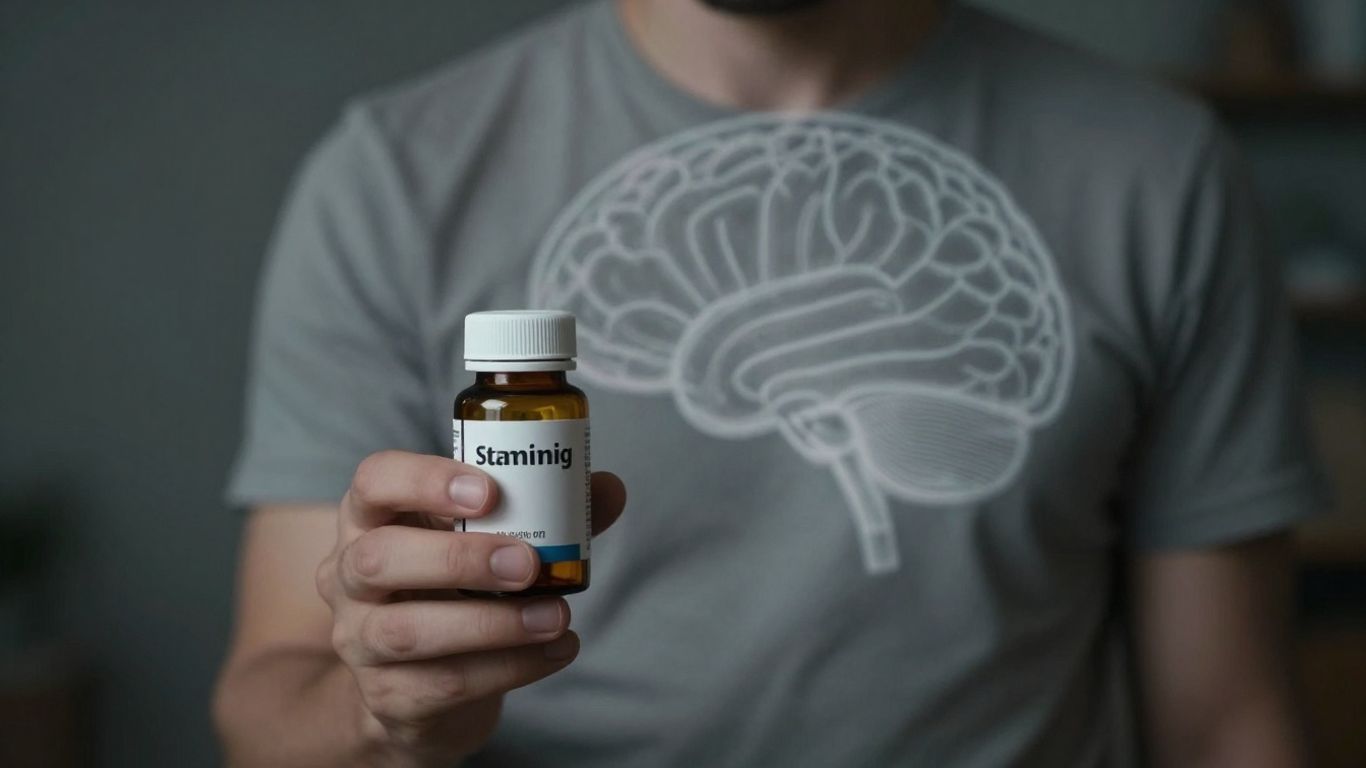
So, how exactly might statins mess with your memory, or at least seem to? It's not a simple answer, and honestly, scientists are still piecing it all together. One idea is that statins could affect brain chemistry. Remember, cholesterol isn't just for your arteries; your brain actually uses a good chunk of the body's cholesterol for important jobs, like building cell membranes and making neurotransmitters. When statins lower cholesterol system-wide, they might also lower it in the brain to a point where it impacts how things function.
How Statins Might Affect Brain Chemistry
Think of your brain cells like tiny communication hubs. They need the right chemical balance to send and receive messages. Statins, by reducing cholesterol, could potentially alter the levels of certain chemicals in the brain. This isn't necessarily a bad thing in all cases, as high cholesterol can also be problematic for the brain. However, a significant drop might throw things off kilter for some individuals. It's a delicate balance, and we're still learning about the specifics of how this plays out.
The Impact of Cholesterol Levels on Cognition
It's a bit of a double-edged sword. On one hand, high cholesterol is a known risk factor for things like stroke and heart disease, which can definitely impact brain health down the line. In fact, managing cholesterol, especially in midlife, is thought to help reduce the risk of dementia later on. But then there's the flip side: what happens when cholesterol gets too low, or when statins rapidly change those levels? Some research suggests that very low cholesterol levels might also be linked to cognitive issues. It's a complex relationship, and what's good for the heart isn't always straightforward for the brain.
Distinguishing Statin Side Effects from Other Conditions
This is a big one. Memory problems can pop up for a million different reasons, especially as we get older. Things like stress, lack of sleep, other medications, or even just the normal aging process can cause forgetfulness or that "brain fog" feeling. It's really important not to jump to conclusions and blame the statins immediately. Doctors often look at whether the memory issues started right after beginning the medication, and if they improve when the statin is stopped or changed. Sometimes, what seems like a statin side effect could actually be an early sign of something else entirely, like Alzheimer's disease, which develops over a long time. It's why talking openly with your doctor is so key.
It's easy to get caught up in the worry when you notice changes in your memory. But remember, your brain is a complex organ, and many factors can influence how it works day-to-day. Pinpointing the exact cause of a memory slip can be tricky, and it often requires a careful look at your overall health picture, not just one medication.
Here's a quick look at common reasons for memory changes:
- Normal Aging: Slight forgetfulness, like misplacing keys, can be part of getting older.
- Stress and Anxiety: High stress levels can really impact focus and memory recall.
- Sleep Deprivation: Not getting enough quality sleep messes with cognitive function.
- Other Medical Conditions: Thyroid issues, vitamin deficiencies, and even infections can affect memory.
- Medication Side Effects: Besides statins, many other drugs can have cognitive side effects.
If you're experiencing memory issues, it's always best to get a professional opinion. Sometimes, a simple blood test can help rule out common issues like vitamin deficiencies or thyroid problems, which can be easily treated. Private blood tests can offer another layer of insight, but they should always be discussed with a healthcare provider to understand what they mean in your specific situation.
Managing Memory Concerns While on Statins

So, you're taking statins and starting to notice some fuzzy thinking or forgetfulness. It's understandable to feel a bit worried, especially when you hear about potential links between these cholesterol-lowering drugs and memory issues. But before you jump to conclusions, let's break down what's going on and what you can do about it.
When to Discuss Memory Problems with Your Doctor
If you're experiencing memory problems, the first and most important step is to talk to your doctor. Don't just brush it off or assume it's a normal part of aging. Sometimes, these issues can be subtle, like forgetting where you put your keys or struggling to recall a word. It's crucial to get a professional opinion to figure out the cause. Your doctor can help determine if the statin is playing a role, or if something else entirely might be going on. They'll consider your overall health, other medications you're taking, and your personal and family medical history. This conversation is key to getting the right advice and treatment plan.
Potential Adjustments to Statin Therapy
If your doctor suspects your statin might be contributing to your memory concerns, they have a few options. They might suggest:
- Stopping the statin therapy temporarily: This can help see if your memory improves once the drug is out of your system. Short-term statin use can sometimes lead to temporary memory issues that resolve after stopping the medication.
- Switching to a different type of statin: Not all statins are the same, and some might be less likely to cause cognitive side effects for you.
- Lowering the dose: Sometimes, a lower dose can still be effective for cholesterol management without the bothersome side effects.
It's important to remember that these decisions should always be made in consultation with your healthcare provider. Stopping medication without guidance can have its own risks (per Mayo Clinic).
Alternative Cholesterol-Lowering Treatments
If statins aren't the right fit for you due to side effects like memory concerns, there are other ways to manage your cholesterol. Your doctor might discuss alternatives such as:
- ACL inhibitors: These drugs work by reducing how much cholesterol your liver produces. Examples include bempedoic acid.
- PCSK9 inhibitors: These are a newer class of drugs that work differently and don't typically cross the blood-brain barrier. They help clear bad cholesterol from your bloodstream.
There are also non-statin medications and lifestyle changes that can help manage cholesterol levels. The goal is to find a treatment plan that effectively lowers your cholesterol while minimizing any unwanted side effects, ensuring you maintain both heart and brain health.
It's easy to get caught up in the worry about statins and memory. However, it's worth remembering that for many people, the benefits of statins in preventing heart attacks and strokes far outweigh the potential for rare side effects. The key is open communication with your doctor to find the best path forward for your individual health needs.
Broader Implications for Brain Health
Understanding the potential relationship between statins, cholesterol, and cognitive function means zooming out to look at how the choices we make for our hearts may shape our brains, too. Let’s break down some of the bigger themes that research and lived experience keep circling back to.
Heart Health and Brain Health Connection
What’s good for the heart tends to be good for the brain, too. Both organs depend on healthy blood vessels, steady oxygen supply, and stable cholesterol (per the CDC). The same risk factors that contribute to heart disease—like high cholesterol, high blood pressure, and diabetes—also seem to raise the odds of memory problems later in life. Here’s why that overlap matters:
- Damage to blood vessels can limit blood flow to brain tissue, sometimes causing silent mini-strokes that slowly chip away at mental abilities.
- Controlling cholesterol and blood pressure can reduce the risk of both heart attack and certain types of dementia.
- Chronic inflammation, often tied to heart disease, may also affect brain cells.
A growing amount of evidence now underlines how managing cardiovascular health is part of protecting the brain, too. For example, statins may benefit brain health by reducing inflammation and improving blood flow, as described in statin research summaries.
The Role of Cholesterol Management in Dementia Prevention
For years, researchers wondered if lowering cholesterol too much might hurt memory. But recent, large reviews show that it’s actually untreated high cholesterol—especially in middle age—that can make dementia more likely down the road. Here’s what’s currently known:
| Cholesterol Situation | Impact on Dementia Risk |
|---|---|
| Untreated high cholesterol | Higher risk |
| Treated with statins | Neutral or possible lower risk |
| Optimal levels in midlife | Lower risk |
- Keeping cholesterol in check, either through lifestyle or medication, appears to help protect brain function as we age.
- Observational studies suggest statin use is linked to a lower risk of dementia, but it’s probably the overall improvement in cardiac health driving this benefit, not statins directly preventing Alzheimer’s.
- Lowering LDL (‘bad’ cholesterol) offers the strongest protection when started before memory problems begin.
Lifestyle Factors Supporting Cognitive Function
Drugs are only part of the picture. Many daily choices matter, too. Small, steady steps may add up to a real difference:
- Regular exercise: Walks, swimming, or anything that gets your heart pumping helps both body and mind.
- Balanced diet: Eating plenty of vegetables, fruits, whole grains, and healthy fats can support stable cholesterol and brain health.
- Sleep: Aiming for adequate, regular sleep gives the brain time to repair and clear out toxins.
- Don’t smoke: Smoking is a major risk for both cardiovascular disease and cognitive decline.
- Social and mental activity: Staying engaged with others, learning new skills, and staying mentally active seem to help delay memory problems.
Some folks find it tough not to worry over every memory lapse, especially if a loved one has been diagnosed with dementia. But remember, even small, sustainable lifestyle changes can add up, and focusing on heart health gives you a two-for-one benefit—protecting both your ticker and your mind.
Everyday actions to maintain heart health—like controlling cholesterol, staying active, and watching blood pressure—are simply part of looking out for your brain. So while the science on statins and memory is still evolving, what’s clear is that treating cardiovascular risks can only help set you up for better cognitive health in the long run.
Conclusion
The link between statins and memory problems is a complex one, with ongoing research trying to untangle the various factors involved. While some people report memory issues while taking statins, robust evidence showing a direct causal link to serious cognitive decline or dementia is lacking. In fact, managing cholesterol, often with statins, is crucial for overall brain health and may even reduce dementia risk. If you experience memory changes, it's important to discuss them with your doctor. They can help determine the cause, which could be unrelated to your statin, and explore the best course of action for your health.
Frequently Asked Questions
What exactly are statins and why do I take them?
Statins are medicines that help lower the amount of 'bad' cholesterol (LDL) in your blood. High cholesterol can lead to serious problems like heart attacks and strokes, so doctors often prescribe statins to help prevent these issues and keep your heart healthy.
Have people really reported memory problems with statins?
Yes, some individuals have reported experiencing things like forgetfulness or a general fogginess in their thinking while taking statins. The FDA has even noted memory loss and confusion as possible, though usually not serious and reversible, side effects (per the FDA).
Does this mean statins cause dementia?
No, the science doesn't really back that up. Most studies haven't found a strong link showing that statins cause dementia. In fact, some research hints that they might even help protect your brain in certain ways, possibly by keeping cholesterol in check.
If it's not the statins, what else could cause memory issues?
Lots of things can affect memory! Things like normal aging, stress, lack of sleep, other medical conditions, or even just being more aware of your memory because you're on a new medication can play a role. It's important to figure out the real reason.
What should I do if I think statins are affecting my memory?
The most important thing is to talk to your doctor right away. Don't stop taking your medication on your own. Your doctor can help figure out if the statin is the cause or if something else is going on, and they can discuss options like changing the dose, switching to a different medication, or exploring other ways to manage your cholesterol.
Is managing cholesterol good for my brain?
Absolutely. What's good for your heart is generally good for your brain too. Keeping your cholesterol levels in a healthy range, which statins help with, is actually thought to be important for reducing the risk of dementia later in life (per the NIH).
Sources
- Centers for Disease Control and Prevention — Healthy Brain Initiative
- U.S. Food and Drug Administration — FDA Expands Advice on Statin Risks
- Mayo Clinic — Statins: Are these cholesterol-lowering drugs right for you?
- MedlinePlus — Statins
- National Library of Medicine (NIH) — Physiology, Cholesterol
- National Institute on Aging (NIH) — What's Known About Risk Factors for Alzheimer's Disease?