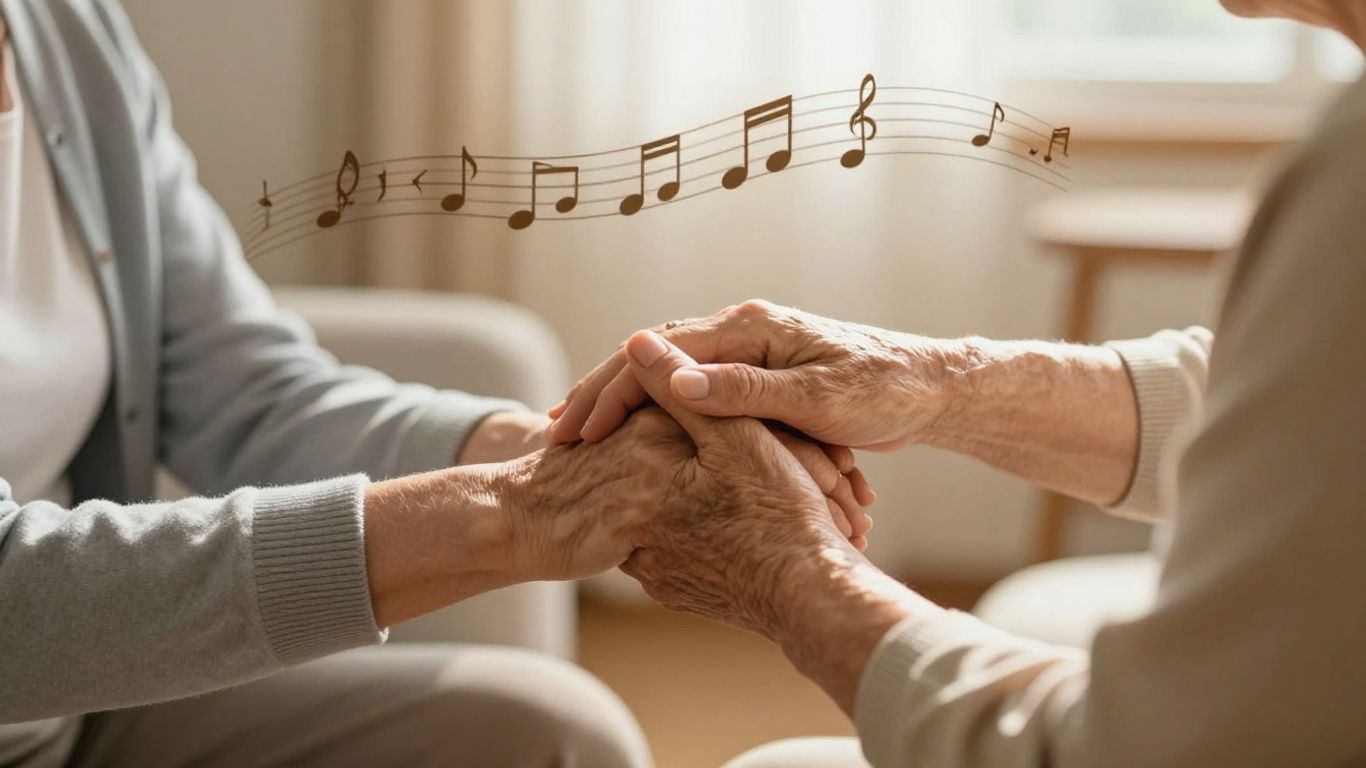
Dementia music therapy is a simple, yet powerful way to support people with dementia. Here are some of the most important things to remember:
Key Takeaways
- Music therapy uses songs and rhythms to help people with dementia remember things and communicate.
- It can lift mood, reduce stress, and make people feel more comfortable.
- Music therapy can help people connect with others, even if they struggle with words.
- Personalized music choices and activities work best for each person’s needs.
- A trained music therapist can create a safe, enjoyable experience that supports both patients and caregivers.
Understanding Dementia Music Therapy
Dementia music therapy isn't just about listening to your favorite songs—it’s a structured practice supported by decades of clinical use. In dementia care, it stands apart from casual music listening because it's designed and delivered by trained professionals to reach key goals: supporting memory, helping people communicate, and improving day-to-day life. Let’s break down what this really means for people living with dementia and their caregivers.
The Role of Music in Cognitive Stimulation
Music reaches parts of the brain that speech and everyday conversation may not touch. For those with dementia, even when words fail, music often taps into memories, emotions, and old routines (per Mayo Clinic). Key ways music supports the brain:
- Activates areas tied to long-term memory, often sparking memories that seemed forgotten
- Encourages movement and rhythm, which can help with coordination and awareness
- Offers structure in a day, making routines feel safer and less confusing
| Cognitive Areas Stimulated | Example Activity |
|---|---|
| Memory recall | Singing old songs |
| Attention and focus | Rhythm exercises |
| Verbal language | Lyric fill-in games |
Music therapy may bridge gaps left by the usual healthcare system when people feel lost about what comes next.
Music Therapy as a Structured Intervention
Music therapy sessions rely on more than just picking pleasant tunes:
- A licensed music therapist creates a plan based on the person’s past (favorite genres, musical ability, family stories)
- Sessions may involve listening, singing, playing instruments, dancing, or creative songwriting
- Activities adjust to the person’s cognitive and physical abilities, building confidence without overwhelming them
This process often includes family and caregivers. Regular sessions set up trust, routine, and a boost in mood. Compared with unplanned activities, it’s far more effective at helping people stay involved even as dementia changes their abilities, which is why so many care teams recommend professional help when music therapy is considered as part of dementia treatment options.
Leveraging Music's Universal Language
Across the world, music cuts through language and cultural barriers. That’s a big deal in dementia care, where verbal communication can get tricky:
- People who struggle to speak can often hum or tap along to rhythms
- Familiar music can prompt singing, even when regular speech is hard
- Musical routines can help people connect through shared experiences, regardless of age or background
For families struggling to connect or for professional caregivers facing burnout, music offers a way to reach people on a level that feels personal and preserved—even when other abilities fade. It brings back a piece of someone’s identity, creates joy in the moment, and in many cases, brings out smiles when little else does.
Enhancing Cognitive Function Through Music
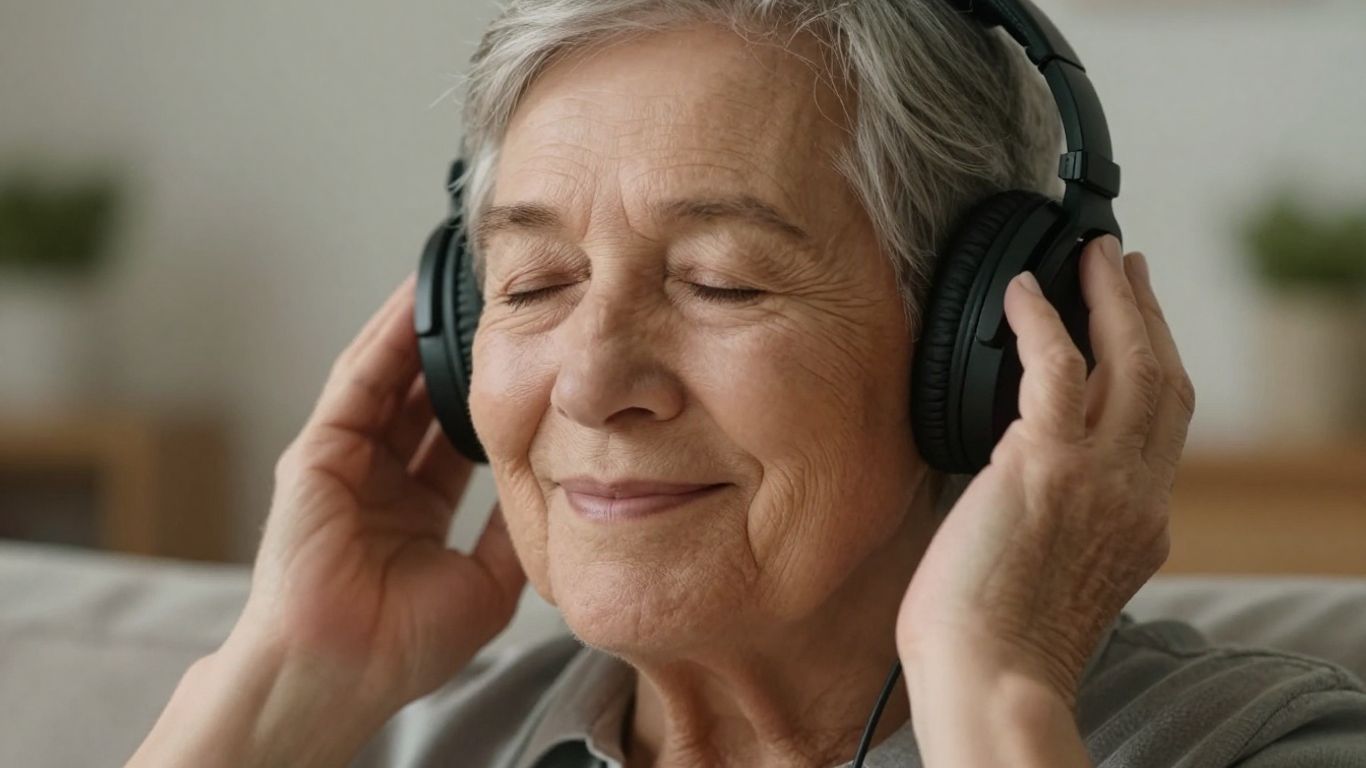
Music therapy isn’t just background noise for people with dementia—there’s real science to the way it helps the brain stay active. Whether it’s a favorite song from childhood or the rhythm of a simple drum, music connects parts of the brain that don’t always work together during regular everyday tasks. This connection keeps cognitive function sharper and gives people more moments of clarity.
Stimulating Memory and Recall
- Listening to familiar music often brings back memories, even for people with advanced dementia (per the National Institute on Aging).
- Songs tied to important life events can spark stories, smiles, or old emotions.
- Sometimes, people can remember song lyrics or melodies better than names or facts, which lets them engage more fully.
Music is one of the few ways some memories come to the surface when nearly everything else seems buried. Watching a loved one light up at the sound of an old song is a moment you don’t forget.
Improving Verbal Communication and Language Skills
- Singing along, even quietly, helps keep language skills active.
- People who struggle to speak might be able to finish well-known lyrics, providing a boost in confidence.
- Group music sessions encourage verbal participation in a relaxed setting—there’s less pressure and the focus stays on fun.
Table: Sample Activities and Language Outcomes
| Music Activity | Communication Benefit |
|---|---|
| Singing familiar songs | Strengthens word recall and speech |
| Rhythmic clapping | Encourages vocal participation |
| Call-and-response | Builds conversational rhythm |
Sometimes, even when words are tough to find, a tune unlocks fragments of speech that connect a person with their caregivers or peers. This is a gentle but important part of brain health, especially when engaging in brain-stimulating activities doesn’t feel doable in other forms.
Maintaining and Improving Cognitive Abilities
- Repetition in music (choruses, beats, rhythmic movement) creates a structure the brain can rely on.
- Following the rhythm or learning new lyrics encourages focus and organization of thought.
- Engaging in regular music sessions can help support existing cognitive abilities and encourage mental focus.
Key points for ongoing cognitive support through music:
- Structured music routines anchor the day and provide predictability
- Variety in music style and activities keeps the experience fresh
- Personal music choices empower individuals and make sessions more meaningful
While music therapy isn’t a cure, it often fills the day with moments of connection and mental clarity that feel out of reach otherwise. It’s a practical tool that fits alongside other everyday habits that boost cognitive function—helping both those with dementia and the people who care for them.
Emotional and Psychological Benefits of Dementia Music Therapy
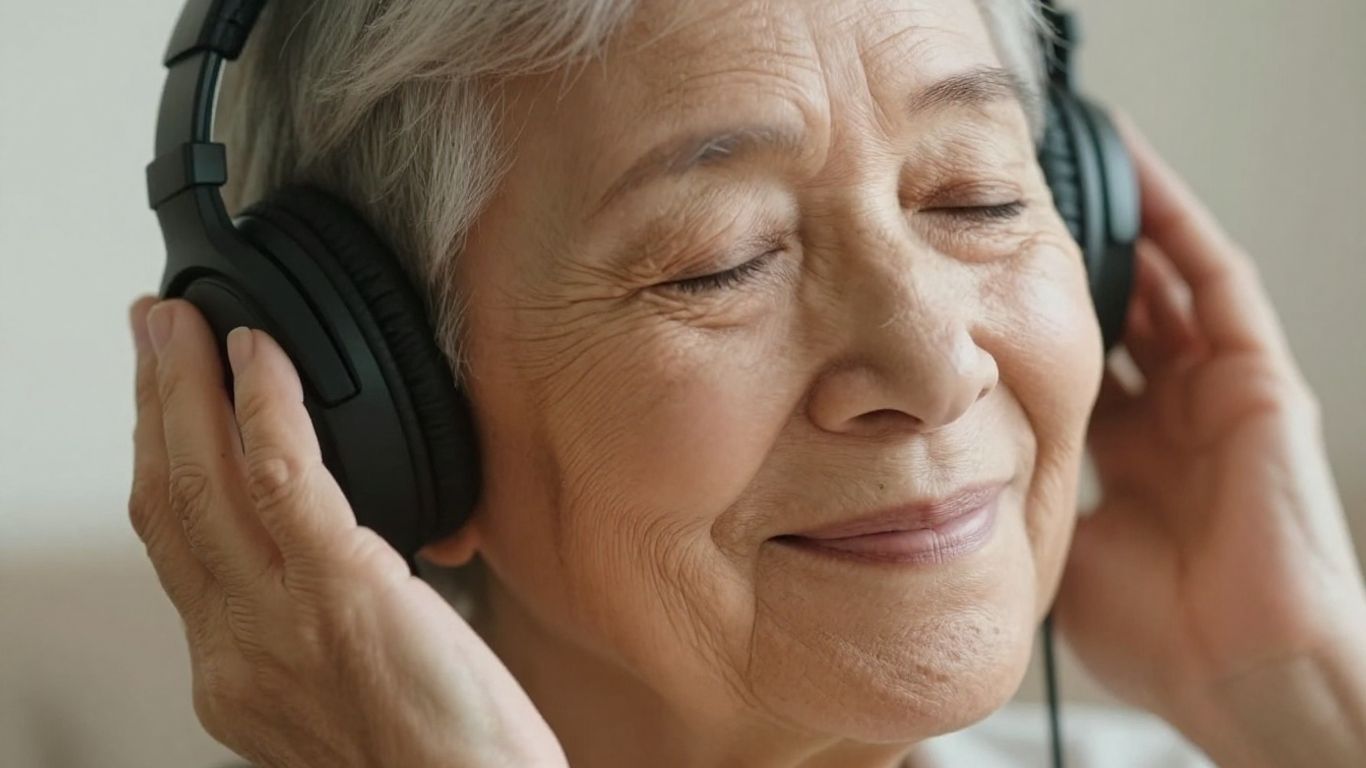
Music has a way of touching us deep down, doesn't it? For folks living with dementia, this connection can be even more profound. Music therapy taps into those feelings, offering a real boost to emotional and psychological well-being. It's not just about listening; it's about feeling.
Elevating Mood and Eliciting Emotional Responses
Sometimes, words just don't come easy for people with dementia. Music can bypass that difficulty, bringing out smiles, laughter, or even tears that express what they can't say. Familiar tunes from their past can unlock a flood of memories and emotions, creating moments of connection and joy. It's like opening a window to a happier time. This can be incredibly uplifting, helping to combat feelings of sadness or isolation that often accompany the condition. It's amazing how a simple melody can shift someone's entire outlook for the day.
Reducing Anxiety and Agitation
Many people with dementia experience anxiety and agitation, which can be really distressing for them and their caregivers. Music therapy has a proven calming effect (per Cleveland Clinic). Listening to soothing music or engaging in rhythmic activities can help lower stress levels. Think of it as a gentle way to soothe a troubled mind. This can lead to fewer restless moments and a more peaceful environment, making daily life a bit easier for everyone involved. It's a non-medicinal approach that can make a significant difference in managing challenging behaviors.
Providing Comfort and Joy
Beyond just mood improvement, music therapy offers a genuine sense of comfort and happiness. It provides a predictable and enjoyable activity in what can sometimes feel like a confusing world. Whether it's singing along to old favorites, playing a simple instrument, or just listening to a beloved piece, these experiences can bring pure delight. These moments of joy are precious, reminding individuals of their identity and their capacity for positive feelings. It's about creating positive experiences that enrich their lives.
Music therapy isn't just a pleasant distraction; it's a powerful tool that addresses the emotional core of a person. It validates their feelings, sparks happy memories, and provides a sense of peace and connection when it's needed most. The simple act of sharing a song can bridge gaps and bring light into challenging days.
Facilitating Communication and Social Interaction
Sometimes, words just don't come easy, especially when dementia starts to affect how we connect with others. That's where music therapy really shines. It offers a different way to reach people, bypassing some of the communication hurdles that can pop up.
Non-Verbal Communication Through Musical Engagement
Music has this amazing ability to get us moving, even when words fail. Think about tapping your foot to a beat, clapping your hands, or even swaying to a melody. These simple actions can become a way for someone with dementia to express themselves without saying a word. It's a way to show engagement, happiness, or even a need for connection. These non-verbal cues are incredibly important for understanding what a person is feeling and experiencing. It allows them to participate and be seen, even if verbal communication is difficult. This kind of interaction can really help combat feelings of isolation.
Creating Shared Experiences and Social Connection
Group music sessions can be a wonderful way to bring people together. When everyone is listening to or making music, there's an instant shared experience. It creates a common ground, making it easier for individuals to connect with each other and with their caregivers. These moments of shared enjoyment can help build a sense of community and belonging, which is so vital for overall well-being. It's not just about the music itself, but about the connection that happens through the music. This can be a really positive step in combating social withdrawal.
Encouraging Verbal Interaction and Vocal Abilities
Even when speaking is a challenge, many people with dementia can still sing (per the National Institute on Aging). Music therapy often involves singing along to familiar songs, which can be a fantastic way to encourage vocalization. It helps keep those vocal muscles active and can even bring back words and phrases that might otherwise be forgotten. This can be a stepping stone to more verbal interaction, boosting confidence and making communication feel more accessible. It's a gentle way to keep language skills sharp and present.
Music therapy provides a unique avenue for individuals with dementia to express themselves and connect with others, even when verbal communication is limited. It taps into preserved abilities and offers a pathway to social engagement that can be deeply fulfilling.
Implementing Effective Dementia Music Therapy
Personalized Assessment and Tailored Treatment Plans
Every effective dementia music therapy program begins with a truly individualized assessment. Therapists get to know the person's cognitive status, emotional well-being, physical needs, and especially their personal music history. That might mean finding out which artists shaped their youth, what songs remind them of family, or which tunes still spark a smile. This personal information becomes the backbone of a therapy plan, zeroing in on goals like memory improvement, soothing anxiety, or sparking more engagement. Therapists often use simple tools—sometimes a short interview or a family questionnaire—to help shape their approach. Collecting all these details ensures each session fits the individual's needs, not just a generic set of activities.
Example of Assessment Factors
| Area | What’s Considered |
|---|---|
| Cognitive Ability | Memory, attention, orientation |
| Emotional State | Mood swings, anxiety, depression |
| Physical Health | Mobility, coordination, hearing |
| Music Preferences | Favorite genres/songs, music memory |
Personal stories, even from a loved one, can guide music choices, making sessions more meaningful right from the first note.
Engaging Music Activities for Diverse Needs
Activities aren't just about listening to music—they’re selected to meet individual challenges. Some folks respond best to familiar tunes played softly in the background, while others get much more out of singing along, moving rhythmically, or even playing instruments. Here are a few foundational activities:
- Playing well-loved songs from the person’s past for memory recall (this can be powerful for connecting with family and boosting engagement, see music interventions that help reconnect families).
- Group singing sessions, which encourage both social interaction and speech.
- Simple percussion instruments, like hand drums or shakers, used for motor coordination and non-verbal expression.
- Guided movement or gentle dance for those who can participate, supporting both mood and physical function.
- Songwriting or lyric discussion exercises, for emotional expression and keeping cognitive skills active.
It’s not about being a “good singer” or knowing the right rhythm—what matters is participation and the feelings music stirs up.
The Role of Licensed Music Therapists
A qualified, licensed music therapist is key—they’re trained to spot subtle emotional and cognitive changes and adapt in the moment. Their skills allow them to switch tracks if a song unexpectedly causes distress, or to shift from group to one-on-one activities when needed. Here’s what sets a professional music therapist apart:
- Conducting thorough, ongoing assessments.
- Creating and adjusting personalized therapy plans over time.
- Coordinating with caregivers, families, and clinical staff as a regular part of care.
An experienced therapist can turn even a quiet song into a shared moment and, with the right touch, change the whole atmosphere for someone living with dementia.
One more note: Music therapy works best when it’s flexible. Needs change over time, and the therapist’s job is to move with those changes, bringing creativity and patience to every session.
The Broader Impact of Music Therapy on Well-being
Reducing Stress and Promoting Relaxation
Music therapy has a pretty amazing way of calming things down, not just for the person with dementia, but for everyone around them. When familiar tunes fill the air, it can really help lower stress levels. Think about it – a soothing melody can slow down a racing heart and ease tense muscles. It's like a gentle wave washing over the mind, making things feel a lot more peaceful. This isn't just about feeling good in the moment; regular engagement with music can actually help build a stronger sense of calm over time.
Improving Quality of Life
Beyond just managing symptoms, music therapy genuinely makes life better for individuals living with dementia. It brings back moments of connection and joy that might have seemed lost. When someone can tap their foot to a beat, sing along to a song from their youth, or even just hum a familiar tune, it’s a sign that they are present and engaged. These experiences, even small ones, add up to a richer, more meaningful existence. It’s about finding those sparks of happiness and connection, day by day. For families, seeing their loved one light up during a music session can be incredibly rewarding, offering a different kind of connection than they might usually experience.
Supporting Both Patients and Caregivers
It's not just the person with dementia who benefits. Music therapy can be a real lifeline for caregivers too. Dealing with dementia is tough, and it often comes with a lot of stress and emotional strain. Music therapy sessions can provide a much-needed break, a moment of shared joy, and a way to connect with the person they care for on a different level (per the National Institute on Aging). Sometimes, just being in the same room while music is playing can create a shared positive experience. This can help reduce feelings of isolation and burnout that are so common among caregivers. This kind of support is vital for maintaining caregiver well-being and preventing exhaustion.
It's fascinating how music can tap into parts of the brain that are still active, even when other cognitive functions are declining. This ability to connect and evoke emotion is what makes it such a powerful tool in dementia care. The impact goes beyond just the individual, touching the lives of families and the professionals who provide care.
Conclusion
Dementia music therapy is more than just playing songs. It’s a thoughtful approach that taps into the power of music to support memory, mood, and social connection for people living with dementia. From sparking old memories to helping folks feel less anxious, music therapy brings real comfort and joy. It also gives families and caregivers new ways to connect. While it doesn’t cure dementia, music therapy can make each day a little brighter and more meaningful for everyone involved.
Frequently Asked Questions
What is dementia music therapy?
It’s a special kind of therapy where trained professionals use music—like singing, playing instruments, or listening to songs—to help people with dementia feel better and remember things.
How does music help people with dementia remember things?
Music can bring back memories because the parts of the brain that respond to music are often less affected by dementia. Hearing favorite songs can help people remember events or feelings from the past.
Can music therapy help if someone can’t speak much anymore?
Yes! Even if a person has trouble talking, they might still be able to hum, clap, or move to music. Sometimes, people can sing words they can’t say in regular conversation.
Is music therapy safe for everyone with dementia?
Most people with dementia can enjoy music therapy, but it’s important to choose music that is calming and familiar. Loud or unfamiliar music might be confusing, so a therapist will pick songs that fit each person.
Do you need a professional music therapist, or can families do it at home?
Families can play music at home, and it can help. But a trained music therapist knows how to use music in special ways to meet each person’s needs and handle any challenges that come up.
How often should someone with dementia have music therapy?
There’s no one right answer. Some people enjoy short daily sessions, while others do better with a couple of sessions each week. It depends on the person and what helps them feel good.
Sources
- Mayo Clinic — Music and Alzheimer's: Can it help?
- National Institute on Aging — How Music Can Help People With Alzheimer's Disease
- Cleveland Clinic — How Music Therapy Can Help People With Dementia
- National Institutes of Health — Music Interventions to Reconnect Family Caregivers and People Living With Dementia: A Scoping Review