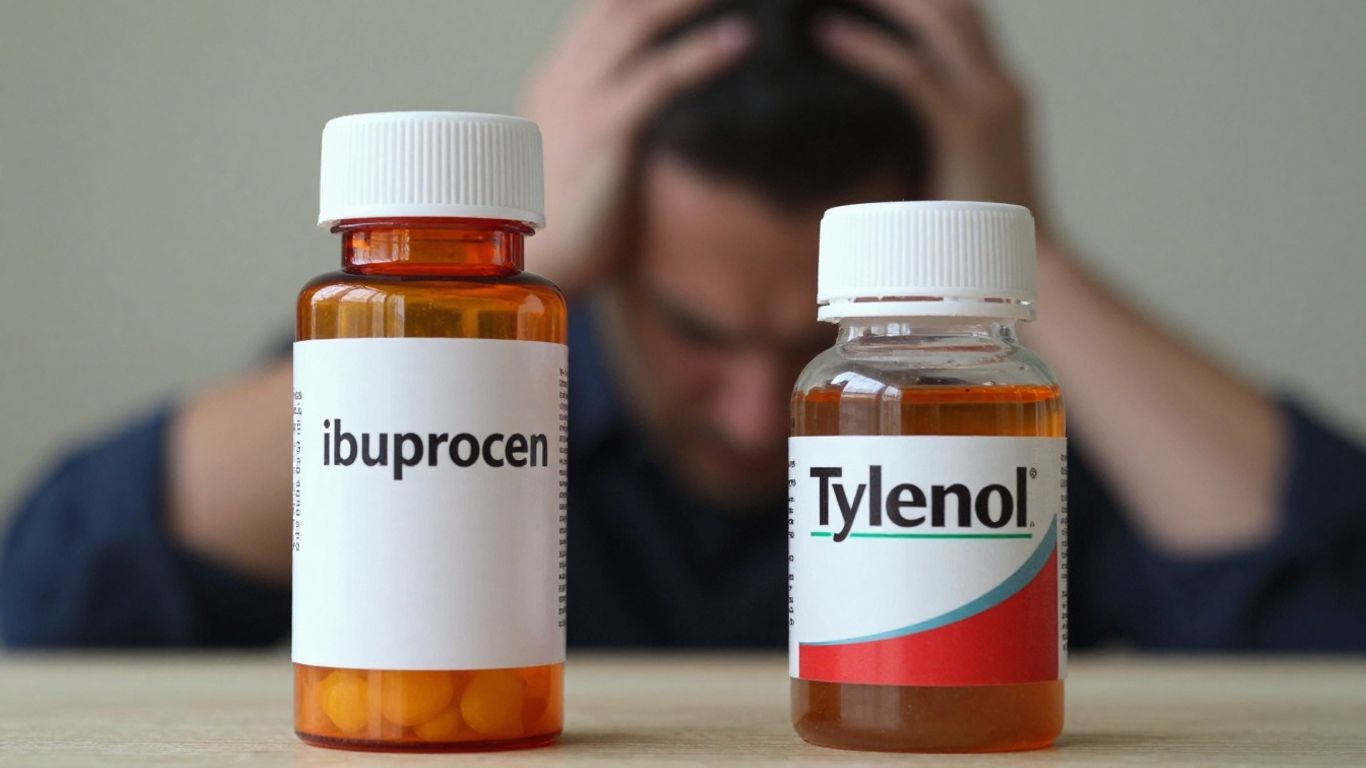
Ibuprofen or Tylenol for Concussion: Which Pain Reliever Aids Recovery Best?
If you’re wondering about which pain reliever is best after a concussion, here’s what you need to know. Picking between ibuprofen or Tylenol for concussion recovery depends on timing and safety.
Key Takeaways
- Tylenol (acetaminophen) is usually safer right after a concussion because it doesn’t thin the blood (per the Mayo Clinic).
- NSAIDs like ibuprofen should be avoided in the first 48 hours after a concussion due to bleeding risks (per the CDC).
- Once doctors rule out bleeding, both Tylenol and ibuprofen can be used, but don’t overdo it with either.
- Starting pain medication sooner after a concussion may help speed up recovery, no matter which type you use.
- Pain relievers help with symptoms, but rest, hydration, and seeing a doctor are just as important.
Understanding Pain Relievers and Concussion Recovery
When you get a concussion, your brain has gone through some trauma. It's not just a bump on the head; it's a disruption of how your brain cells talk to each other (per MedlinePlus). This can lead to a whole bunch of symptoms, and one of the most common is a headache. So, naturally, people want to know what they can take to feel better. That's where over-the-counter pain relievers like ibuprofen and acetaminophen come into play.
The Role of Over-the-Counter Pain Relief
These common medications are often the first line of defense for managing pain after an injury. They're easily accessible and most people have them in their medicine cabinets. For a simple headache, they're usually pretty effective. But when it comes to a concussion, things get a bit more complicated. The goal isn't just to mask the pain; it's to manage symptoms in a way that supports healing.
Acetaminophen vs. NSAIDs: A Crucial Distinction
It's really important to know the difference between the two main types of pain relievers you'll find: acetaminophen (like Tylenol) and NSAIDs (Non-Steroidal Anti-Inflammatory Drugs), which include ibuprofen (Advil, Motrin) and naproxen (Aleve). They work differently and can have different effects, especially after a head injury.
- Acetaminophen (Tylenol): This is generally considered a safer option in the immediate aftermath of a concussion. It works on pain signals in the brain but doesn't typically affect blood clotting.
- NSAIDs (Ibuprofen, Naproxen, Aspirin): These medications reduce inflammation and pain. However, they can also thin the blood, which is a concern right after a head injury because there's a small risk of bleeding in the brain. Doctors often advise caution with NSAIDs in the first 24-48 hours post-concussion until bleeding is ruled out (per the CDC).
Potential Risks Associated with NSAIDs Post-Concussion
While NSAIDs can be helpful for inflammation, their blood-thinning properties are a key consideration. If there's any internal bleeding, NSAIDs could potentially make it worse. This is why many healthcare providers recommend avoiding them for at least the first 48 hours after a suspected concussion, or until imaging confirms there's no bleeding. Beyond that initial period, their use might be considered, but it's always best to discuss with a doctor. Some studies suggest that NSAIDs might not be the best choice for post-concussion headaches due to potential side effects like stomach irritation or increased bleeding risk, even after the initial danger has passed. It's always a good idea to talk to a doctor about the best pain relief for your specific situation, especially if you're looking for expert diagnosis and treatment plans.
The decision to use any pain reliever after a concussion isn't just about feeling better; it's about supporting your brain's recovery process. Understanding how different medications work and their potential impacts is key to making informed choices.
Ibuprofen or Tylenol for Concussion: Early Considerations
When you first suspect a concussion, managing the immediate symptoms, especially headaches, is a top priority. It's a tricky time because while you want relief, you also need to be really careful about what you put into your body. The main concern right off the bat is the possibility of bleeding in the brain, which is rare but serious. Because of this, doctors often have specific advice for pain relief in those first crucial hours and days.
Initial Recommendations for Headache Management
For that initial throbbing headache that often comes with a concussion, acetaminophen, commonly known as Tylenol, is usually the go-to. It's generally considered safer in the early stages because it doesn't have the same blood-thinning effects as NSAIDs (per the Mayo Clinic). Think of it as a gentler option when your brain is already dealing with a lot. It's important to follow the dosage instructions carefully, though. You don't want to overdo it, even with something seemingly mild.
- Acetaminophen (Tylenol): Often recommended first for headaches.
- Avoid NSAIDs: Ibuprofen (Advil, Motrin) and naproxen (Aleve) are typically advised against initially.
- Hydration: Drinking plenty of water can also help manage headaches.
The immediate aftermath of a head injury requires a cautious approach to pain management. Prioritizing safety means understanding the potential risks associated with different types of over-the-counter medications.
The 48-Hour Window: Why Timing Matters
There's a reason why doctors emphasize the first 48 hours post-concussion. During this period, the risk of complications like brain bleeds is a primary concern. Medications that can affect blood clotting, like ibuprofen and aspirin, are often put on hold. This isn't just a suggestion; it's a safety measure to prevent potentially worsening any internal bleeding that might have occurred. After this initial window, and once a serious bleed has been ruled out by medical professionals, the conversation about pain relievers can broaden. It's all about giving your brain the best possible environment to start healing without added risks. For more on initial concussion care, check out early concussion management.
When to Seek Immediate Medical Attention
While we're talking about pain relievers, it's super important to know when to ditch the self-care and get professional help fast. If your headache gets significantly worse, if you experience confusion, slurred speech, persistent vomiting, or any new neurological symptoms like numbness or weakness, don't wait (per the CDC). These could be signs of something more serious, like a brain bleed, and require immediate emergency care. It's always better to be safe than sorry when it comes to head injuries.
Navigating Pain Management After Ruling Out Bleeding
Okay, so you've seen a doctor, and thankfully, they've confirmed there's no bleeding in your brain. That's a huge relief, right? Now we can actually start thinking about managing that headache or any other discomfort you're feeling. It's like the first hurdle is cleared, and now we can focus on the recovery part.
Reintroducing Over-the-Counter Medications
Once the all-clear is given regarding any potential brain bleed, it's generally okay to start thinking about over-the-counter pain relievers again. However, it's still a good idea to be mindful of what you're taking. While acetaminophen (like Tylenol) is often a go-to, some people find that NSAIDs (non-steroidal anti-inflammatory drugs) like ibuprofen or naproxen can be more effective for certain types of pain. Just remember, even though they're available without a prescription, they aren't without potential side effects, especially when your brain is still healing.
- Acetaminophen (Tylenol): Generally considered a safer first choice post-concussion, as it doesn't typically affect blood clotting.
- NSAIDs (Ibuprofen, Naproxen): Can be effective for inflammation and pain, but use with caution and awareness of potential stomach irritation or increased bleeding risk, even if a bleed has been ruled out.
- Aspirin: Usually avoided due to its blood-thinning properties.
Long-Term Considerations for NSAID Use
While NSAIDs might offer relief, it's worth knowing that long-term or even short-term heavy use can sometimes lead to stomach issues, like gastritis or even bleeding in the digestive tract. There's also ongoing discussion about their impact on the cardiovascular system. For concussion recovery, the focus is on healing, and it's generally recommended to use NSAIDs judiciously. If you find yourself needing them regularly, it's definitely a conversation to have with your doctor. They might suggest alternatives or monitor you more closely. It's all about finding that balance between managing symptoms and not creating new problems.
It's important to remember that medications help manage symptoms, but they don't actually heal the concussion itself. The brain needs time and proper care to recover from the trauma it experienced.
The Impact of Pain Reliever Timing on Recovery Speed
This is where things get interesting. Some research suggests that when you take pain relievers might actually play a role in how quickly you bounce back. Studies have indicated that individuals who took pain medication earlier in their recovery process tended to return to their normal activities faster than those who waited. For example, starting pain relievers on the first day after an injury seemed to lead to a quicker symptom resolution compared to waiting five days or more. This doesn't mean you should just pop pills the second you feel a twinge, but it does highlight that timely symptom management, once cleared by a doctor, could be beneficial. It's a complex area, and more research is always ongoing, but it's something to keep in mind as you work through your recovery plan. If you're looking for guidance on returning to activities, understanding specific return-to-activity protocols can be really helpful.
Evidence on Pain Relievers and Concussion Recovery Times
So, what does the science say about popping a pain reliever after a concussion? It's a question many people have when they're feeling rough and just want to get back to normal. Early research suggests there might be a link between taking over-the-counter pain meds and a quicker bounce-back.
Study Findings on Faster Return to Activities
Some studies have looked at athletes and military cadets who had concussions. These studies suggested that people who took pain relievers were more likely to be cleared for full activity sooner than those who didn't take any medication. It appears that getting ahead of the pain may help speed things up.
Symptom Resolution and Pain Severity
It's not just about getting back to sports or work; it's also about feeling better. The same studies indicated that people taking pain relievers also tended to have fewer symptoms overall and reported less severe headaches. This suggests that managing pain effectively could play a role in how quickly you feel you are recovering.
The Significance of Early Intervention with Pain Medication
Timing seems to be a big deal here. The research pointed out that the earlier someone started taking pain relievers after their injury, the faster they seemed to recover. For example, some studies found that those who began medication on the first day of their injury had a faster resolution of symptoms compared to those who waited several days. This highlights the potential benefit of addressing pain early on. It's important to note that these are preliminary findings, and more controlled studies are needed to confirm these associations. However, these early results offer a glimpse into potential strategies for concussion recovery.
While these findings are promising, it's crucial to remember that pain relievers don't treat the concussion itself. They primarily help manage symptoms like headaches. Always consult with a healthcare professional for personalized advice regarding concussion management and medication use. They can help you weigh the potential benefits against any risks based on your specific situation.
It's also worth mentioning that the type of pain reliever didn't seem to make a difference in how quickly people recovered in these particular studies. This suggests that the act of managing pain, rather than a specific drug, might be the key factor. If you're wondering about specific tests that might offer more insight into brain health after an impact, you might discuss options like the Neurofilament Light Chain (NfL) blood test with your doctor, though it's not a diagnostic tool for concussions themselves.
Beyond Pain Relief: Holistic Concussion Management
Okay, so we've talked a lot about pain relievers, but honestly, a concussion is way more than just a headache. It's a brain injury, and treating it right means looking at the whole picture, not just popping a pill. Think of it like this: if you sprain your ankle, you don't just ice it and hope for the best, right? You rest it, maybe do some gentle stretches later, and make sure you're not putting too much pressure on it too soon. A concussion is kind of similar, but for your brain.
The Importance of Rest and Hydration
When you first get a concussion, your brain needs a break. This doesn't just mean lying in a dark room 24/7, though initial rest is super important (per the CDC). It means stepping back from things that make your symptoms worse, like bright lights, loud noises, or too much screen time. Your brain is working overtime to heal, and it needs that energy. Hydration is also a big one. Seriously, drink your water. Dehydration can mess with your focus and make headaches worse, which is the last thing you need when you're already dealing with a concussion. It's a simple step, but it really helps your body function better as it recovers.
Cognitive and Physical Activity Guidelines
This is where things get a bit more nuanced. After the initial rest period, you can't just jump back into everything you were doing before. There are guidelines for a reason. For cognitive activities, it's about gradually reintroducing things like reading, schoolwork, or even just conversations. If you start feeling worse, you back off a bit. It’s a push-and-pull kind of thing. The same goes for physical activity. You don't want to go from zero to a full-contact sport overnight. Doctors often recommend a step-by-step approach, starting with light aerobic exercise and slowly increasing the intensity as tolerated (per the CDC). This helps your brain and body get used to activity again without causing a setback. It’s all about listening to your body and not pushing too hard, too fast. For more on this, check out concussion treatment models.
When to Consult a Concussion Specialist
Sometimes, you just need a pro. If your symptoms aren't getting better after a few weeks, or if you're experiencing really persistent issues like brain fog or mood changes, it's probably time to see someone who specializes in concussions. These folks know the ins and outs of recovery and can help tailor a plan specifically for you. They can also help rule out other potential problems that might be going on. Don't hesitate to reach out if you feel stuck or if your symptoms are really impacting your daily life. It's better to get expert advice than to struggle on your own.
Future Directions in Concussion Symptom Treatment
So, what's next in managing concussion symptoms? It's a field that's always evolving, and researchers are looking at a few different avenues. We're not just talking about popping more pills, though. There's a lot of interest in new medications, but also in things like supplements and even non-drug approaches.
Emerging Medications in Clinical Trials
Right now, there are a couple of interesting medications being studied. One is a combination of CBD and another compound, being looked at for both immediate and long-term concussion symptoms. Another drug, based on a human hormone called ghrelin, is in trials to help fix the brain's energy problems after a concussion. The idea is to stop those longer-term issues before they really start. It's pretty cutting-edge stuff, aiming to get to the root of the metabolic problems that can happen after a head injury.
The Role of Supplements in Recovery
Beyond prescription drugs, supplements are also getting attention. Magnesium oxide, for example, has shown some promise in reducing concussion symptoms, though more research is needed, especially in adults. Riboflavin, or Vitamin B2, is another one being looked at for migraines and even improving how the brain works after an injury. And then there's melatonin, which our bodies make naturally but can also be taken as a supplement. It might help with inflammation and stress in the brain after a traumatic brain injury. It's super important to talk to your doctor before trying any supplements, though, because they can interact with other medications you might be taking.
Non-Pharmacological Treatment Approaches
It's not all about medication, though. Physical therapy is a big one, focusing on things like neck exercises and posture to help with headaches. Some research is even looking into blood tests that measure nerve cell injury, like NfL tests, which could give doctors more information to guide treatment conversations. These tests aren't a diagnosis themselves, but they can be a useful data point to bring to your doctor. For those dealing with lingering symptoms, getting objective biomarker information might be a good next step before or alongside other tests like an MRI. It's all about finding what works best for each individual's recovery journey. Engaging in early light to moderate exercise after a concussion is also proving beneficial for recovery speed.
Sources
- Centers for Disease Control and Prevention — Concussion Danger Signs and When to Seek Medical Attention
- Centers for Disease Control and Prevention — Concussion Recovery: Rest and Return to Regular Activities
- Mayo Clinic — Concussion: Diagnosis & Treatment
- MedlinePlus — Concussion
Conclusion
So, when it comes to "ibuprofen or Tylenol for concussion," the answer isn’t totally black and white. Tylenol (acetaminophen) is usually the go-to in the first couple of days, since it doesn’t thin your blood and is safer if there’s any chance of bleeding in the brain. Ibuprofen and other NSAIDs are best avoided right after a concussion but may be okay later on, once a doctor rules out bleeding. Some studies show that taking pain relievers early on can help people get back to normal activities faster, but the type of pain reliever doesn’t seem to matter as much as the timing. And remember, pain relievers only help with symptoms, not the concussion itself. Always check with your doctor before starting anything new, and don’t ignore symptoms that are getting worse.
Frequently Asked Questions
Can I take ibuprofen right after a concussion?
No, it’s best to avoid ibuprofen or other NSAIDs in the first 48 hours after a concussion because they can make bleeding in the brain worse if it’s there.
Is Tylenol safe for concussion headaches?
Yes, Tylenol (acetaminophen) is usually safe for headaches after a concussion, especially in the first couple of days.
How long should I wait before taking ibuprofen after a concussion?
Wait at least 48 hours and only take ibuprofen if a doctor says it’s okay and there’s no bleeding in your brain.
Do pain relievers help the concussion heal faster?
They can help with the pain and may help people return to normal activities a bit sooner, but they don’t heal the concussion itself.
What else should I do to recover from a concussion?
Get lots of rest, drink water, avoid screens and sports, and follow your doctor’s advice. Don’t rush back to normal life too soon.
When should I get medical help after a concussion?
If you have vomiting, trouble waking up, confusion, seizures, or a really bad headache, see a doctor right away.