
Here are the most important points to remember about taking levothyroxine while pregnant:
Key Takeaways
- Your body needs more thyroid hormone during pregnancy, so your levothyroxine dose will likely need to increase (per ACOG).
- It's important to talk to your doctor *before* getting pregnant to make sure your thyroid levels are just right.
- Regular blood tests are needed during pregnancy to check your thyroid levels and adjust your medication.
- Properly managing your thyroid can help your baby's brain and body develop well (per the NIH).
- After your baby is born, your levothyroxine dose will probably need to be changed back to what it was before pregnancy (per the Merck Manuals).
Understanding Levothyroxine in Pregnancy
Why Levothyroxine is Crucial During Gestation
So, you're pregnant, and you've been taking levothyroxine. It's totally normal to wonder why this medication is so important, especially now. Think of your thyroid as the body's thermostat, regulating metabolism. During pregnancy, your body's needs change quite a bit, and your thyroid has to work harder. This increased demand starts really early, sometimes even before you know you're pregnant.
Your growing baby relies on your thyroid hormones for development, particularly for brain and nervous system growth (per the NIH). If your thyroid isn't producing enough hormones, your baby might not get what it needs. This is where levothyroxine comes in. It's a synthetic version of the thyroid hormone your body makes, and it helps fill that gap, making sure both you and your baby have the right levels.
Thyroid Hormone Needs in Early Pregnancy
It might surprise you, but your body's need for thyroid hormone increases by about 20-40% very early in pregnancy. This boost is needed to support both your own body and the developing fetus. The placenta starts using your thyroid hormones, and your blood volume also increases, which dilutes hormone levels (per ACOG). If you have hypothyroidism, your thyroid might not be able to keep up with this surge on its own. This is why it's so important to get your thyroid levels checked regularly, especially if you're planning a pregnancy or just found out you're pregnant. Getting prompt thyroid function tests is key.
Risks of Suboptimal Thyroid Function
When thyroid hormone levels are too low during pregnancy, it's called hypothyroidism. If it's not managed properly, it can lead to some complications. For the mother, there's a higher chance of issues like preeclampsia (high blood pressure during pregnancy) and anemia (per the NIH). For the baby, there's an increased risk of preterm birth, low birth weight, and developmental problems. The baby's brain development is especially sensitive to thyroid hormone levels in the first trimester (per ACOG).
Here's a quick look at what can happen:
- For Mom:
- Preeclampsia
- Anemia
- Postpartum hemorrhage
- For Baby:
- Preterm birth
- Low birth weight
- Neurodevelopmental delays
- Miscarriage (in severe cases)
It's really about maintaining a balance. Too much or too little thyroid hormone can cause problems, but with the right medication and monitoring, most women with hypothyroidism have healthy pregnancies and healthy babies. The goal is to keep your thyroid-stimulating hormone (TSH) levels within a specific range recommended for pregnancy.
Optimizing Levothyroxine Before Conception

Getting pregnant is a big step, and if you have a thyroid condition, getting your levothyroxine dose just right before you even start trying is super important. It sets the stage for a healthier pregnancy for both you and your baby. Think of it as fine-tuning your body's engine before a long road trip.
The Importance of Preconception Counseling
Talking with your doctor before you conceive is really the first step. They can help you understand how your thyroid health impacts pregnancy and what you need to do to prepare. It's not just about taking your medication; it's about making sure it's working optimally for you. This conversation can also cover other health factors that might affect your pregnancy, like diet and lifestyle. Getting this advice early can make a big difference.
- Review your current levothyroxine dosage: Your doctor will check if your current dose is appropriate for someone planning a pregnancy.
- Discuss potential dose adjustments: You might need to increase your dose even before you get pregnant.
- Understand thyroid hormone needs: Learn why thyroid hormones are so vital in early pregnancy, even before you might know you're pregnant.
- Address any other health concerns: This is a good time to talk about supplements, existing conditions, or medications.
Preparing your body for pregnancy involves more than just stopping birth control. For those with hypothyroidism, optimizing thyroid hormone levels before conception is a key part of ensuring a healthy start for your baby. This proactive approach can help prevent complications down the line.
Achieving Optimal TSH Levels Pre-Pregnancy
So, what's the goal here? For women with hypothyroidism who are planning a pregnancy, the aim is usually to get your Thyroid Stimulating Hormone (TSH) levels below a certain point before conception. Current guidelines often suggest a TSH level of less than 2.5 mU/L (per the NIH). Why this specific number? Because even slightly elevated TSH levels before pregnancy have been linked to a higher risk of miscarriage and other issues. Getting your TSH in the target range means your thyroid is working well enough to support an early pregnancy.
| Thyroid Function Test | Target Range Before Conception |
|---|---|
| TSH | < 2.5 mU/L |
| Free T4 | Within normal limits |
Adjusting Medication for Planned Pregnancies
If you're planning to get pregnant, your doctor will likely want to adjust your levothyroxine dose. Often, this means increasing it. A common recommendation is to boost your daily dose by about 25-50 mcg, depending on your current dosage. It's not a one-size-fits-all approach, so your doctor will tailor this to your specific needs. It's also really important to know how to take your medication correctly – usually on an empty stomach, at least 30 minutes before eating, and separate from other medications or supplements like iron or calcium, which can interfere with absorption (per MedlinePlus). This careful attention to detail can be found in resources.
- Increase dose: Typically, a 25-50 mcg increase in daily levothyroxine is recommended.
- Timing is key: Take your medication on an empty stomach, ideally first thing in the morning.
- Avoid interactions: Separate levothyroxine from iron, calcium, and certain other medications by at least 4 hours.
- Follow-up testing: You'll likely need follow-up blood tests to confirm your TSH levels are in the target range after the dose adjustment.
Managing Levothyroxine Once Pregnant
So, you've found out you're pregnant, and you're taking levothyroxine. That's a big step, and it's totally normal to have questions about what happens next with your medication. The good news is that with a little attention, managing your thyroid levels during pregnancy is very doable.
Immediate Dose Adjustments Upon Conception
As soon as you confirm your pregnancy, it's time to think about your levothyroxine dose. Your body's need for thyroid hormone actually goes up quite a bit early in pregnancy, even before you might feel any different. It's generally recommended to increase your daily levothyroxine dose right away (per ACOG). A common guideline is to add about 25-50 mcg per day, depending on your current dose. Some doctors suggest doubling your dose on two days of the week instead. The key is to act fast, don't wait for your first prenatal appointment to make this change. Getting this adjustment right early on is super important for your baby's development.
Regular Thyroid Function Monitoring
Once you've adjusted your dose, you'll need to keep a close eye on your thyroid levels. This means regular blood tests. You'll likely have your thyroid-stimulating hormone (TSH) levels checked pretty frequently, especially in the first and second trimesters. Think every 4 to 6 weeks (per the Merck Manuals). This helps your doctor make sure your medication is still at the right level as your pregnancy progresses.
Here's a general idea of how often you might be tested:
- First Trimester: Every 4-6 weeks.
- Second Trimester: Around 20 weeks and again at 24-28 weeks.
- Third Trimester: Around 32-34 weeks.
These are just general guidelines, and your doctor will tailor the schedule based on your individual situation and previous test results. It's all about keeping those TSH levels in the target range.
Understanding TSH Goals During Pregnancy
What's considered a
Navigating Potential Challenges
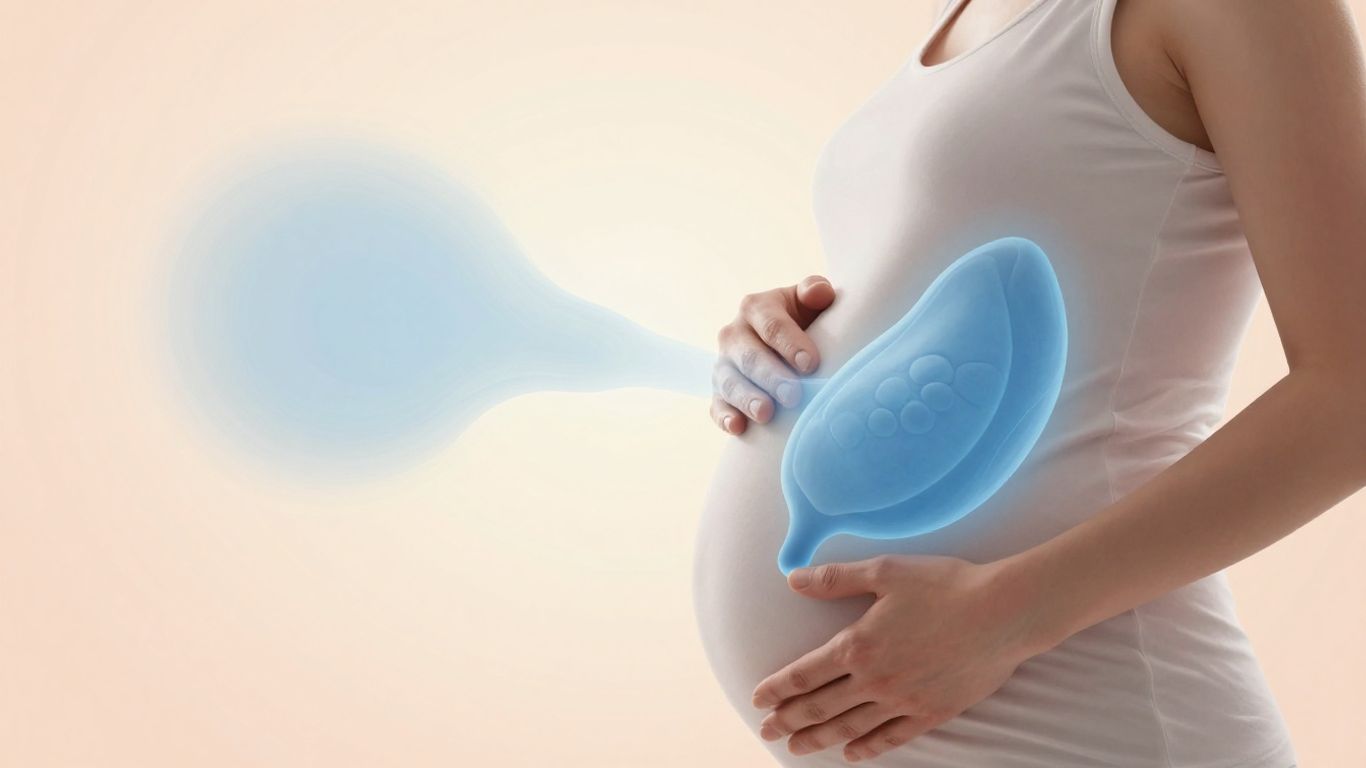
Pregnancy changes everything—including how well your body uses levothyroxine. While on the surface, it's just taking a pill every day, in reality, lots of small things can throw off your thyroid levels. If you’re pregnant and taking levothyroxine, this is the part where details matter. From the medication’s absorption to remembering doses, and even figuring out when you need a specialist, let’s talk about the hurdles that can pop up and what you can do about them.
Factors Affecting Thyroid Hormone Absorption
Even the best medication won’t work if your body can’t absorb it properly. During pregnancy, lots of things can impact how much levothyroxine your body actually absorbs. Here’s what can interfere:
- Timing with Meals: Taking levothyroxine with food can slow absorption. Best practice: take it with water, on an empty stomach—ideally first thing in the morning.
- Other Medications or Supplements: Iron, calcium, and even prenatal vitamins can reduce absorption. Try to space these at least 4 hours from your thyroid pill (per MedlinePlus).
- Digestive Changes: Pregnancy can mess with your digestion, and any GI upsets—like morning sickness—may affect how much medication you keep down.
| Factor | Effect on Absorption | Suggested Solution |
|---|---|---|
| Food | Decreases | Take on empty stomach |
| Iron/Calcium/Vitamins | Decreases | Separate by 4+ hours |
| Morning Sickness | Decreases | Take at a less nauseous time |
Missing just a few doses can lead to symptoms returning, or even disrupt your TSH balance. Simple changes, like setting a phone reminder or keeping your pills near your toothbrush, make all the difference.
Addressing Symptoms and Non-Adherence
Sometimes, you can do everything right and still have trouble. Maybe you’re just too tired, morning sickness hits hard, or you plain forget. Here’s how to keep things on track:
- Notice new or returning symptoms, like fatigue, brain fog, or dry skin—these might signal your levels are off.
- Don’t ignore symptoms; bring them up with your provider. They may recommend an extra test or a dosage tweak.
- If you miss a dose, don’t double up. Just take the next pill at your usual time and let your doctor know if it happens often.
If you’re curious about safe use of levothyroxine during pregnancy and possible medication interactions, see more about side effect risks and safety.
The Role of Specialist Care
Your regular provider can handle most thyroid issues in pregnancy, but sometimes specialist input is worth it. Consider asking for an endocrinology consult if:
- Your TSH or thyroid hormone levels are bouncing all over, even with medication changes
- You have other autoimmune diseases
- You develop a new symptom that doesn’t make sense, or is severe
- Your provider isn’t comfortable managing higher doses or complicated medication timing
A specialist can work closely with you and your OB to fine-tune your replacement doses, especially if things get complicated. This team approach helps catch issues early and can really lower stress.
Getting your thyroid in range during pregnancy isn’t always simple, but you’re not in it alone. Talk openly with your care team every time something feels ‘off’—they’ve seen it all before and are there to help.
Levothyroxine and Fetal Development
Thyroid hormones are incredibly important for a baby's development, especially in those early weeks and months. Think of them as the builders and organizers for all the new cells and tissues forming. The fetus can't make its own thyroid hormones until around the second trimester, so it's completely dependent on what the mother provides (per the NIH). This is where levothyroxine plays a starring role for moms who need it.
Thyroid Hormones' Role in Fetal Growth
During pregnancy, thyroid hormones are busy with a lot of critical tasks for the developing baby. They are key players in:
- Brain Development: This is a big one. Thyroid hormones are absolutely necessary for the proper formation of the fetal brain, including the development of neurons and their connections. Getting enough thyroid hormone early on is linked to better cognitive outcomes later in life.
- Growth and Maturation: These hormones help regulate overall fetal growth and the development of various organs and systems. They influence everything from bone development to the maturation of the lungs.
- Metabolism: They also play a role in the baby's metabolism, helping to process nutrients and energy.
Impact of Maternal Hypothyroidism on Neurodevelopment
When a mother's thyroid levels are too low (hypothyroidism) and aren't managed well during pregnancy, it can have consequences for the baby's brain development. Studies have shown that children whose mothers had poorly controlled hypothyroidism during gestation might have issues with neurocognitive development and learning abilities later on. It's not just about the baby's physical growth; their brain's wiring is also affected. This is why keeping thyroid levels in the right range is so important, not just for mom, but for the baby's long-term health.
The period of fetal development is a sensitive time, and thyroid hormones are like the conductors of an orchestra, ensuring all the different parts of development happen in harmony and on time. When the conductor is off-key, the music can be disrupted.
Ensuring Adequate Thyroid Hormone Supply
For pregnant individuals taking levothyroxine, it's vital to work closely with your healthcare provider to make sure your dose is just right. Your body's need for thyroid hormone increases significantly during pregnancy, often by 25-50% (per the Merck Manuals). This means your medication dose likely needs to be increased, sometimes even before you know you're pregnant if you're planning a family. Regular monitoring of your thyroid-stimulating hormone (TSH) levels is the best way to confirm your dosage is adequate. If your thyroid hormone levels are consistently within the target range for pregnancy, you're doing a great job supporting your baby's development. If you're taking biotin supplements, it's important to let your doctor know, as they can interfere with thyroid test results, potentially giving a false impression of your levels (per the NIH).
It's worth noting that while levothyroxine is generally safe and beneficial, there's a slightly increased risk of preterm labor associated with its use during pregnancy, though other adverse effects haven't been consistently observed in reviews. The focus remains on maintaining optimal thyroid function to support the best possible outcomes for both mother and baby.
Postpartum Thyroid Management
So, you've had your baby – congratulations! Now, let's talk about what happens with your thyroid medication after delivery. It's a common time for thyroid levels to shift, and managing your levothyroxine is important for your own well-being as you adjust to life with a newborn.
Adjusting Levothyroxine After Delivery
After giving birth, your body goes through a lot of changes, and your thyroid is no exception. Many women find their levothyroxine needs decrease postpartum. It's generally recommended to reduce your dosage back to what it was before you became pregnant (per the NIH). This adjustment usually happens over about four weeks. Your doctor will guide you on the specific timing and dosage reduction based on your individual situation.
Monitoring Thyroid Function Postpartum
Keeping an eye on your thyroid levels after delivery is key. Your doctor will likely want to check your thyroid-stimulating hormone (TSH) levels about four to six weeks after you give birth (per the NIH). This helps make sure your medication dose is just right for you now.
Here's a general idea of what to expect:
- Initial Check: A TSH blood test is usually done around 4-6 weeks postpartum.
- Follow-up: If your TSH levels are stable, you might not need further checks for a while. If they're off, more frequent monitoring will be scheduled.
- Watch for Symptoms: Pay attention to how you're feeling. Symptoms like fatigue, mood changes, or feeling unusually cold or hot could signal a thyroid issue, even if your levels were fine initially.
Transitioning Back to Pre-Pregnancy Dosages
Getting back to your pre-pregnancy levothyroxine dose is a gradual process. It's not usually an immediate switch. The goal is to find that sweet spot where you feel your best and your thyroid hormone levels are balanced. This might involve a few adjustments over several weeks. Remember, every woman's body is different, so what works for one person might not be exactly the same for another. If you're feeling unsure about your medication or experiencing any new symptoms, don't hesitate to reach out to your healthcare provider. They are there to help you through this transition and support your thyroid health during this busy postpartum period (per the NIH).
Postpartum thyroiditis is quite common and can sometimes mimic symptoms of postpartum depression or just general exhaustion after childbirth. It's important to get a proper diagnosis to ensure you receive the right care, whether that involves medication adjustments or other supportive measures.
Conclusion
Managing levothyroxine during pregnancy is a vital part of ensuring a healthy journey for both mother and baby. By understanding the increased needs of the body, working closely with healthcare providers for regular monitoring and dose adjustments, and addressing any challenges that arise, expectant mothers can feel more confident. The goal is always to maintain optimal thyroid hormone levels, supporting fetal development and a positive pregnancy outcome. Remember, open communication with your doctor is key throughout this entire process.
Frequently Asked Questions
Why do I need to take levothyroxine during pregnancy?
Levothyroxine helps your body make up for thyroid hormone that it's not producing enough of on its own. During pregnancy, your body needs even more of this hormone to help your baby grow and develop properly. Without enough, both you and your baby could have health problems.
How much will my levothyroxine dose need to change?
It's not a one-size-fits-all answer. Most of the time, your dose will need to go up, often by about 25-50%. Your doctor will figure out the right amount by checking your thyroid levels regularly. It's really important to follow their advice on this.
When should I tell my doctor I'm pregnant?
As soon as you know you're pregnant, or even if you're just thinking about getting pregnant, you should let your doctor know. They need to check your thyroid levels right away and might need to adjust your medicine even before your first regular doctor's appointment.
Can I still take my levothyroxine if I have morning sickness?
Yes, it's really important to keep taking your medicine. If you're having trouble keeping it down, talk to your doctor. They might suggest taking it at a different time or in a different way to help you absorb it better, even with sickness.
What happens to my thyroid medication after the baby is born?
After you give birth, your body's needs change again. Your doctor will likely want to check your thyroid levels a few weeks after delivery and adjust your levothyroxine dose back down to what it was before you were pregnant.
Are there any foods or medicines I should avoid while taking levothyroxine during pregnancy?
Generally, it's best to take your levothyroxine on an empty stomach, like first thing in the morning before eating, and wait about 30 minutes to an hour before having food or other drinks. Some things, like calcium supplements or iron, can affect how well your body absorbs the medicine, so it's good to ask your doctor about timing for those.
Sources
- American College of Obstetricians and Gynecologists — Thyroid Disease in Pregnancy
- National Institute of Diabetes and Digestive and Kidney Diseases (NIH) — Thyroid Disease & Pregnancy
- Merck Manuals Professional Version — Thyroid Disorders During Pregnancy
- MedlinePlus — Levothyroxine
- National Library of Medicine (NIH) — Postpartum Thyroiditis