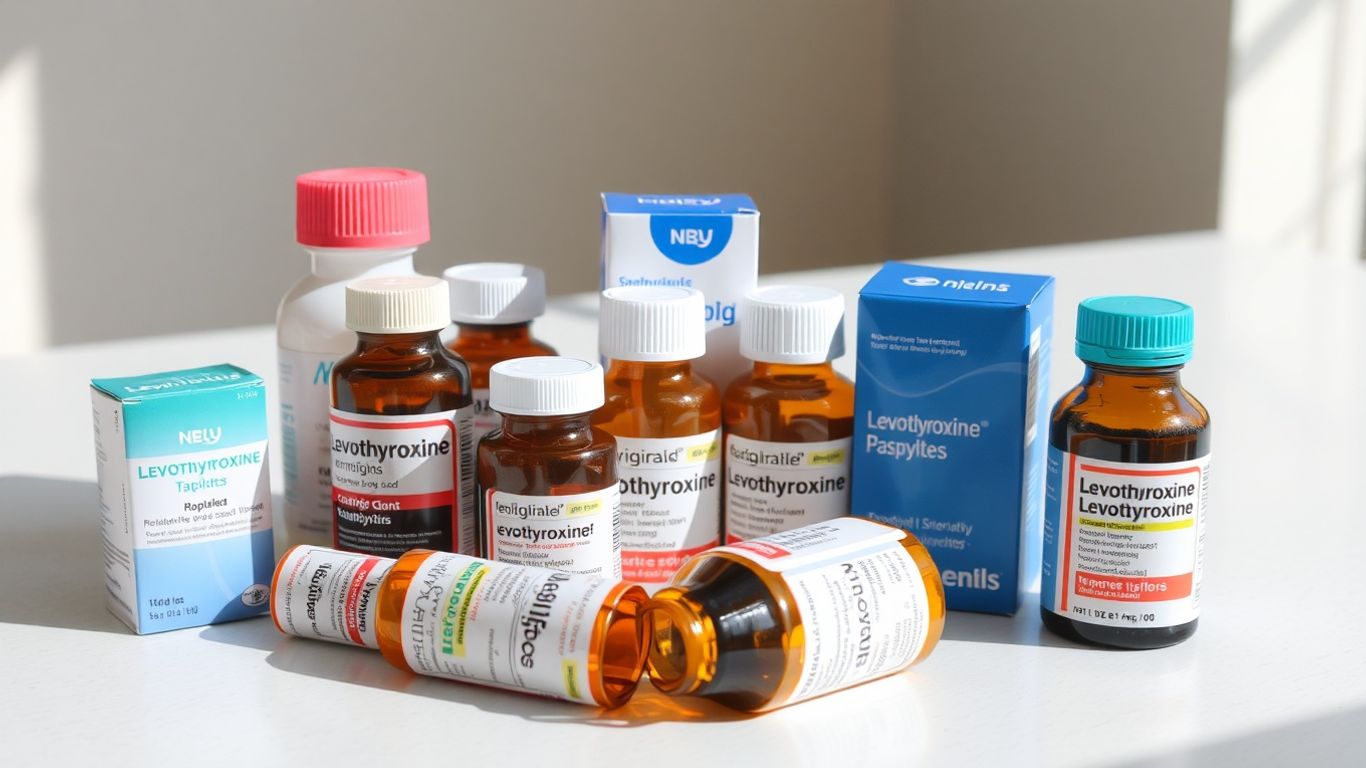
Understanding the companies that make your levothyroxine is important for consistent treatment. Here are some key points to remember about the levothyroxine manufacturer landscape:
Key Takeaways
- Millions rely on levothyroxine, making its consistent supply vital.
- You can choose between brand-name and generic levothyroxine options.
- Different companies manufacture levothyroxine, with both global and local production.
- Strict rules ensure all levothyroxine products are safe and work well.
- Knowing your specific manufacturer helps maintain treatment stability.
Understanding the Levothyroxine Manufacturer Landscape
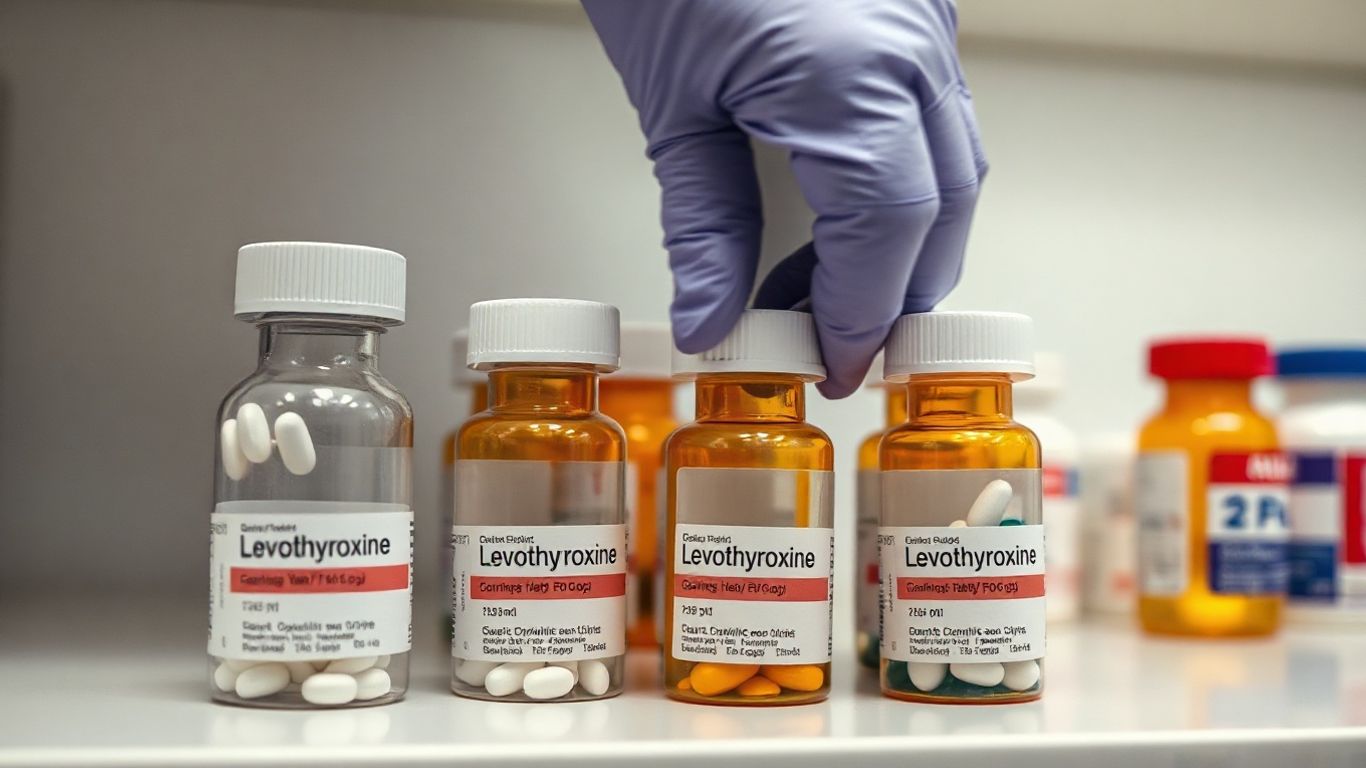
Levothyroxine is one of the most prescribed medications for people with thyroid disorders (like hypothyroidism). Knowing how it's made and who makes it can help you feel more confident about your treatment.
The Importance of Levothyroxine in Thyroid Health
This is a medicine people with low thyroid hormone levels count on—for many, it’s a lifelong prescription. As one of the most prescribed medications in the US, it touches millions of lives (per CDC). Without it, symptoms like fatigue, weight gain, and brain fog can get in the way of daily life (per Mayo Clinic). Not everyone’s needs are the same, though, so small differences between products can matter more than you’d expect.
- Most patients will stay on levothyroxine for decades
- It’s prescribed in multiple strengths for different needs
- Available as both tablet and (for some companies) capsule or liquid
Most people don't realize how much effort goes into keeping a steady supply of levothyroxine available, and how important small changes between manufacturers can be for some users.
Brand-Name vs. Generic Levothyroxine Options
Patients have two main choices: stick with a brand-name product or go with a generic. The main active ingredient is always the same, but fillers, colors, and how the pill dissolves (thanks to different inactive ingredients) can be different. These differences can sometimes affect how your body absorbs the hormone, leading some people to feel better on one version than another.
Key points to consider:
- Both brand and generic forms are FDA-approved (per FDA).
- Insurance tends to cover generics, but doctors may specify a brand due to patient history.
- While generics must prove they work similarly to brands, they aren't always identical in every way.
If you're curious about effectiveness and whether switching matters, check out this breakdown of brand-name and generic levothyroxine.
Key Players in Levothyroxine Production
Here’s a quick table with some of the big names you may see (either on your bottle or at the pharmacy):
| Manufacturer | Main Product(s) | Brand or Generic | Manufacturing Base |
|---|---|---|---|
| AbbVie (formerly Abbott) | Synthroid | Brand-Name | USA, Global |
| Pfizer/King | Levoxyl | Brand-Name | USA |
| IBSA Institut | Tirosint | Brand-Name | Switzerland |
| Mylan (Viatris) | Levothyroxine, generics | Generic & Brand | India, USA (packaging) |
| Teva Pharmaceuticals | Levothyroxine | Generic | Global |
| Sandoz (Novartis) | Levothyroxine | Generic | Global |
| Lannett, Amneal, Lupin | Levothyroxine | Generic | USA, India |
So, when you pick up your prescription, it might have come from one of many places. What matters is that, whether it’s a brand or a generic, all US-sold versions are tightly regulated. Still, for some folks, sticking to the same version every refill just makes life simpler and more predictable.
Navigating Major Levothyroxine Producers
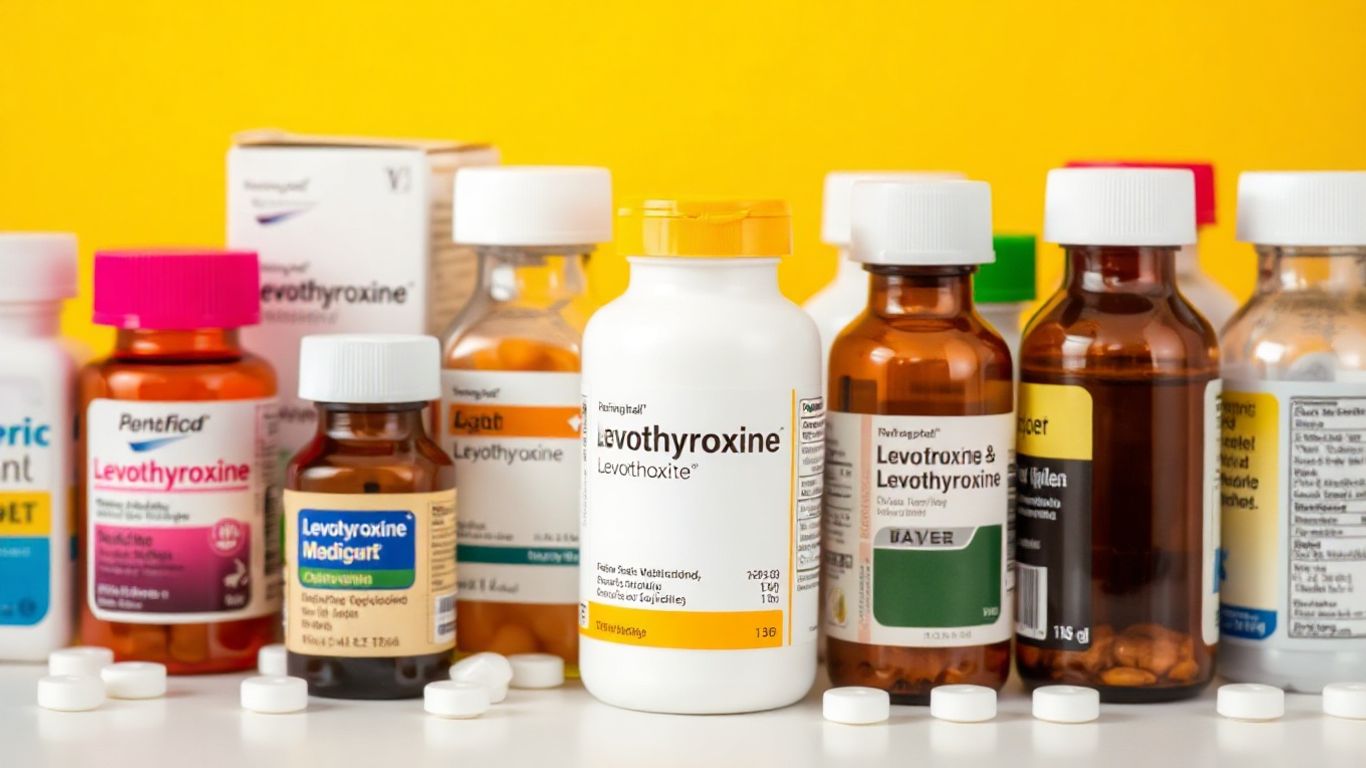
When it comes to generic levothyroxine, the options are pretty broad. Several big pharmaceutical companies consistently supply most of the generic levothyroxine you’ll find at pharmacies. These include global names such as Teva Pharmaceuticals, Mylan (Viatris), Sandoz, Amneal Pharmaceuticals, Lupin, and Lannett. Each of these manufacturers must meet pretty tight quality standards, but patients may still notice small differences in how they feel, depending on which company made their tablets.
Here's a simple breakdown of major generic manufacturers:
| Manufacturer | Main Regions |
|---|---|
| Teva Pharmaceuticals | US, Europe |
| Mylan (Viatris) | India, US |
| Lupin | India, US |
| Amneal | US |
| Sandoz (Novartis) | US, Europe |
| Lannett | US |
It’s good to remember that many generic suppliers rely on active ingredients from international partners. In fact, a variety of companies supplying Levothyroxine API are based around the world, including Italy, India, and Germany.
Prominent Brand-Name Levothyroxine Companies
If you are prescribed a brand-name product, chances are high it’s one of just a few labels. The US market for brand-name levothyroxine includes several prominent products, such as Synthroid (made by AbbVie), Levoxyl (Pfizer), Unithroid, and Tirosint (per MedlinePlus). Each of these offers something a little different:
- Synthroid: One of the oldest and most studied; available in many strengths.
- Levoxyl: Unique formulation, some people find fewer filler ingredients.
- Unithroid: Also widely used, seen as a solid alternative if others aren’t tolerated.
- Tirosint: Notable for coming in soft-gel capsules, which might be easier for folks with allergies or absorption issues (per Cleveland Clinic).
Outside the US, you might run into brands like Euthyrox and Eltroxin. Despite the small number of brand-name choices, their facilities can be spread out—often in the US, Puerto Rico, or Europe.
- If you’re curious, always check your pharmacy label since even the same brand might look slightly different depending on where it’s packaged.
Global and Local Manufacturing Footprints
Levothyroxine doesn’t come from just one place. Instead, the supply chain is a patchwork of production sites and ingredient sources. Some key points about the manufacturing footprint:
- Generic versions are often produced in India, Germany, or the US, sometimes using active ingredients sourced internationally.
- Brand-name products mainly stick to strict local regulations, but even they sometimes ship to other countries for packaging.
- Some countries have strict import regulations, influencing which brands are available locally.
Many patients aren’t aware of how global the supply really is. From ingredient sourcing to tableting and final packaging, your medication’s journey may have covered several continents before landing in your medicine cabinet.
Sticking with one manufacturer can offer some peace of mind—especially if you notice subtle changes when switching between generics or from a generic to a brand. If your pharmacy needs to swap brands due to shortages or insurance, it’s worth talking to your doctor about whether you might need further lab testing after any switch.
Factors Influencing Levothyroxine Manufacturing
So, what actually goes into making sure the levothyroxine you take is consistent and effective? It's not just about mixing ingredients. Several big factors play a role, from strict rules to how the medicine is put together.
Regulatory Standards and Bioequivalence
This is a huge one. All levothyroxine manufacturers, whether they make brand-name or generic versions, have to follow really strict rules set by health authorities like the FDA in the U.S. These rules cover everything from how the drug is made to how pure it is. A key concept here is bioequivalence. Basically, it means that a generic drug has to perform the same way in the body as the brand-name drug it's copying (per FDA). This is checked through studies to make sure the amount of active ingredient absorbed is pretty much the same. It’s why, even though generics might look different or have different inactive ingredients, they’re expected to work just as well.
- Good Manufacturing Practices (GMPs): These are the baseline rules for making any drug. They cover facility cleanliness, equipment, processes, and quality control.
- Bioequivalence Studies: Companies have to prove their generic levothyroxine is bioequivalent to the reference listed drug.
- FDA Oversight: The Food and Drug Administration regularly inspects manufacturing sites and reviews drug applications to make sure standards are met (per FDA).
The goal of these regulations is to make sure that every pill, no matter who makes it, is safe, effective, and works the way it's supposed to. It’s a complex system designed to protect patients.
Patent Landscape and Formulation Innovation
Patents are like a temporary shield for drug companies. For basic levothyroxine tablets, the original patents have long since expired, which is why we have so many generic options available. However, companies can get new patents for different ways of formulating the drug. Think about things like special coatings, different delivery systems (like capsules instead of tablets), or even new combinations. These innovations can sometimes lead to products that might be absorbed differently or have fewer interactions with other things you eat or take, like calcium or iron supplements, which can interfere with levothyroxine absorption (per MedlinePlus). While the active hormone is the same, these formulation differences can matter to some people.
Supply Chain Security and Consistency
Getting levothyroxine from the factory to your pharmacy involves a long and complicated supply chain. Manufacturers have to think about where they get their raw materials, how they transport the finished product, and how they store it. Any hiccup in this chain – like a shortage of an ingredient, a problem at a manufacturing plant, or issues with shipping – can lead to drug shortages. Companies are increasingly focused on making their supply chains more secure and reliable to avoid these disruptions. This means having backup plans, working with multiple suppliers, and keeping a close eye on global events that might affect production or transport. Consistency is also key; you want to know that the medication you get today is the same as the one you got last month, from the same manufacturer.
Choosing Your Levothyroxine Manufacturer
Finding the right levothyroxine manufacturer isn't something most people think about until it affects their daily routine. Even a change in manufacturer—especially with thyroid medicine—can mean your body feels a little different, and it’s smart to know exactly what you’re taking. This section covers how to figure out your current producer, understand your dosage options, and what to expect if your pharmacy suddenly switches brands.
Identifying Your Specific Levothyroxine Manufacturer
You probably don’t know who made your last refill of levothyroxine off the top of your head, and that’s normal. Pharmacies change suppliers for all sorts of reasons—cost, availability, or insurance changes—so here’s how you can find out who’s actually making your medication:
- Check the label on your prescription bottle. Most pharmacies print the manufacturer’s name near the drug name or right after the dosage.
- Look at the pill itself. Manufacturers put unique imprint codes on their tablets. You can use online pill identifiers to match the code to the company.
- Ask your pharmacist. If you’re unsure or the bottle isn’t clear, just ask. Pharmacists know what’s coming in and can help you get an answer.
Here’s a quick table with some of the widely dispensed options in the U.S.:
| Manufacturer | Brand/Generic | Typical Market Presence |
|---|---|---|
| AbbVie | Brand (Synthroid) | High |
| Mylan (Viatris) | Generic/Brand | High |
| Teva | Generic | High |
| Amneal | Generic | Moderate |
| Lannett | Generic | Moderate |
Understanding Dosage Forms: Tablets and Capsules
Traditional levothyroxine comes as a tablet, but now there are other forms. Tablets are the standard, available from most manufacturers, and they come in lots of dose strengths.
- Capsules are newer in the U.S. and may be easier to absorb for some people. Tirosint is a common brand, and now generics also exist.
- Liquid options are rare but may be better if you have absorption issues or dietary sensitivities.
The form you get often depends on what your doctor prescribes and what your insurance covers. Read more about different formulations like Synthroid, Armour Thyroid, and Tirosint if you're curious about the variety.
The Impact of Switching Levothyroxine Products
Switching levothyroxine products—whether from brand to generic or between generics—can sometimes cause small but noticeable changes in how your thyroid feels or in your lab numbers.
- Different manufacturers use different fillers or dyes, and while the main ingredient is the same, these changes can affect absorption for some people.
- If you switch products, your doctor will likely want to check your TSH levels after about six weeks to be sure your dosage is still right (per FDA).
- If you feel different after a refill—jitters, fatigue, weight changes—talk to your prescriber. Don’t just tough it out; your medication may need to be adjusted.
If you stick to one manufacturer, you’ll probably have fewer fluctuations in how you feel or in your blood work. But if you do have to switch, keeping your doctor in the loop and watching for any changes early on can help you stay on track.
Understanding the manufacturer situation gives you just a bit more control—and peace of mind—on your thyroid journey. If you’re still wondering why these changes matter, or want more details on how the hormone works, check out what makes levothyroxine unique for managing hypothyroidism.
Quality and Consistency in Levothyroxine Production
When you're taking a medication like levothyroxine every day, you want to know it's going to be the same, every single time. It’s not just about the active ingredient; it’s about the whole package. Manufacturers have to jump through a lot of hoops to make sure their product is safe and works the way it's supposed to. This means strict rules and checks all along the way, from the raw materials to the final pill you get from the pharmacy.
Ensuring Product Quality Beyond Regulatory Requirements
Sure, there are government rules, like those from the FDA, that every levothyroxine maker has to follow. They have to prove their drug is bioequivalent, meaning it acts the same way in your body as other versions. But some companies go a step further. They might have their own internal quality checks that are even tougher than the minimum requirements. This could involve more frequent testing, using advanced equipment, or having special training for their staff. It’s all about building trust and making sure patients get a reliable product. For instance, some companies focus heavily on the purity of their active ingredient, making sure there are no unwanted extras that could cause problems. This dedication to quality often sets the top manufacturers apart.
The Role of Inactive Ingredients
It’s easy to think only about the main ingredient in your pill, but those other things, called inactive ingredients, actually matter. These are the fillers, binders, and coatings that give the pill its shape and help it dissolve. Different manufacturers use different combinations of these inactive ingredients. While they don't have a medicinal effect, they can sometimes affect how well your body absorbs the levothyroxine (per FDA). This is why switching between brands or even generics can sometimes cause issues for people. It’s not always about the levothyroxine itself, but how the other ingredients interact with your system. If you're sensitive to certain fillers, you might do better with a specific brand or generic. It’s worth discussing with your doctor if you suspect this might be an issue for you. Some people find that Tirosint capsules are a good option because they use fewer inactive ingredients.
Pharmacovigilance and Real-World Evidence
Once a levothyroxine product is out in the world, the job isn't done. Companies have to keep an eye on how people are doing with their medication. This is called pharmacovigilance. They collect reports of any side effects or problems patients might experience. This information is super important because it helps them spot potential issues that might not have shown up during clinical trials. They also look at real-world evidence, which is data gathered from actual patient use outside of controlled studies. This helps them understand how the drug performs in everyday life for a large number of people. It’s a continuous process of monitoring and improving. For example, tracking how patients manage levothyroxine during pregnancy provides valuable real-world data.
The manufacturing of levothyroxine isn't just about following a recipe. It's a complex process involving rigorous testing, careful selection of ingredients, and ongoing monitoring to ensure that every dose is consistent and effective. Patients rely on this consistency for their daily health management.
The Future of Levothyroxine Manufacturing
So, what's next for how levothyroxine gets made? It's not like the drug itself is going to change much, but the companies making it are always looking for ways to do things better, or maybe just differently. Think about it: even though levothyroxine has been around for ages, there are still opportunities for companies to stand out.
Opportunities for Differentiation
One big area is in how the medication is delivered. We've got tablets, sure, but what about capsules or even liquids? Companies might develop new forms that are easier for some people to take, or maybe ones that are more stable. It's all about making the patient's life a little simpler. Plus, there's always the chance for innovation in the inactive ingredients – the stuff that isn't the actual hormone. Sometimes, these can affect how well the body absorbs the levothyroxine, and finding better ones could be a game-changer. The goal is to make treatment more consistent and predictable for everyone.
Navigating Pricing and Reimbursement Strategies
Even with generics, pricing is a constant dance. Manufacturers need to keep their costs competitive, but they also want to show that their product is worth it, especially if they've put money into a new formulation or extra quality checks. Getting on insurance formularies is a huge part of this. It means working with pharmacy benefit managers and insurance companies to make sure patients can actually afford their medication. Some companies might also look into patient assistance programs, which can help people who are struggling to pay, and it also builds a bit of brand loyalty.
Patient-Centric Approaches in Thyroid Therapy
Ultimately, it all comes back to the patient. The future likely holds more focus on what makes treatment easier and more effective for individuals. This could mean better patient education materials, more support programs, or even digital tools to help people track their medication and symptoms. The research into thyroid conditions is always growing, which means our understanding of what works best is always improving. This ongoing research helps shape how manufacturers think about their products.
The market for thyroid medications, while established, isn't static. Companies that focus on improving patient experience, whether through novel delivery methods or enhanced support, are likely to find success. It's about more than just making the pill; it's about supporting the person taking it throughout their health journey.
Conclusion
Managing your thyroid health is a team effort, and understanding your levothyroxine manufacturer is a big part of that. Knowing the differences between brands and generics, and how quality is maintained, can help you feel more confident in your treatment. Always talk to your doctor or pharmacist if you have questions or notice any changes in your medication. Staying informed is key to consistent and effective thyroid care.
Frequently Asked Questions
Is levothyroxine always the same, or do different companies make it differently?
Levothyroxine is the main ingredient, and it's the same across different brands and generics. However, the other things in the pill, like fillers, can be different. This is why it's good to stick with one type if your doctor says so.
What's the difference between brand-name and generic levothyroxine?
Think of it like store-brand versus name-brand cereal. The main ingredient – the levothyroxine – is the same. But the other parts might be a little different. Both are tested to make sure they work safely.
Where are levothyroxine pills made?
Levothyroxine is made by many companies. Some have factories in places like the United States, while others produce it in countries like India or Germany. The important thing is that all factories must follow strict rules.
Why is it important to know which levothyroxine manufacturer I'm using?
Sometimes, even small differences in how a pill is made can affect how your body uses it. Sticking with the same manufacturer helps keep your thyroid hormone levels steady, which is usually best for your health.
Can I switch between different brands of levothyroxine?
It's best to talk to your doctor before switching. While the main ingredient is the same, changes in other ingredients could mean your doctor needs to recheck your thyroid levels to make sure the dosage is still right.
Are generic levothyroxine pills as good as the brand-name ones?
Yes, they are. The FDA has strict rules that all generic levothyroxine must follow to be sure they are just as safe and effective as the brand-name versions. Companies have to prove their product works the same way in the body (per FDA).
Sources
- CDC - NCHS Data Brief - Therapeutic Drug Use Among Adults Aged 40–79 in the United States, 2017–2018
- Cleveland Clinic - Levothyroxine Tablets
- U.S. Food & Drug Administration — Generic Drug Facts
- U.S. Food & Drug Administration — Levothyroxine: Current TSH Level and Symptoms May Warrant Retesting When Switching Products
- Mayo Clinic — Hypothyroidism (underactive thyroid)
- MedlinePlus — Levothyroxine