
Here are some of the main points to remember about ADHD and memory issues:
Key Takeaways
- ADHD significantly impacts working memory, making it hard to hold and use information in the short term (per the NIH).
- Memory problems in ADHD are often due to how the brain processes information, not a lack of intelligence.
- External memory aids, consistent routines, and breaking down tasks are effective strategies for managing ADHD and memory challenges.
- Medication and therapeutic interventions like CBT can help manage ADHD symptoms, including memory issues (per the CDC).
- If memory problems interfere with daily life, seeking professional support from a doctor or therapist is important for diagnosis and treatment.
Understanding ADHD and Memory Challenges
The Link Between ADHD and Memory Function
It's pretty common for people to associate ADHD mainly with issues like fidgeting or trouble paying attention. But honestly, it's a lot more complex than that. For many, the challenges with focus and attention that define ADHD also spill over into how their brain handles memory. This isn't about being unintelligent; it's about how the brain processes and stores information differently (per the NIH). Think of it like trying to catch water with a sieve – some of it just slips through, no matter how hard you try. This can make everyday tasks feel like a constant uphill battle, leading to a lot of frustration.
Memory issues in ADHD often hit working memory the hardest. This is the brain's temporary holding space, like a mental notepad, where you keep information handy for immediate use. It’s what helps you remember a phone number just long enough to dial it, or follow a set of instructions without getting lost halfway through. When this system is a bit wobbly, things like remembering appointments, keeping track of tasks, or even just recalling what you were just told can become a real struggle (per the CDC).
How ADHD Impacts Working Memory
Working memory is super important for just about everything we do. It's how we juggle multiple pieces of information at once, which is pretty much constant in our busy lives. For folks with ADHD, this juggling act can be particularly tough.
Here's a breakdown of why working memory can be tricky with ADHD:
- Information Overload: The brain has a harder time filtering out distractions. So, instead of focusing on what's important, it gets pulled in a million different directions, making it hard to lock in new information.
- Shallow Processing: Because attention can be fleeting, information might not get processed deeply enough to stick. It's like skimming a book instead of really reading it – you get the gist, but the details fade fast.
- Interrupted Flow: The quick shifts in attention can interrupt the process of moving information from short-term recall to more lasting memory storage.
This constant battle with distractions and the difficulty in holding onto information can make people with ADHD feel like they're always forgetting things, even when they're trying their best. It’s not a lack of effort; it’s a difference in how the brain operates.
Distinguishing ADHD from Other Memory Issues
It's easy to get worried when you're forgetting things, but it's important to figure out why. While ADHD definitely impacts memory, it's not the only thing that can cause forgetfulness. Sometimes, memory problems can be a sign of other health issues, and it’s always a good idea to get checked out by a doctor to rule those out. For instance, conditions like dementia affect memory differently than ADHD. Dementia often involves losing memories you once had, like forgetting how to do familiar tasks or getting lost in known places, while ADHD usually makes it harder to take in new information in the first place because of attention challenges (per NIH). So, while someone with ADHD might misplace their keys or forget instructions, someone with dementia might forget how to drive a car. If you're noticing memory issues, it's worth looking into what might be causing them. Getting a proper assessment is key to finding the right support. You can find resources to help you understand memory and focus better.
It's crucial to remember that memory challenges associated with ADHD are not a reflection of a person's intelligence or capability. They stem from neurological differences that affect executive functions like attention, working memory, and information processing. Understanding these differences is the first step toward implementing effective strategies and seeking appropriate support.
The Science Behind ADHD and Memory
So, why exactly does ADHD mess with memory? It's not just about being forgetful; there's some real brain stuff going on. Scientists are still piecing it all together, but a lot of it comes down to how different parts of the brain activate, or don't activate, when it comes to remembering things.
Brain Region Activation and Memory
Studies have shown that people with ADHD who struggle with memory often have less activity in certain brain areas. Think of the prefrontal cortex – that's the part of your brain that handles things like planning, focusing, and keeping track of your goals. When this area isn't firing on all cylinders, it can make it tough to remember instructions or even just stay on task until it's done (per the NIH). It's not about intelligence, though. Having ADHD doesn't mean you're not smart; it just means your brain works a bit differently when it comes to managing attention and memory.
Impact on Encoding New Information
When it comes to forming new memories, ADHD can throw a wrench in the works. The brain's process of taking in new information and storing it for later use, called encoding, can be disrupted. Because the ADHD brain tends to jump from one thing to another, it might not give new information the focused attention it needs to be properly filed away. This is why even if you hear something important, it might just slip right out of your head because it never really got stored properly in the first place. It's like trying to catch water in a sieve – some of it just won't stick.
ADHD's Effect on Short-Term vs. Long-Term Memory
When we talk about memory and ADHD, we're usually talking about working memory, which is like your brain's temporary notepad. It's what you use to hold onto information for a short time while you're doing something with it, like remembering a phone number just long enough to dial it. People with ADHD often have a harder time with this because distractions can easily interrupt that mental notepad. Long-term memory, the stuff you recall from days or years ago, isn't usually as directly affected. The issue is more about getting information into long-term memory in the first place, which relies heavily on that shaky working memory and the encoding process. It's less about the storage unit itself and more about the delivery system getting things there.
The challenges with memory in ADHD are not a reflection of a person's intellect or capability. Instead, they stem from neurobiological differences that affect how the brain processes and retains information, particularly under conditions of distraction or when sustained focus is required.
It's important to remember that these memory issues are a symptom of ADHD, not a sign of something more serious like dementia. While both can involve forgetfulness, the underlying causes and patterns are different. For instance, ADHD often makes it harder to learn new things or remember instructions given in the moment, whereas dementia typically affects the ability to recall information that was once known (per NIH). If you're noticing significant memory changes, it's always a good idea to talk to a doctor to figure out what's going on. They can help distinguish between ADHD-related memory challenges and other potential causes, like those sometimes experienced during menopause.
Here's a quick look at how ADHD can impact memory functions:
- Working Memory: Difficulty holding and manipulating information for immediate use.
- Encoding: Challenges in transferring new information from short-term to long-term storage.
- Recall: While long-term memory itself might be intact, accessing that information can be hindered by attention and organizational issues.
Understanding these scientific underpinnings can be the first step toward finding effective strategies and support. For parents and educators, knowing how children with ADHD experience these challenges is also key to providing the right help.
Manifestations of ADHD and Memory Problems
Common Memory Lapses in ADHD
It's easy to think of ADHD as just being about hyperactivity or a short attention span, but memory issues are a really big part of it too. For people with ADHD, it's not just about occasionally forgetting where you put your keys. It's more about how the brain processes and holds onto information in the first place. This can lead to a whole host of everyday forgetfulness that can be pretty frustrating (per CDC).
- Forgetting to do things you planned to do later: This is often called prospective memory failure. You might think, "I'll remember to call Mom after dinner," but then dinner happens, and the thought just vanishes.
- Difficulty recalling instructions: Even if you heard them clearly, remembering the steps in the right order can be a challenge.
- Losing track of items: Keys, wallet, phone – they seem to have a mind of their own. It's not carelessness; it's a difficulty in the moment of putting something down and encoding its location.
- Trouble remembering dates or appointments: Birthdays, anniversaries, doctor's appointments – they can easily slip through the cracks if not written down immediately.
These memory lapses aren't a sign of low intelligence; they're a direct result of how ADHD affects executive functions like working memory and attention.
Challenges in Daily Life
When these memory issues pop up regularly, they can really throw a wrench into daily life. Imagine trying to manage a household, keep up with work, or even just maintain social connections when you're constantly battling forgetfulness. It can lead to a lot of stress and feelings of inadequacy.
- Workplace difficulties: Missing deadlines, forgetting meeting details, or misplacing important documents can impact job performance and create friction with colleagues or supervisors. This can make it tough to advance in your career, and sometimes people look for new opportunities to get a fresh start.
- Relationship strain: Forgetting important dates, not following through on promises, or seeming inattentive can lead to misunderstandings and hurt feelings with partners, family, and friends.
- Financial management: Forgetting to pay bills on time can result in late fees and damage credit scores. Keeping track of expenses and budgeting can also become a significant hurdle.
The constant feeling of forgetting or being disorganized can be exhausting. It's like your brain is always playing catch-up, and sometimes it just can't quite get there.
ADHD Memory Issues in Children vs. Adults
While the core memory challenges are similar, how they show up can differ between kids and adults with ADHD.
In Children:
- Struggling to follow multi-step instructions in school.
- Forgetting homework assignments or where they put their school supplies.
- Difficulty remembering rules or routines at home.
In Adults:
- Missing work deadlines or forgetting important meetings.
- Trouble managing household responsibilities like paying bills or scheduling appointments.
- Forgetting conversations or details from recent events.
It's important to remember that adult ADHD often goes undiagnosed because symptoms can be mistaken for stress, burnout, or just general disorganization (per the NIH). Recognizing these memory issues as a potential symptom of ADHD is the first step toward finding effective strategies and support.
Addressing Memory Concerns with ADHD

It can be really frustrating when your memory feels like it's playing tricks on you, especially when you have ADHD. It's not about not caring or not trying; it's about how your brain is wired. The good news is, there are practical ways to manage these memory challenges. The key is to find strategies that work with your ADHD brain, not against it.
Therapeutic and Behavioral Interventions
Therapy can be a game-changer. Cognitive Behavioral Therapy (CBT), for instance, helps you understand the connection between your thoughts, feelings, and behaviors, including how they impact your memory (per the NIH). You can learn to identify unhelpful thought patterns that might be making memory lapses feel worse and develop coping mechanisms. Sometimes, just talking through these issues with a professional can make a huge difference in how you feel about your memory.
Medication's Role in Managing Symptoms
For many people with ADHD, medication can be a significant help. Stimulant medications, like those containing methylphenidate or amphetamines, work by increasing the levels of certain neurotransmitters in the brain. This can improve focus, attention, and impulse control, which in turn can positively affect working memory (per the NIH). Non-stimulant options are also available. It's important to remember that medication isn't a magic bullet, but it can be a powerful tool when used alongside other strategies. Finding the right medication and dosage often involves some trial and error with your doctor.
Cognitive Training and Memory Exercises
Think of cognitive training as a workout for your brain. There are specific exercises and programs designed to target areas like working memory and attention. These might involve computer-based tasks or structured activities that challenge your brain to hold and process information. While the effectiveness can vary from person to person, consistent practice can lead to improvements. It’s about building those mental muscles over time. Some people find that activities like learning a new skill or playing strategy games can also give your cognitive functions a good boost.
It's important to approach memory strategies with patience and self-compassion. What works for one person might not work for another, and that's perfectly okay. The goal is to build a toolkit of strategies that help you navigate daily life more smoothly and reduce the frustration associated with memory challenges. Remember, seeking support from professionals and understanding your unique ADHD profile are vital steps in this process.
Here's a look at some common memory challenges and how strategies can help:
- Forgetting Instructions: Using visual aids, breaking down steps, and having the person repeat instructions back can be very effective. For example, if you're giving directions to a child with ADHD, make eye contact, state the direction clearly, and ask them to repeat it twice. This repetition helps solidify the information.
- Misplacing Items: Designating specific spots for frequently lost items (keys, wallet, phone) can create a routine. Using a checklist for items you need before leaving the house can also prevent last-minute scrambling.
- Difficulty Recalling Information: Techniques like active recall (testing yourself on material) and spaced repetition (reviewing information at increasing intervals) can help move information from short-term to long-term memory. This is especially useful for learning new material or preparing for tasks.
| Strategy Type | Example | Potential Benefit |
|---|---|---|
| Behavioral | Establishing designated spots for keys and wallet | Reduces time spent searching for lost items |
| Cognitive | Practicing active recall of daily tasks | Improves ability to remember sequences of actions |
| Environmental | Using a large, visible calendar for appointments | Provides constant visual reminders of commitments |
Strategies for Enhancing Memory with ADHD
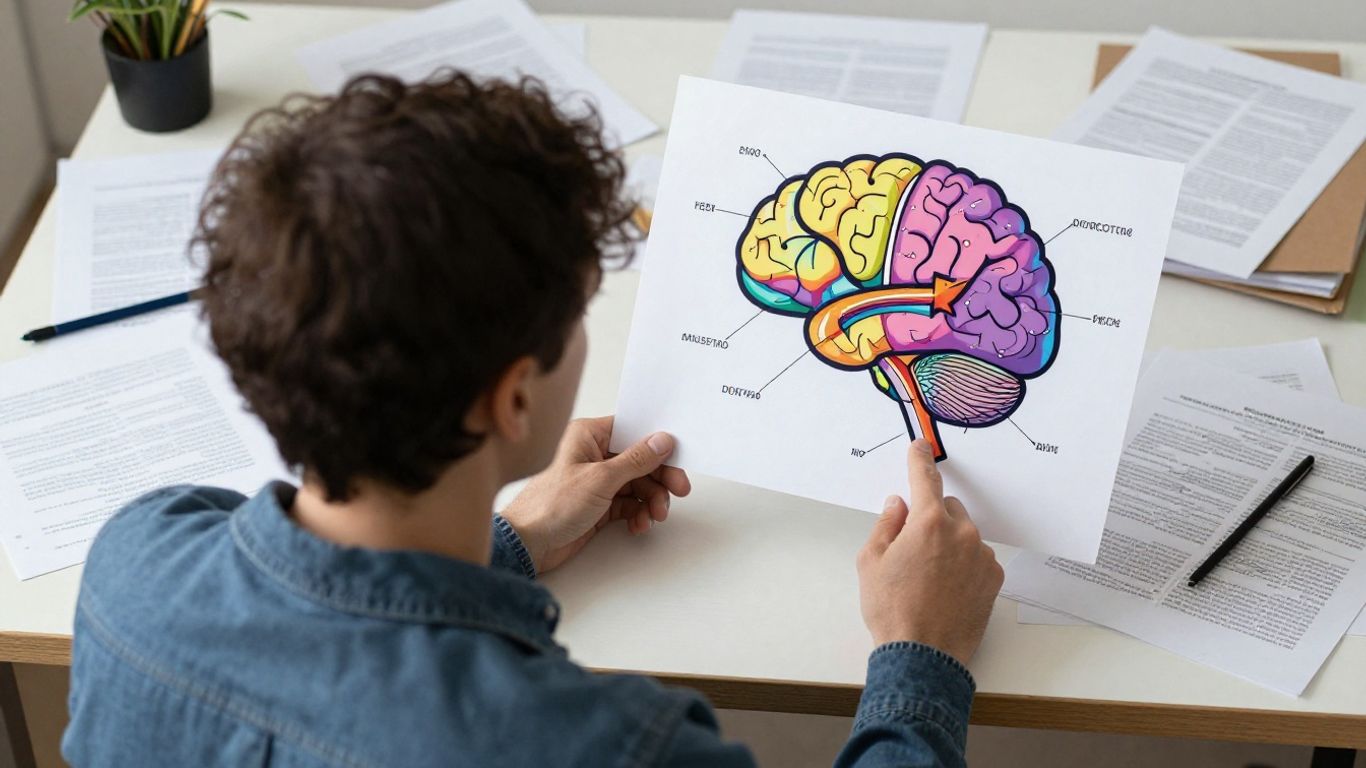
Okay, so you've got ADHD, and remembering stuff feels like trying to catch smoke. It's frustrating, right? You're not alone. The good news is, there are ways to get a better grip on your memory. It's not about suddenly becoming a memory champion overnight, but more about finding tools and tricks that work for your brain.
Utilizing External Memory Aids
This is a big one. Think of external aids as your brain's trusty sidekick. Since your working memory might be a bit overloaded, offloading some of that mental work is key.
- Phone Reminders & Apps: Set alarms for appointments, medication, or even just to take a break. There are tons of apps designed specifically to help with organization and reminders for people with ADHD.
- Planners & To-Do Lists: Whether it's a fancy digital one or a simple notebook, writing things down makes them more real. Break down big tasks into smaller steps and check them off as you go – that little dopamine hit is surprisingly motivating.
- Visual Cues: Sticky notes on the fridge, a whiteboard by the door, or even just placing your keys in the same spot every single time can make a huge difference. These little visual nudges help jog your memory without you even having to think too hard.
The trick here is consistency. If you decide to use sticky notes, try to actually use them. The more you rely on these external tools, the more they become second nature, freeing up your brainpower for other things.
Establishing Consistent Routines
Routines are like autopilot for your brain. When certain actions become automatic, you don't have to actively remember to do them. This is super helpful for ADHD brains that can get easily sidetracked. Think about your morning routine: you probably don't have to think hard about brushing your teeth or making coffee, right? Apply that same principle to other areas.
- Morning & Evening Habits: Always put your phone and wallet in the same place when you get home. Have a set routine for getting ready in the morning.
- Workday Structure: Try to tackle similar tasks at the same time each day. If you have a specific task you always forget, try to link it to something you already do, like checking your email right after you finish your first cup of coffee. This is sometimes called 'habit stacking'.
- Meal Prep & Planning: Knowing what you're going to eat can reduce decision fatigue and make grocery shopping easier. Even just planning a few meals ahead can save you a lot of mental energy during the week.
Breaking Down Complex Tasks
Big projects can feel like staring up at a mountain. When you have ADHD, that mountain can seem even more impossible to climb because your working memory might struggle to hold all the steps at once. The solution? Chop that mountain into tiny, manageable pebbles.
- Identify Each Step: For any task, big or small, write down every single step involved. Be super specific. Instead of 'clean the kitchen,' break it down into 'clear counters,' 'wash dishes,' 'wipe down counters,' 'sweep floor,' etc.
- Prioritize and Sequence: Once you have your list, figure out which steps need to happen first and which are most important. You can even number them.
- Focus on One Step at a Time: This is crucial. Don't think about the whole project. Just focus on completing the one step you've written down. Once that's done, move to the next. This makes things feel less overwhelming and gives you a sense of accomplishment as you go.
It takes practice, for sure. You might forget a step here or there, and that's okay. The goal is progress, not perfection. Finding what works for you might involve some trial and error, but these strategies can really make a difference in managing those ADHD-related memory challenges. If you're struggling to get a handle on things, talking to a doctor about getting tested for underlying issues might also be a good next step.
When to Seek Professional Support
Sometimes, despite our best efforts with strategies and tools, memory issues related to ADHD can still feel overwhelming. It’s important to recognize when it’s time to bring in the professionals. If you're finding that forgetfulness, difficulty concentrating, or trouble recalling information is consistently impacting your work, your relationships, or your ability to manage daily tasks, that's a pretty clear sign that more support is needed.
Recognizing the Impact on Daily Functioning
Memory problems aren't just about forgetting where you put your keys (though that happens too!). When these lapses start to affect bigger things, it’s time to pay attention. Think about:
- Work or School Performance: Are you missing deadlines, struggling to complete assignments, or finding it hard to keep up with instructions? This can really impact your career or academic path.
- Relationships: Is your forgetfulness causing friction with family or friends? Maybe you're forgetting important dates, promises, or conversations, leading to misunderstandings.
- Personal Safety and Well-being: Forgetting to take medication, missing important appointments, or having trouble with tasks that require sequential steps can sometimes pose risks.
- Emotional Toll: Constantly feeling frustrated, embarrassed, or anxious about your memory can take a significant hit on your overall mental health.
The Importance of Early Intervention
Getting help sooner rather than later can make a big difference. When ADHD-related memory challenges are addressed early, individuals can learn effective coping mechanisms and strategies. This proactive approach can prevent issues from becoming more entrenched and can significantly improve long-term outcomes. It's about building a solid foundation for managing ADHD symptoms, including memory difficulties, so they don't hold you back from living a full life. Early support can help you feel more in control and less overwhelmed by the day-to-day.
Seeking professional guidance isn't a sign of weakness; it's a smart move towards better self-management. It means you're taking your well-being seriously and looking for the most effective ways to navigate the challenges ADHD presents.
Finding the Right Professional Guidance
So, who do you talk to? A good starting point is often your primary care physician. They can do an initial assessment and refer you to specialists if needed. Depending on your specific needs, this might include:
- Psychiatrists or Psychologists: These professionals can diagnose ADHD, prescribe medication if appropriate, and offer therapy like Cognitive Behavioral Therapy (CBT) which can help with coping strategies.
- Therapists or Counselors: They can provide support for the emotional impact of ADHD and memory issues, helping you develop practical strategies for daily life.
- Occupational Therapists: These specialists can help you develop practical skills and routines to manage daily tasks more effectively, including memory aids and organizational techniques.
Remember, finding the right fit might take a little time, but it's worth the effort. You can also explore resources like private laboratory testing if you're looking for objective data to discuss with your doctor, which can sometimes help clarify concerns before a formal appointment.
Conclusion
Dealing with ADHD and memory problems can feel like a constant uphill battle, but it doesn't have to be. Understanding the unique ways ADHD affects your brain's ability to remember and process information is the first big step. You're not alone in this, and there are many practical strategies and support systems available. From using simple tools like planners and reminders to building solid routines and seeking professional help, you can significantly improve your daily life. Remember, managing these challenges is a journey, and finding what works best for you is key to regaining control and living a more organized, less forgetful life.
Frequently Asked Questions
Does ADHD always cause memory problems?
Not everyone with ADHD has major memory problems, but it's pretty common. The biggest issue is usually with 'working memory,' which is like your brain's temporary notepad. It makes it tough to keep track of things you just heard or need to do right away (per the NIH). It’s not that you can’t remember things from long ago, but more like you forget what you were just saying or doing.
How is ADHD memory loss different from other types of memory loss?
With ADHD, the memory trouble is usually about not being able to focus long enough to really 'store' new information properly. It's like trying to write on a shaky table – the words don't stick. Other kinds of memory loss, like from dementia, might involve forgetting familiar skills or people you've known for years. ADHD memory issues typically start in childhood and are more about everyday tasks and instructions.
Can medication help with ADHD and memory problems?
Yes, medication can really help. ADHD meds are designed to help your brain focus better. When you can concentrate more, it's easier to pay attention to and remember information. It's not a magic fix for all memory issues, but it often makes a big difference by reducing the distractions that mess with your memory (per the CDC).
What are some simple tricks to improve memory with ADHD?
There are lots of simple things you can try! Using your phone for reminders and alarms is super helpful. Writing things down, like on sticky notes or in a planner, can also be a lifesaver. Setting up a regular routine for your day, so you don't have to think too hard about what comes next, really cuts down on the mental effort. Also, breaking big tasks into smaller steps makes them way less scary and easier to remember.
Does ADHD affect short-term or long-term memory more?
ADHD usually has a bigger effect on short-term and working memory. Think about remembering a phone number just long enough to dial it, or following a few steps in a recipe. Long-term memory, like remembering your childhood or learned skills, is often less affected. The main issue is getting information *into* long-term memory in the first place because of focus problems.
When should I see a doctor about my memory concerns related to ADHD?
If your memory troubles are making it hard to do your job, keep up with schoolwork, or are causing problems in your relationships, it’s definitely time to talk to a doctor or a mental health professional (per the CDC). They can help figure out if it's ADHD or something else, and then help you find the best ways to manage it.