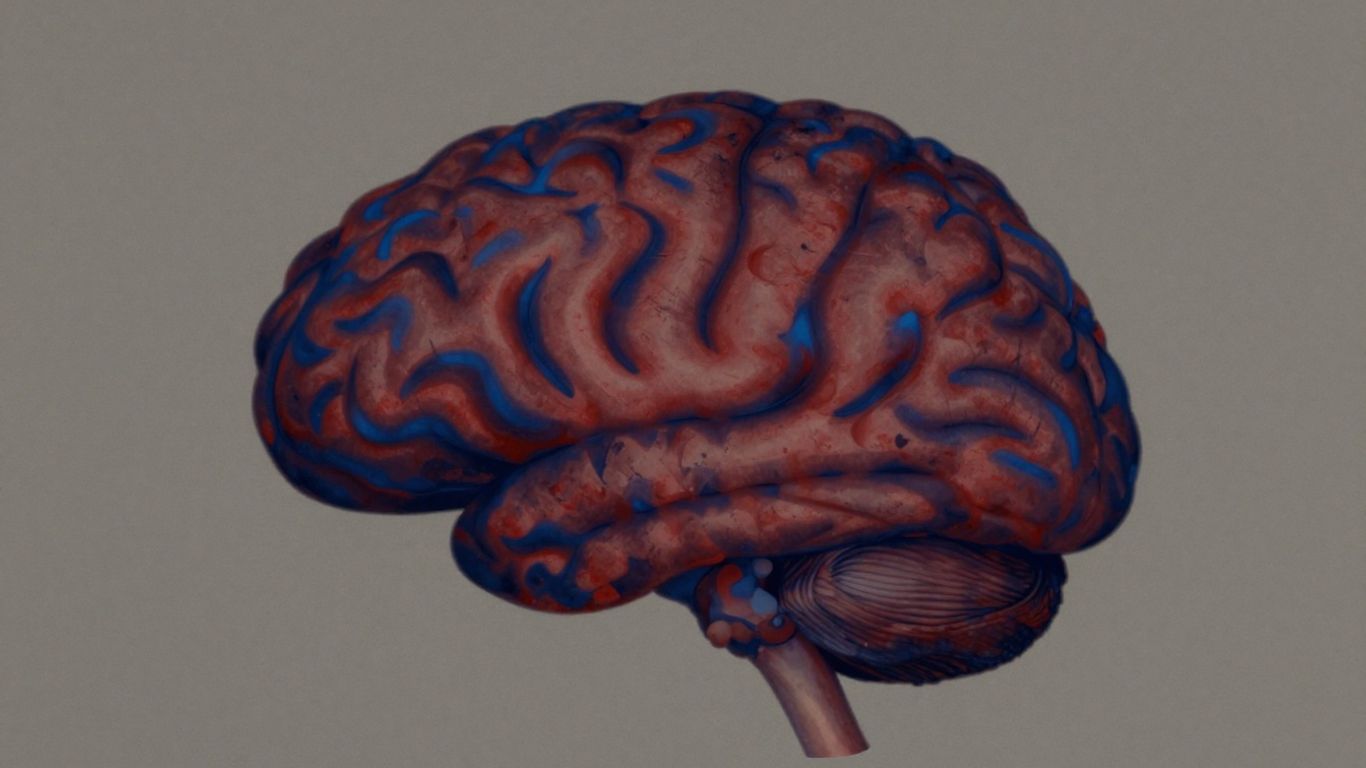
Here are the main points to remember about brain damage from alcohol. Keep these in mind as you learn more about this important topic.
Key Takeaways
- Alcohol is toxic to the central nervous system and can lead to various forms of brain damage, impacting memory, learning, and coordination.
- Symptoms of alcohol-related brain damage range from cognitive issues like memory loss and confusion to changes in mood and behavior.
- Specific conditions like Wernicke's encephalopathy and Korsakoff's syndrome are serious consequences of alcohol abuse, often linked to thiamine deficiency.
- Nutrition, especially adequate thiamine (Vitamin B1) intake, plays a vital role in brain health and recovery from alcohol-related damage.
- Abstinence from alcohol, early intervention, medical treatments, and strong support systems are key to managing and recovering from alcohol-related brain injury.
Understanding Alcohol's Impact on Brain Health
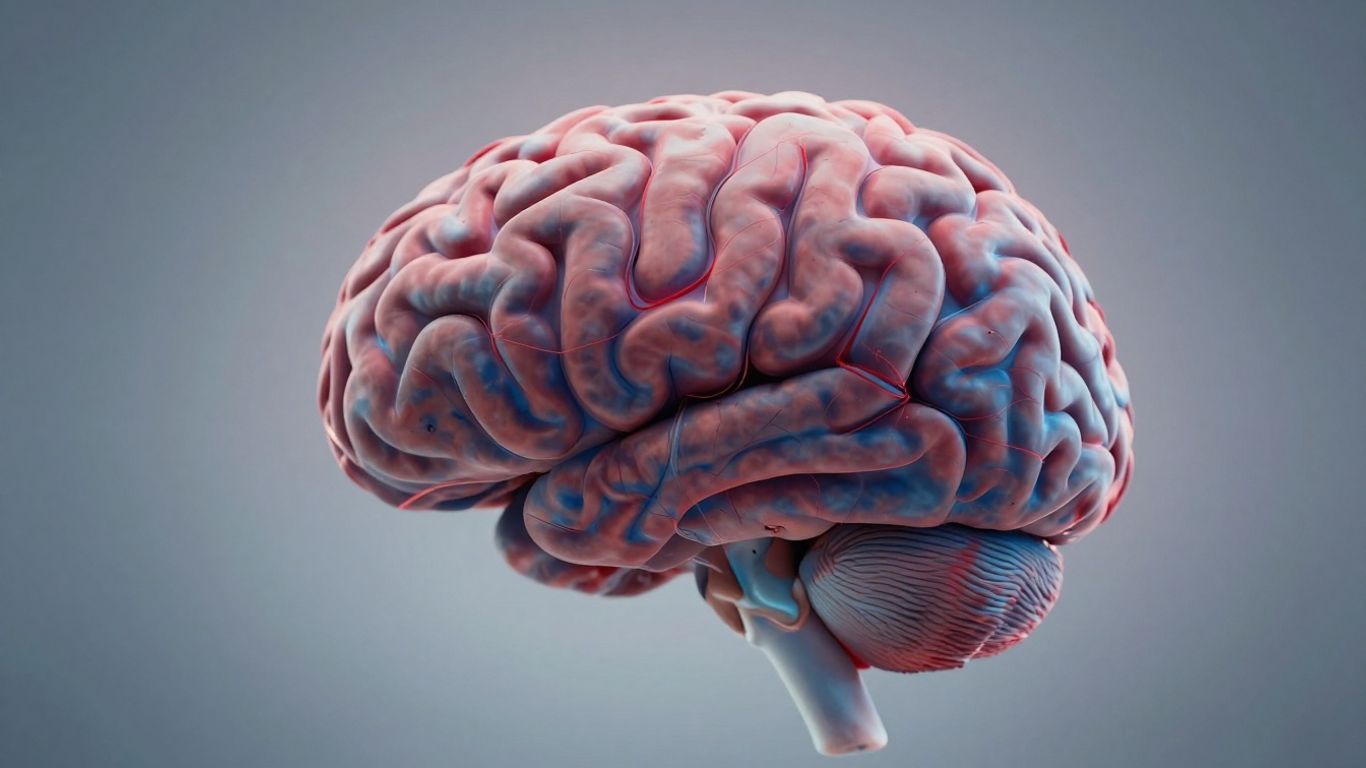
Alcohol might seem like a harmless way to unwind, but when it comes to your brain, it's actually quite the opposite. The stuff you drink, especially if you're doing it a lot, can really mess with your central nervous system. Think of your brain like a super complex computer; alcohol is like a virus that starts corrupting files and slowing everything down.
The Toxic Effects of Alcohol on the Central Nervous System
When you drink alcohol, it doesn't just make you feel a bit tipsy. It's a neurotoxin, meaning it directly harms nerve cells. This damage isn't always immediate or obvious, but over time, it can lead to significant problems. Alcohol interferes with neurotransmitters, the chemical messengers in your brain that control everything from your mood to your motor skills. It can also cause brain cells to shrink and even die. This is why long-term heavy drinking is linked to a smaller brain size overall (per the NIH).
How Alcohol Consumption Leads to Brain Impairment
So, how does all this drinking actually lead to brain problems? Well, it's a multi-pronged attack. For starters, alcohol messes with your body's ability to absorb essential nutrients, particularly thiamine (Vitamin B1). This vitamin is super important for brain health, and a deficiency can lead to serious conditions like Wernicke's encephalopathy (per MedlinePlus). On top of that, heavy drinking can damage your heart, which means less blood and oxygen get to your brain. Poor nutrition, often a side effect of heavy drinking, also plays a big role. All these factors combined create a perfect storm for brain impairment. It's not just about the amount you drink, but also how consistently you drink at risky levels over time. Even binge drinking, which might seem like a short-term issue, can cause significant damage if it's excessive enough and combined with a poor diet.
Factors Influencing the Severity of Alcohol-Related Brain Damage
Not everyone who drinks heavily ends up with the same level of brain damage, and that's because a few things can influence how severe the impact is. Your age is a big one; younger brains tend to have a better capacity for recovery. Gender can also play a role, though the exact reasons are still being studied. And as we've touched on, your overall nutrition and how much you're drinking, and for how long, are massive factors. It's a complex picture, and sometimes, even with heavy drinking, some people might not develop obvious signs of alcohol-related brain injury, while others do. It's a reminder that our bodies react differently to the same substances.
The brain is remarkably adaptable, but it has its limits. Consistent exposure to alcohol pushes those limits, leading to changes that can affect thinking, memory, and behavior. Early intervention and stopping drinking are key to minimizing further harm and allowing the brain to begin healing.
Recognizing the Signs of Alcohol-Related Brain Damage
When someone drinks heavily for a long time, their brain can start to show some real changes. It's not always obvious at first, and sometimes people don't even realize it's happening. But paying attention to certain shifts in how a person thinks, feels, and acts can be the first step in understanding if alcohol might be the cause.
Cognitive Impairments: Memory and Learning Difficulties
One of the most common signs is trouble with memory and learning. This isn't just forgetting where you put your keys; it can be more profound. People might struggle to remember recent events, have a hard time picking up new skills, or find it difficult to concentrate on tasks. Sometimes, to fill in the blanks, they might even make up stories without realizing they're doing it. This can make everyday conversations and activities pretty challenging. If you're noticing persistent issues with memory or learning, it's worth looking into the potential causes, and prolonged alcohol use is a significant one. For more on this, you can check out information on alcohol-related brain damage.
Changes in Personality, Mood, and Social Behavior
Alcohol can mess with the parts of the brain that control emotions and social interactions. You might see someone become more irritable, moody, or even depressed. They could also become more impulsive, less inhibited, or have trouble understanding social cues they used to get. It's like their personality has shifted, and they might not connect with people the way they used to. These changes can strain relationships and make social situations awkward or difficult.
Physical Coordination and Balance Issues
Beyond the mental and emotional changes, alcohol can also affect physical abilities. This often shows up as problems with coordination and balance. Walking might become unsteady, leading to more frequent falls. Fine motor skills, like buttoning a shirt or writing, can become clumsy. Sometimes, people might experience jerky eye movements or have trouble with their speech. These physical symptoms are clear indicators that the brain's ability to control the body is being impacted (per the NIH).
It's important to remember that these signs don't always mean permanent damage. The brain is remarkably resilient, and with the right support and, most importantly, stopping alcohol consumption, many of these issues can improve. However, the longer these problems go unaddressed, the more likely they are to become lasting.
Recognizing these symptoms is the first step. If you or someone you know is experiencing these changes, seeking professional advice is key. A doctor can help figure out what's going on and guide you toward the right path for recovery. For instance, a neurologist can conduct thorough assessments to understand the extent of any potential brain changes, which is a vital part of managing these conditions.
Specific Conditions Associated with Alcohol Brain Injury
Alcohol doesn't just affect your mood or judgment in the moment; long-term, heavy drinking can lead to some pretty serious and specific brain conditions. These aren't just general 'brain fog' issues; they're distinct syndromes that can significantly alter how a person thinks, remembers, and interacts with the world. Understanding these conditions is key to recognizing the full scope of alcohol's impact.
Wernicke's Encephalopathy: A Thiamine Deficiency Crisis
This is a really serious condition that pops up suddenly, usually because of a severe lack of thiamine, also known as vitamin B1. Think of thiamine as fuel for your brain cells; without enough, they just can't function right. In Wernicke's encephalopathy, the brain actually swells up. Symptoms can be pretty alarming and include things like:
- Trouble with eye movements, sometimes double vision.
- Loss of muscle coordination, making balance and walking difficult (ataxia).
- Sudden confusion or memory problems.
- General signs of malnutrition, like feeling weak or tired.
If this isn't treated fast, it can lead to permanent brain damage and even progress to another condition called Korsakoff's syndrome (per MedlinePlus). It's a medical emergency that needs immediate attention, often with high doses of thiamine.
Korsakoff's Syndrome: Memory Formation and Retrieval Challenges
Korsakoff's syndrome often follows untreated Wernicke's encephalopathy, but it can also develop on its own over time with heavy alcohol use. The main problem here is with memory. It's not just forgetting where you put your keys; it's a deep struggle to create new memories and recall information. People with Korsakoff's might:
- Have a hard time learning anything new.
- Fill in the gaps in their memory with made-up stories, which they believe are true (this is called confabulation).
- Experience personality changes.
- Sometimes, they might even see or hear things that aren't there.
The memory issues in Korsakoff's syndrome can be particularly devastating and often don't fully recover, even with treatment. While stopping drinking and getting thiamine supplements can help slow the damage, some memory and cognitive deficits can be permanent (per MedlinePlus). It's a stark reminder of how vital specific nutrients are for brain function.
Alcohol-Related Dementia: Distinguishing from Other Dementias
Sometimes, you might hear the term 'alcohol-related dementia.' While doctors now tend to use 'alcohol-related brain injury' (ARBI) more broadly, this specific term refers to a decline in cognitive abilities that resembles other forms of dementia, like Alzheimer's. The key difference is that it's directly caused by long-term, heavy alcohol consumption. This can lead to problems with:
- Abstract thinking and problem-solving.
- Planning and decision-making.
- Emotional regulation and personality.
It's important to distinguish this from other types of dementia because, unlike some other conditions, stopping alcohol consumption can potentially halt or even reverse some of the cognitive decline associated with alcohol-related dementia (per the NIH). However, the damage can still be significant and, in some cases, permanent. Getting a proper diagnosis is key, as treatment strategies will differ based on the underlying cause. If you're concerned about memory changes, it's always best to consult a healthcare professional for an accurate assessment of brain health.
Alcohol's impact on the brain is complex and can manifest in several distinct conditions. Recognizing the specific symptoms of Wernicke's encephalopathy, Korsakoff's syndrome, and alcohol-related dementia is crucial for seeking timely and appropriate medical help. These conditions highlight the direct link between sustained heavy drinking and severe neurological impairment.
The Role of Nutrition and Thiamine Deficiency
When we talk about alcohol's impact on the brain, it's easy to focus on the direct toxic effects. But there's another, often overlooked, player in the game: nutrition, specifically thiamine, also known as vitamin B1. This vitamin is super important for your brain to work right, helping turn the food you eat into energy. Unfortunately, heavy, long-term alcohol use messes with your body's ability to get and use thiamine.
Why Alcoholics Are Prone to Thiamine Deficiency
So, why does alcohol consumption lead to such a deficiency? It's a bit of a double whammy. First off, alcohol itself interferes with how your body absorbs thiamine from food. Think of it like a clogged drain – the nutrient can't get through properly. Second, people who drink heavily often don't eat well. Their diets might be lacking in fruits, vegetables, and whole grains, which are prime sources of thiamine. This means less thiamine is coming in, and what does come in has a harder time getting absorbed (per MedlinePlus).
Here's a quick look at how alcohol impacts thiamine levels:
- Reduced Absorption: Alcohol irritates the gut lining, making it harder for your body to absorb nutrients like thiamine.
- Poor Diet: Many individuals with alcohol use disorder have diets that are low in essential vitamins and minerals.
- Increased Excretion: Some studies suggest alcohol can increase the rate at which your body gets rid of thiamine.
This deficiency can lead to serious brain issues, most notably Wernicke's encephalopathy and Korsakoff's syndrome, which are often grouped together as Wernicke-Korsakoff syndrome.
The Critical Function of Thiamine for Brain Health
Thiamine is absolutely vital for brain function. It acts as a coenzyme, meaning it helps enzymes do their job, particularly in energy metabolism. Your brain is a high-energy organ, constantly working, and it relies heavily on glucose for fuel. Thiamine is essential for converting that glucose into usable energy. Without enough thiamine, brain cells can't produce enough energy to function, leading to damage and even death. This is why even mild deficiencies can start causing problems like headaches and brain fog, and severe deficiencies can lead to the more severe conditions mentioned earlier.
Dietary Strategies to Support Brain Recovery
If someone is dealing with alcohol-related brain issues, improving nutrition is a key part of recovery. This isn't just about eating more; it's about eating smarter.
- Focus on Thiamine-Rich Foods: Incorporate foods like whole grains, lean meats (especially pork), nuts, seeds, legumes, and fortified cereals into the diet.
- Balanced Meals: Aim for meals that include a variety of food groups – proteins, complex carbohydrates, healthy fats, and plenty of fruits and vegetables.
- Supplementation: Often, medical professionals will recommend thiamine supplements, especially in the initial stages of recovery, to quickly replenish depleted levels. This is usually done under medical supervision.
It's important to remember that recovery is a process, and addressing nutritional deficits is a significant step in helping the brain heal and function better.
Good nutrition isn't just about feeling better physically; it's a cornerstone of neurological repair. When the brain is starved of essential nutrients due to alcohol abuse, rebuilding its health requires a deliberate and consistent intake of vitamins and minerals. This dietary focus can significantly impact cognitive function and overall recovery.
Strategies for Recovery and Management
The Importance of Abstinence and Early Intervention
Stopping alcohol consumption is the absolute first step in recovery (per the NIH). Without it, any other efforts to manage or reverse brain damage are pretty much pointless. Think of it like trying to fix a leaky roof while the rain is still pouring down – you've got to stop the source of the problem first. Early intervention is key here. The sooner someone stops drinking after noticing symptoms, the better the chances of recovery and the less likely the damage is to become permanent. It’s not always easy, of course. Withdrawal can be tough, and the cravings can be intense. That’s why getting professional help right away is so important. Doctors can help manage withdrawal symptoms safely and start the process of addressing any nutritional deficiencies, like low thiamine levels, that often go hand-in-hand with heavy drinking. Getting a handle on the addiction itself is the foundation upon which all other recovery strategies are built.
Medical Treatments and Supplementation for ARBI
Once someone has stopped drinking, medical professionals can step in to help repair some of the damage. A big one is addressing nutritional gaps. Heavy alcohol use often messes with nutrient absorption, and a common culprit is thiamine (Vitamin B1) deficiency, which can lead to serious conditions like Wernicke's encephalopathy. So, doctors often prescribe high doses of thiamine, sometimes intravenously at first, and then as supplements (per MedlinePlus). Other vitamins and minerals might also be recommended depending on the individual's specific needs. Beyond supplements, there isn't a single magic pill for alcohol-related brain injury (ARBI). Treatment is really about managing symptoms and supporting the brain's ability to heal. This might involve medications to help with mood swings, anxiety, or sleep disturbances that can come with ARBI. It’s a process that requires patience and consistent medical oversight. Sometimes, specialized assessments by a neuropsychologist or neurologist are needed to really pinpoint the extent of the damage and tailor the treatment plan. Getting a specialist assessment can make a big difference in understanding what to expect.
Developing Coping Mechanisms and Daily Routines
Living with ARBI means adapting and finding new ways to manage daily life. This is where developing solid coping mechanisms and establishing predictable routines really shines. For people with ARBI, structure can be a lifesaver. It helps reduce confusion and anxiety. Think about creating a daily schedule that includes regular times for waking up, eating, activities, and going to bed. Visual aids, like a whiteboard calendar or a daily planner, can be super helpful for keeping track of appointments and tasks. When it comes to coping, it’s about finding healthy ways to deal with stress and frustration. This could involve learning relaxation techniques, engaging in hobbies that don’t involve alcohol, or practicing mindfulness. Communication strategies are also a big part of this. Breaking down information into smaller chunks, repeating instructions, and using simple language can make a world of difference when interacting with someone who has ARBI. It’s all about creating an environment that supports stability and reduces cognitive load. Building these habits takes time and effort, but they are vital for improving quality of life and promoting ongoing recovery.
| Area of Life | Strategies for Management |
|---|---|
| Daily Tasks | Use checklists, set alarms for reminders, organize items in designated places. |
| Social Interaction | Practice active listening, keep conversations focused, allow extra time for responses. |
| Emotional Regulation | Learn deep breathing exercises, identify triggers, seek quiet time when overwhelmed. |
| Cognitive Support | Use memory aids like diaries or apps, break down complex information, rehearse important details. |
Seeking Support for Alcohol-Related Brain Injury
Professional Medical and Neurological Assessments
When you suspect alcohol has impacted your brain, getting a professional opinion is the first real step. It's not always obvious what's going on, and self-diagnosing can lead you down the wrong path. Doctors can do specific tests to figure out the extent of any damage. This might involve talking about your drinking history, how you're feeling, and any changes you've noticed. They might also suggest imaging like an MRI or CT scan, or even blood tests to check for things like vitamin deficiencies, especially thiamine. Sometimes, specialized neurological exams are needed to check reflexes, coordination, and cognitive functions (per Mayo Clinic). Getting a clear picture from a medical professional is key to understanding what you're dealing with. This professional evaluation is the foundation for any recovery plan.
Support Groups and Addiction Treatment Resources
Dealing with alcohol-related brain injury often means tackling alcohol dependence too. That's where support groups and addiction treatment come in. Organizations like Alcoholics Anonymous offer a space where people share their experiences and help each other stay sober (per Mayo Clinic). It's a community that understands the struggle. There are also professional treatment centers that can provide structured programs, therapy, and medical support to help you stop drinking. Finding the right resources can make a huge difference in your journey. You don't have to go through this alone, and there are many people and groups ready to help you find your way back.
Navigating Communication and Behavioral Challenges
Alcohol-related brain injury can mess with how you communicate and behave. You might find it harder to follow conversations, remember what was just said, or express yourself clearly. Social cues can also become tricky. It’s important for those around you to understand these changes. Simple things can help: speaking clearly, breaking down information into smaller pieces, and being patient. For the person experiencing these challenges, learning new ways to manage conversations and social situations is part of recovery. Sometimes, behavioral therapy can help develop strategies to cope with frustration or mood swings. It's all about finding ways to connect and interact more effectively, even when things feel difficult. Remember, patience and understanding go a long way when communicating with someone who has ARBI. If you're looking for more information on cognitive changes and how to manage them, exploring resources on Alzheimer's treatment centers might offer insights into structured care approaches, even though ARBI is distinct.
Conclusion
Understanding brain damage from alcohol is the first step toward making better choices and seeking help. While the effects can be serious, recovery is possible with the right support and commitment. Recognizing the signs, understanding the risks, and knowing where to turn for help are all vital parts of this journey. Remember, it's never too late to take control of your health and well-being.
Sources
- National Institute on Alcohol Abuse and Alcoholism (NIAAA) — Alcohol's Effects on the Body
- National Institute on Alcohol Abuse and Alcoholism (NIAAA) — Alcohol's Damaging Effects on the Brain
- MedlinePlus — Wernicke-Korsakoff syndrome
- Mayo Clinic — Alcohol use disorder - Diagnosis & treatment
Frequently Asked Questions
Can alcohol really cause brain damage?
Yes, it absolutely can. When you drink alcohol, it travels through your bloodstream to your brain. Over time, especially with heavy drinking, alcohol can actually harm brain cells and change how your brain works. It's like a slow poison for your brain if you drink too much for too long.
What are the first signs that alcohol might be affecting my brain?
You might notice small changes at first. Things like forgetting where you put your keys more often, having trouble remembering names, or feeling a bit foggy mentally. Sometimes people also get more irritable or have a harder time focusing. These can be early warning signs that your drinking is impacting your brain function.
Is Wernicke's encephalopathy dangerous?
Yes, Wernicke's encephalopathy is quite serious. It happens when your body is really low on a vitamin called thiamine (Vitamin B1), which is super important for your brain. If it's not treated quickly, it can lead to permanent brain damage or even be life-threatening. It often causes confusion, eye problems, and trouble with walking.
Can people recover from alcohol-related brain damage?
There's definitely hope for recovery, but it really depends on how much damage has been done and if the person stops drinking alcohol. For some, stopping drinking and getting treatment can lead to big improvements in memory and thinking. For others, some of the effects might stick around. The sooner someone gets help, the better the chances.
Does nutrition matter when trying to recover from alcohol brain damage?
Oh, absolutely. Good nutrition is a big deal. Alcohol can mess with how your body absorbs important vitamins, especially thiamine (Vitamin B1), which your brain desperately needs. Eating healthy foods and taking vitamin supplements, if a doctor says so, can really help your brain start to heal.
What's the most important thing to do if I'm worried about alcohol and my brain?
The most important thing is to talk to a doctor. Seriously, don't try to figure it out alone. They can check you out, see if alcohol is causing problems, and talk about the best steps for you. Stopping drinking is usually the first and biggest step, and there are lots of people and groups that can help you do that.