
If you’re heading in for an EMG test, here are the main things to keep in mind about what you might feel and what comes next.
Key Takeaways
- EMG tests can cause brief muscle soreness or tenderness, but this usually fades in a day or two.
- Minor bruising at the needle sites is normal and should heal quickly. (per Mayo Clinic)
- Most people can go back to their usual activities right after the test.
- Serious side effects like infection or heavy bleeding are very rare—know what to watch for.
- Good communication with your healthcare provider can make the experience much smoother.
Understanding the Discomfort of EMG Testing
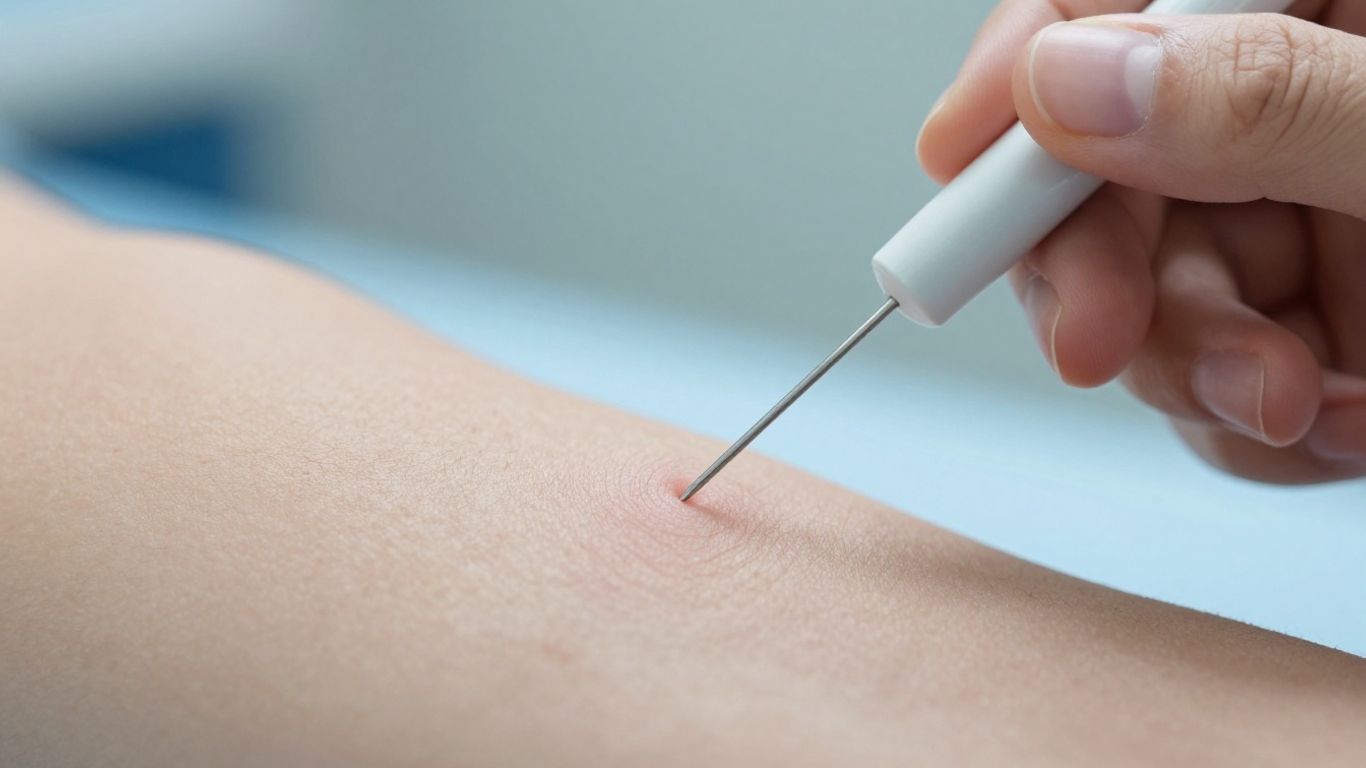
Okay, let's talk about the EMG test. If you're scheduled for one, you're probably wondering about the discomfort. It's totally normal to feel a bit anxious, especially when you hear words like 'needle' and 'electrical impulses.' But honestly, most people find it's not nearly as bad as they imagine.
What to Expect During Needle Insertion
So, the EMG involves a small needle, kind of like the ones used for acupuncture but a bit thicker. This needle is inserted into your muscle. When it goes in, you'll feel a quick prick, similar to a shot or having blood drawn. Some spots might be a little more sensitive than others, and that's perfectly normal. The needle itself is used to pick up the electrical signals your muscles make. It's not in there for long, and the discomfort is usually brief. Think of it as a temporary pinch rather than anything severe.
The Sensation of Electrical Pulses
Besides the needle, the other part of the test involves nerve conduction studies. Here, small electrodes are placed on your skin, and a mild electrical current is passed through. This feels like a little zap or a tingling sensation. It can be a bit surprising at first, and some people find it more annoying than painful. The intensity is controlled by the technician, and it's designed to be uncomfortable enough to get a good reading but not actually painful. It's over in seconds for each nerve they test.
Managing Anxiety Before and During the Test
Feeling nervous is understandable, but there are ways to make it easier. First, knowing exactly what to expect can really help. Don't hesitate to ask your doctor any questions you have beforehand. On the day of the test, try to relax your muscles as much as possible. Deep breathing exercises can be surprisingly effective. If you're really anxious, let your healthcare provider know; they can often offer reassurance or tips to help you stay calm. Remember, the whole point is to get answers about your nerve and muscle health, and the temporary discomfort is a small price to pay for that clarity.
Post-Procedure Sensations and Recovery
So, you've had your EMG test. What happens now? For the most part, you can expect to feel pretty much back to normal pretty quickly. The good news is that recovery is usually minimal, and most people can get right back to their day.
Temporary Muscle Soreness and Tenderness
It's pretty common to feel a bit sore in the muscles where the needles were inserted. Think of it like a mild workout soreness that might linger for a day or two. This tenderness is completely normal and should fade on its own. Sometimes, it might feel a little like a bruise in that spot, but it's usually not too bothersome.
- Manage discomfort: If the soreness is bothering you, try applying a cold pack for about 15-20 minutes at a time. Over-the-counter pain relievers like ibuprofen or acetaminophen can also help if needed.
- Gentle movement: Light stretching can sometimes ease muscle stiffness.
- Hydration: Drinking plenty of water can help your muscles recover.
Most of the time, any post-procedure soreness resolves within 24 to 48 hours. (per Cleveland Clinic) It's a small price to pay for getting important information about your nerve and muscle health.
Minor Bruising at Needle Sites
Don't be alarmed if you notice small red marks or even a little bruising where the needles went in. These are usually very minor and tend to disappear within a few days. (per Mayo Clinic) It's just a sign that the skin was penetrated, and it's a normal part of the process. You can think of it like a tiny mosquito bite that fades away.
Resuming Normal Activities Immediately
Unless your doctor tells you otherwise, you can pretty much jump right back into your regular routine after the test. This means you can usually drive yourself home, go back to work, and even do your usual exercises. There are generally no restrictions to worry about, so you don't need to plan for any significant downtime. (per MedlinePlus) It's a relief to know you can get back to your life without much interruption after understanding nerve and muscle function.
| Sensation | Duration | Management Tips |
|---|---|---|
| Muscle soreness/tenderness | 1-2 days | Ice packs, OTC pain relievers, gentle stretching |
| Minor bruising at sites | A few days | Usually resolves on its own |
| General fatigue | Minimal/None | Resume normal activities |
Potential Risks and When to Seek Further Care
While EMG tests are generally safe, like any medical procedure, there are a few things to be aware of. It's important to remember that serious complications are very rare. (per Mayo Clinic) Most people experience only minor, temporary side effects.
Understanding Rare Complications
In extremely uncommon situations, there's a small risk of complications. These can include:
- Bleeding: Minor bleeding at the needle insertion site is possible, especially if you're on blood thinners.
- Infection: Though unlikely, any time the skin is broken, there's a slight chance of infection.
- Nerve Injury: Direct injury to a nerve from the needle is a very rare occurrence. (per Cleveland Clinic)
It's crucial to communicate openly with your healthcare provider about any concerns you have before, during, or after the test. They can help manage expectations and address any issues that arise.
Signs of Infection or Excessive Bleeding
While most bleeding stops quickly, you should contact your doctor if you notice:
- Significant swelling or redness at the needle site that gets worse over time.
- Pus or drainage from the insertion points.
- Fever or chills.
- Bleeding that doesn't stop with gentle pressure after the test.
Addressing Persistent or Severe Pain
Some temporary soreness is normal, but if you experience severe or persistent pain that doesn't improve after a day or two, it's a good idea to get it checked out. This could be a sign of something more significant, though again, this is not common.
Factors Influencing EMG Test Experience
So, you're getting an EMG, and you're wondering what might make the experience a bit different for you compared to someone else. It's a good question! Several things can play a role in how you feel during and after the test. It's not just a one-size-fits-all situation.
The Role of Muscle Condition and Temperature
Ever notice how your muscles feel stiffer when you're cold or haven't moved in a while? That's because muscle condition and temperature really do matter for an EMG. Cold muscles don't conduct electrical signals as well, which can make the test a bit trickier to get clear readings from. If you tend to get cold easily, dressing in layers or bringing a light jacket to your appointment can be a smart move. Also, if a particular muscle has been injured or is generally in poor condition, it might react differently during the test. It's always a good idea to mention any recent injuries or ongoing muscle issues to your doctor before the test begins.
Impact of Medications on Test Results
Some medications can actually affect how your nerves and muscles respond to the electrical signals used in an EMG. For instance, certain drugs might alter nerve conduction speeds or muscle activity. Your healthcare provider will likely ask about all the medications you're currently taking, including over-the-counter ones and supplements. It's really important to be upfront about this. They might instruct you to temporarily stop taking certain medications before the test to ensure the results are as accurate as possible. Never stop taking prescribed medication without talking to your doctor first, though! (per Johns Hopkins Medicine)
Communication with Your Healthcare Provider
This is a big one. Don't be shy about talking to your doctor or the technician performing the EMG. If you're feeling anxious, have specific concerns about pain, or have had issues with similar tests before, let them know. They can explain things more thoroughly, offer reassurance, and adjust their approach if needed. For example, if you have a bleeding disorder or are on blood thinners, it's vital they know this beforehand. They might need to take extra precautions, but it doesn't necessarily mean you can't have the test. Being prepared and informed can make a world of difference in your overall experience. You can find more information about preparing for tests like these by looking into general lab test preparation.
Here's a quick rundown of things to consider:
- Temperature: Cold muscles can affect readings. Stay warm!
- Medications: Inform your provider about everything you take.
- Muscle Condition: Mention any recent injuries or chronic issues.
- Anxiety: Communicate your feelings to the medical team.
- Medical History: Disclose conditions like bleeding disorders or pacemakers. (per Johns Hopkins Medicine)
Being open and honest with your healthcare team about your physical state, medications, and any worries you have is the best way to ensure the EMG test is as smooth and informative as possible. They are there to help you through it.
The Value of EMG Test Information

So, you've gone through the EMG test, maybe with a bit of discomfort, but what's the payoff? Well, it turns out these tests are pretty important for figuring out what's going on with your nerves and muscles. They give doctors a look at how things are functioning, which is something imaging tests like MRIs can't always show you.
Pinpointing Nerve and Muscle Disorders
EMGs are like a detective tool for your body's electrical system. They help doctors figure out exactly where a problem might be and what kind of problem it is. This is super helpful for diagnosing all sorts of conditions, from carpal tunnel syndrome to more complex nerve damage or muscle diseases. Getting a precise diagnosis is the first big step toward feeling better. Without this information, it's like trying to fix a car without knowing what's broken.
Here's a quick look at what an EMG can help identify:
- Nerve Damage (Neuropathy): This can happen for many reasons, like diabetes or injury.
- Muscle Diseases: Conditions like muscular dystrophy or myositis.
- Nerve Root Compression: Often caused by things like herniated discs.
- Neuromuscular Junction Disorders: Such as myasthenia gravis, where nerves don't communicate well with muscles.
Guiding Treatment Planning
Once the EMG results are in, they don't just sit in a file. Your doctor uses this information to create a treatment plan that's actually tailored to you. (per MedlinePlus) Knowing the specifics of your nerve or muscle issue means the doctor can choose the right medications, physical therapy, or other interventions. It helps avoid guessing games and gets you on the path to recovery faster. It's all about making sure the treatment you get is the one most likely to work for your specific situation. This kind of detailed information can really make a difference in how effective treatment is.
The data from an EMG test provides a functional map of your neuromuscular system. This map is invaluable for distinguishing between different types of nerve and muscle problems, which often present with similar symptoms but require very different approaches to treatment. It moves beyond just describing symptoms to understanding the underlying cause.
Providing Peace of Mind Through Clarity
Let's be real, not knowing what's causing your symptoms can be really stressful. An EMG test, even with its temporary discomfort, can bring a lot of clarity. If the test shows a problem, you finally have an answer and can start addressing it. And if the test comes back normal, that's also valuable information. It can help rule out serious nerve or muscle conditions, giving you peace of mind and allowing your doctor to explore other potential causes for your symptoms. Knowing what's going on, or what's not going on, is a huge part of managing your health and well-being. It's about trading a bit of temporary discomfort for long-term understanding and relief from worry.
Conclusion
Getting an EMG test isn’t anyone’s idea of a fun day, but it can give you and your doctor important answers. Most people find the side effects—like soreness or minor bruising—are mild and go away pretty fast. Serious problems are rare, but it’s good to know what to watch for. If you have questions or something feels off after your test, don’t just tough it out—reach out to your doctor. Remember, the information from your EMG can help you get the right care and some much-needed peace of mind.
Frequently Asked Questions
Does the EMG test hurt?
Most people say it feels uncomfortable, like a quick pinch or zap. It’s not usually very painful, and the feeling doesn’t last long.
How long does muscle soreness last after an EMG?
Soreness usually goes away within a day or two. If it sticks around longer or gets worse, let your doctor know.
Can I go back to work or drive after my EMG test?
Yes, you can. Most people are fine to drive themselves home and do their normal activities right after the test.
What should I do if I see bruising or bleeding at the needle sites?
A little bruising is normal. If you notice heavy bleeding, redness, swelling, or pus, call your doctor.
Are there any serious risks with EMG testing?
Serious problems are very rare. Most people only notice mild soreness or small bruises. Infection or nerve injury is uncommon.
What if I’m nervous about the test?
That’s totally normal. Let your doctor or the person doing the test know how you feel—they can explain things and help you feel more comfortable.