Key Takeaways
- High TSH during pregnancy often means your thyroid isn't making enough thyroid hormone (hypothyroidism).
- Causes can include autoimmune conditions like Hashimoto's, iodine deficiency, or other medical issues.
- Untreated high TSH can pose risks to both mother (like preeclampsia) and baby (developmental issues) (per the NIH).
- Screening is important, especially for high-risk individuals, and diagnosis involves TSH, Free T4, and sometimes antibody tests.
- Treatment usually involves levothyroxine, with regular monitoring to adjust the dose as needed throughout pregnancy (per ACOG).
Understanding High TSH During Pregnancy: What It Means
Pregnancy is a time of incredible change for your body, and your thyroid gland is no exception. It works overtime to support both you and your growing baby. Sometimes, though, things can get a little out of balance, and you might hear about something called "high TSH." So, what exactly does that mean?
Normal Thyroid Function Changes in Pregnancy
Your thyroid gland produces hormones that control your metabolism – basically, how your body uses energy. During pregnancy, your body needs more thyroid hormones (per the NIH). This is partly because of hormones produced by the placenta and changes in how your body processes thyroid hormones. To meet this increased demand, your thyroid gland ramps up production. This often means that your Thyroid Stimulating Hormone (TSH) levels might actually be lower than they would be outside of pregnancy. TSH is like a messenger from your brain telling your thyroid to make more hormones. When your thyroid is working well and producing enough hormones, your TSH levels usually stay within a specific range. Understanding these normal shifts is key to interpreting any thyroid test results you get.
TSH Reference Ranges by Trimester
Because of these natural changes, the "normal" TSH levels during pregnancy are different from those when you're not pregnant. These ranges also shift slightly as your pregnancy progresses. It's important for your doctor to use these specific pregnancy ranges when looking at your results. Here's a general idea of what those ranges look like (per the Merck Manual):
| Test | Non-pregnant (mIU/L) | First Trimester (mIU/L) | Second Trimester (mIU/L) | Third Trimester (mIU/L) |
|---|---|---|---|---|
| Thyroid-Stimulating Hormone (TSH) | 0.3 to 4.3 | 0.1 to 2.5 | 0.2 to 3.0 | 0.3 to 3.0 |
Keep in mind that these are general guidelines, and your specific lab might have slightly different reference ranges. It's always best to discuss your results with your healthcare provider. They can interpret them in the context of your individual health and pregnancy. Getting a full blood test can give your doctor a broad overview of your health markers.
Symptoms of Elevated TSH That Are Often Missed
Sometimes, even with normal pregnancy changes, your thyroid might not be keeping up, leading to higher TSH levels. This is often a sign of hypothyroidism, where your thyroid isn't producing enough hormones. The tricky part is that the symptoms of hypothyroidism can be subtle and easily mistaken for normal pregnancy discomforts (per MedlinePlus). You might feel:
- Unusual fatigue: Beyond the typical tiredness of pregnancy, you might feel bone-weary.
- Feeling cold: Even when others are comfortable, you might find yourself constantly chilly.
- Constipation: A common pregnancy symptom, but a persistent or worsening case could be a sign.
- Dry skin and hair: Your skin might feel rougher, and your hair could become more brittle.
- Muscle aches or weakness: General achiness that doesn't seem to have another cause.
Because these symptoms overlap so much with what many people experience during pregnancy, they can often be overlooked or dismissed. This is why regular thyroid screening is so important, especially if you have risk factors. It's about catching potential issues early, even when you feel mostly okay.
Causes of High TSH During Pregnancy
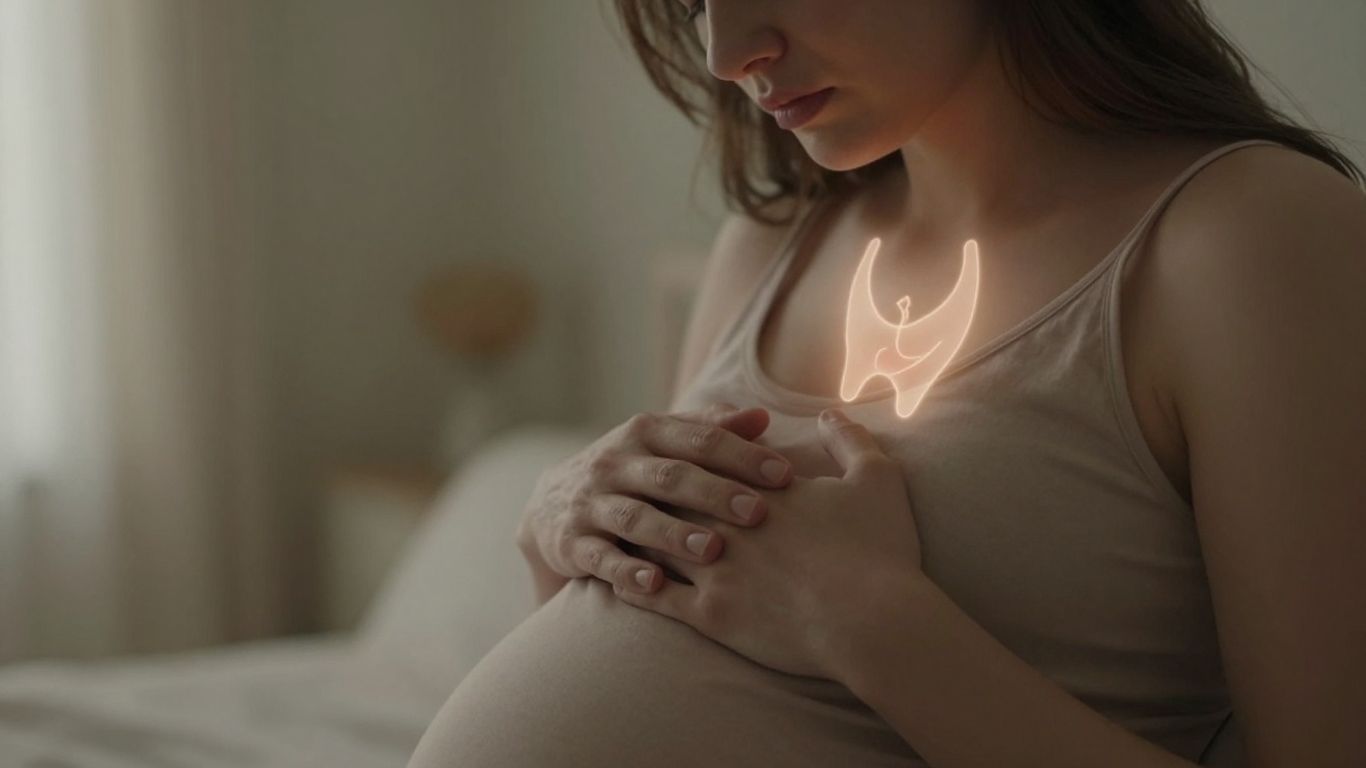
So, why might your TSH levels be higher than expected when you're pregnant? It's not always a straightforward answer, but there are a few common culprits.
Hashimoto’s Thyroiditis and Autoimmune Factors
This is probably the most frequent reason for an underactive thyroid, especially in places where people get enough iodine. Hashimoto's is an autoimmune condition where your body's immune system mistakenly attacks your thyroid gland (per the NIH). Over time, this can damage the thyroid and make it produce less hormone, leading to higher TSH. If you had it before pregnancy, it might flare up or require dose adjustments. It's a big reason why regular thyroid checks are so important for pregnant individuals.
Iodine Deficiency and Dietary Considerations
While less common in developed countries with fortified foods, iodine deficiency is still a significant cause of thyroid issues globally. Your thyroid needs iodine to make its hormones (per the NIH). If you're not getting enough, it can't keep up, and TSH will rise. This is something to be mindful of, especially if you have dietary restrictions or live in an area where iodine intake is generally low. Making sure your prenatal vitamins have adequate iodine is a good idea.
Medication, Prior Treatments and Other Medical Conditions
Sometimes, the cause isn't directly related to your current pregnancy. If you've had previous thyroid treatments, like radioactive iodine therapy or surgery, your thyroid function might be permanently affected. Certain medications can also interfere with thyroid hormone levels. Less commonly, issues with your pituitary gland or hypothalamus, which control the thyroid, can lead to elevated TSH. These underlying conditions need to be considered when evaluating high TSH during pregnancy. It's always best to discuss your full medical history with your doctor.
It's important to remember that many of these causes, especially autoimmune conditions and dietary factors, can be managed effectively with proper medical guidance and treatment. The key is early detection and consistent monitoring throughout your pregnancy.
Risks of High TSH During Pregnancy for Mother and Baby
Pregnancy Complications from Untreated Hypothyroidism
Sometimes, high TSH in pregnancy goes unnoticed and untreated. That can lead to bigger problems for both the parent and the baby. When thyroid function is too low, risks like preeclampsia, miscarriage, anemia, and even placental abruption can go up considerably (per ACOG).
Key complications include:
- Increased chance of miscarriage, especially in early pregnancy
- Higher risk for preeclampsia and gestational hypertension
- More likelihood of placental issues (like abruption)
- Greater odds of preterm birth and need for C-section
- Greater risk for postpartum hemorrhage
It can be tough to spot thyroid issues at a glance because so many symptoms overlap with regular pregnancy complaints.
Effects on Fetal Growth and Brain Development
The baby relies on the mother's thyroid hormones, especially early on, before their own thyroid kicks in (per the NIH). If a mother’s TSH is high and thyroid hormone is low, there can be impact:
- Slower fetal growth, sometimes resulting in low birth weight
- Developmental delays, especially around learning and memory later in childhood
- Possible effects on the baby's own thyroid if the hormone problem is severe
Long-Term Outcomes for Child and Maternal Health
It doesn’t always stop after birth. Unmanaged high TSH can affect everyone in the long run:
- Moms are more likely to have ongoing thyroid problems or get thyroiditis after pregnancy
- Kids exposed to under-treated hypothyroidism in the womb can have subtle neurodevelopmental trouble in school years
- Rarely, there’s a bigger risk for future metabolic and cardiovascular issues for both mom and child
Getting thyroid levels in the right range during pregnancy is not just about now—it’s a step to protect long-term health, too.
Managing TSH in pregnancy takes good communication and teamwork, and sometimes it means adjusting previous routines—like stopping certain supplements before thyroid tests. For example, biotin supplements can mess with thyroid labs, leading to confusing results. Read more about this risk with how biotin alters thyroid test accuracy.
Screening and Diagnosis of High TSH During Pregnancy

Figuring out if your thyroid is acting up during pregnancy can feel like a puzzle. Sometimes, the signs are super subtle, or they just blend in with all the other things you're feeling. That's where screening and proper diagnosis come in. It's all about catching potential issues early to keep both you and your baby healthy.
Who Should Be Screened and When
Not everyone needs the same level of thyroid screening. Generally, if you have certain risk factors, you'll likely be checked. This is often done at your first prenatal visit.
Here are some common reasons for thyroid testing during pregnancy (per ACOG):
- You're already taking thyroid medication.
- There's a family history of thyroid problems, especially autoimmune ones.
- You have a goiter (an enlarged thyroid gland).
- You have other autoimmune conditions, like type 1 diabetes.
- You've had thyroid issues before, like postpartum thyroiditis.
- You've had radiation therapy to your neck.
- You've previously had a baby with thyroid problems.
Even if you don't have these specific risk factors, some guidelines suggest universal screening for all pregnant individuals, especially in the first trimester. It's a good idea to talk to your doctor about what's recommended for you. Getting a handle on your thyroid health early is key, and understanding normal thyroid function changes in pregnancy can help put things in perspective.
How High TSH Is Diagnosed in Pregnancy
Diagnosing high TSH (Thyroid-Stimulating Hormone) during pregnancy relies on blood tests. When you get your blood drawn, they'll measure your TSH levels. The tricky part is that what's considered 'normal' changes depending on how far along you are in your pregnancy.
Here's a general idea of the trimester-specific TSH ranges, though your doctor will use the exact ranges provided by your lab:
| Trimester | TSH Reference Range (mIU/L) |
|---|---|
| First | 0.1 – 2.5 |
| Second | 0.2 – 3.0 |
| Third | 0.3 – 3.0 |
If your TSH level is higher than these ranges, it might indicate hypothyroidism. It's important to remember that these are just guidelines, and your doctor will consider your individual situation. Sometimes, symptoms can be missed because they're similar to normal pregnancy discomforts.
A TSH level that's too high means your thyroid isn't producing enough thyroid hormone. This can affect your energy levels, body temperature, and many other functions. During pregnancy, it's especially important to get this checked because thyroid hormones are vital for your baby's development.
Importance of Additional Thyroid Testing (Free T4, Antibodies)
Just measuring TSH is often the first step, but it's usually not the whole story. To get a clearer picture, doctors often order more tests (per the NIH).
- Free T4 (Thyroxine): This measures the amount of active thyroid hormone available in your blood. If your TSH is high, your Free T4 might be low, confirming overt hypothyroidism. If your Free T4 is normal but TSH is high, it's called subclinical hypothyroidism.
- Thyroid Antibodies (like TPO antibodies): These tests can help identify if an autoimmune condition, such as Hashimoto's thyroiditis, is the cause of your thyroid issue. Knowing the cause is important for managing the condition effectively.
Sometimes, even if your TSH is normal, but you have symptoms or risk factors, further testing might be done. It's all about making sure we have the most accurate information to guide treatment and care. If you're dealing with hyperthyroidism in pregnancy, the testing approach is similar but looks for different results.
Treatment and Monitoring of High TSH in Pregnant Women
So, you've found out your TSH levels are a bit higher than expected during pregnancy. It's natural to feel a little worried, but the good news is there are established ways to manage this. The main goal is to get your thyroid hormone levels back into a healthy range for both you and your baby.
Levothyroxine Therapy and Dose Adjustments
For most pregnant individuals with hypothyroidism, the go-to treatment is levothyroxine, a synthetic thyroid hormone. It's essentially replacing what your body isn't producing enough of. Your body's need for thyroid hormone often increases during pregnancy, sometimes by as much as 50% (per the NIH). This means your doctor will likely start you on a dose and then keep a close eye on your levels, adjusting as needed. It's really important to take your levothyroxine exactly as prescribed, usually on an empty stomach in the morning, to make sure your body absorbs it properly.
Monitoring Schedules and Targets for TSH
Keeping track of your thyroid levels is key. Your doctor will want to check your TSH levels regularly. The frequency of these checks can vary, but it's common to have them done (per ACOG):
- Early in pregnancy, around 4 to 6 weeks after starting or adjusting medication.
- Every 4 to 6 weeks until your levels are stable and within the target range, usually up to about 20 weeks of gestation.
- Then, again around 24 to 28 weeks and 32 to 34 weeks of gestation.
The target TSH level during pregnancy is generally lower than in non-pregnant individuals. For the first trimester, the goal is often a TSH below 2.5 mIU/L, and for the second and third trimesters, it's typically below 3.0 mIU/L (per the Merck Manual). These targets help ensure your baby's development, especially brain development, is supported. It's all about maintaining a healthy balance, and your doctor will work with you to achieve optimal thyroid function.
Managing thyroid levels during pregnancy is a dynamic process. It requires regular monitoring and adjustments to medication. The aim is always to keep both mother and baby healthy by maintaining thyroid hormone levels within the recommended pregnancy ranges. Don't hesitate to ask your healthcare provider about your specific treatment plan and what to expect.
Managing Subclinical Hypothyroidism and Special Considerations
What about subclinical hypothyroidism, where TSH is elevated but free T4 levels are still normal? The approach can vary. Some guidelines suggest treatment if TPO antibodies are present, as this might indicate an autoimmune process like Hashimoto's thyroiditis. However, for those without antibodies, the decision to treat might be more individualized, weighing potential benefits against uncertainties. Your doctor will consider your specific situation, including any history of thyroid issues or other autoimmune conditions, when making this call. It's a good idea to discuss all your concerns and any other medical conditions you have with your healthcare team.
Guidelines and Evolving Approaches to High TSH During Pregnancy
It feels like medical advice is always changing, doesn't it? When it comes to thyroid levels during pregnancy, this is definitely true. For a long time, there were pretty strict numbers everyone aimed for, especially with TSH. But now, things are getting a bit more nuanced, which is good news for many moms-to-be.
Personalized Treatment versus Strict Cutoffs
The old way of thinking often involved very specific TSH numbers, like keeping it below 2.5 mIU/L in the first trimester. If it was higher, treatment was usually recommended. However, research has shown that this one-size-fits-all approach might not be the best for everyone. Now, healthcare providers are looking more at the individual picture. This means considering your age, overall health, and even how your body typically responds to thyroid hormones. It's less about hitting an exact number and more about making sure your thyroid is functioning optimally for you and your baby.
Role of Thyroid Antibodies in Risk Assessment
It turns out that TSH levels aren't the only thing that matters. For a while, the focus was heavily on TSH, but we're learning more about other markers. For instance, the presence of thyroid antibodies, like anti-TPO antibodies, can sometimes be a better indicator of potential problems than TSH alone. If these antibodies are present, it might suggest a higher risk for certain pregnancy complications, even if your TSH levels are only slightly elevated. This is why doctors might order extra tests to get a fuller understanding of your thyroid health. It’s all part of getting a more complete picture before making treatment decisions.
Updates from Leading Endocrine Societies
Major medical groups, like the American Society for Reproductive Medicine (ASRM) and others, have been updating their recommendations. They're moving towards a more individualized approach, which is a big shift. These updated guidelines often suggest looking at a broader range of thyroid tests, not just TSH. This can include checking your free T4 levels and, as mentioned, thyroid antibodies. The goal is to avoid unnecessary treatment while still making sure that anyone who truly needs support gets it. It’s about balancing caution with personalized care. You can find more details on these updated recommendations in clinical guidelines for managing thyroid disorders during pregnancy.
The evolving guidelines highlight a move away from rigid numerical targets towards a more holistic and personalized assessment of thyroid function during pregnancy. This approach aims to optimize maternal and fetal health by considering individual patient factors and a wider array of thyroid markers, rather than relying solely on TSH values.
Preconception and Postpartum Thyroid Health
Getting your thyroid in good shape before you even think about getting pregnant is a really smart move. It sets the stage for a healthier pregnancy overall. For women who already know they have a thyroid condition, like hypothyroidism, it’s super important to talk to your doctor before you start trying to conceive. Optimizing your thyroid levels beforehand can significantly lower the risk of miscarriage and help with fertility (per ACOG). Your doctor might adjust your medication, often levothyroxine, to make sure your TSH levels are in the ideal range for pregnancy. This isn't just a quick check; it's about making sure your body is ready for the big changes ahead.
Optimizing Thyroid Function Before Conception
So, what does "optimizing" actually mean? It's more than just getting a TSH number within a certain range. It involves a few key steps:
- Get a Full Thyroid Panel: Don't just stop at TSH. Ask for tests that check your free T4 and free T3 levels, and if you have a history of thyroid issues, checking thyroid antibodies (like TPOAb and TgAb) can be really helpful too. This gives a clearer picture of how your thyroid is actually working.
- Address Nutritional Needs: Certain nutrients are vital for thyroid health. Make sure you're getting enough iodine, selenium, and zinc. If you're considering a low iodine diet for any reason, like before certain medical treatments, it's important to do so under medical supervision to avoid deficiencies.
- Lifestyle Factors: Chronic stress can mess with your hormones, including thyroid hormones. Finding ways to manage stress, like through mindfulness, exercise, or hobbies, can make a difference.
- Medication Review: If you're on thyroid medication, work with your doctor to ensure your dose is stable and appropriate for preconception. Sometimes, an increase is needed even before pregnancy is confirmed.
It's really about being proactive. Thinking about your thyroid health as part of your overall reproductive health plan can make a big difference in how smoothly things go when you decide to start a family.
Adjusting Thyroid Medication Immediately After Birth
Once the baby arrives, things change again, and your thyroid medication needs might shift. For many women, especially those who needed higher doses during pregnancy, the dose of levothyroxine often needs to be reduced back to the pre-pregnancy level (per the NIH). This usually happens within a few weeks after delivery, typically over a four-week period. It's important to have your TSH checked again during this postpartum period to make sure the dose is correct. This helps prevent symptoms of over- or under-treatment, which can be tricky to distinguish from normal postpartum fatigue or baby blues.
Postpartum Thyroiditis and Long-Term Follow-Up
Postpartum thyroiditis is a common condition that can pop up in the first year after giving birth. It's an autoimmune issue where your thyroid might become overactive for a bit, then underactive, and sometimes it goes back to normal. Women who've had postpartum thyroiditis have a higher chance of developing permanent hypothyroidism later in life (per the NIH). So, regular check-ups, usually an annual TSH test, are recommended. This ongoing monitoring helps catch any lasting changes and ensures you get the right support for your thyroid health throughout your life.
Conclusion
Dealing with high TSH during pregnancy might seem a bit daunting, but remember, it's a common situation that doctors are well-equipped to handle. Understanding what's going on with your thyroid is the first step. With proper screening, diagnosis, and management, usually involving medication like levothyroxine, you and your baby can stay healthy throughout the pregnancy and beyond. Don't hesitate to talk to your healthcare provider about any concerns; they are there to guide you through this.
Frequently Asked Questions
What does it mean if my TSH is high during pregnancy?
When your TSH (Thyroid-Stimulating Hormone) level is high during pregnancy, it usually means your thyroid gland isn't making enough thyroid hormone. This condition is called hypothyroidism. Think of TSH as a messenger from your brain telling your thyroid to work harder. If TSH is high, the message is 'work harder!' because not enough hormone is being produced.
Is high TSH dangerous for my baby?
Yes, it can be. If hypothyroidism isn't treated, it can affect your baby's growth and brain development (per the NIH). Thyroid hormone is super important for a baby's development, especially their brain. That's why doctors keep a close eye on TSH levels and treat it if needed.
What are the common reasons for high TSH in pregnant women?
One of the most common reasons is an autoimmune condition called Hashimoto's thyroiditis, where your body's own defense system attacks your thyroid (per the NIH). Sometimes, not getting enough iodine in your diet can also cause it. Other things like past thyroid treatments or certain medical conditions can play a role too.
How do doctors check for high TSH during pregnancy?
Doctors typically check your TSH levels with a simple blood test. They usually do this as part of your regular prenatal care. If the TSH level is high, they might order more tests, like checking your Free T4 (another thyroid hormone) and sometimes thyroid antibodies, to get a clearer picture (per the NIH).
What is the treatment for high TSH during pregnancy?
The most common treatment is a medication called levothyroxine (per the NIH). It's basically a synthetic version of the thyroid hormone your body needs. Doctors will give you a specific dose and monitor your TSH levels regularly to make sure the medication is working correctly and adjust the dose if needed.
Will my TSH levels go back to normal after the baby is born?
Often, yes. Many women's thyroid levels return to normal after giving birth. However, some might continue to have thyroid issues. Your doctor will likely want to check your thyroid levels again a few weeks after delivery and may recommend ongoing monitoring, especially if you experienced postpartum thyroiditis (per the NIH).
Sources
- National Institute of Diabetes and Digestive and Kidney Diseases (NIDDK) — Thyroid Disease & Pregnancy
- American College of Obstetricians and Gynecologists (ACOG) — Thyroid Disease and Pregnancy
- Merck Manual Professional Version — Thyroid Disorders in Pregnancy
- MedlinePlus — Thyroid Diseases in Pregnancy