
Understanding the D-Dimer Blood Test: Purpose, Interpretation, and What to Expect
The D-dimer blood test is often used when doctors want to check for blood clots or rule them out. Here are some of the most important things to know:
Key Takeaways
- A D-dimer blood test measures a protein that shows up when blood clots break down.
- It helps doctors check for blood clot problems like DVT, PE, or DIC.
- A normal result usually means you don’t have a big blood clotting problem right now.
- Many things besides clots—like surgery, pregnancy, or infection—can raise your D-dimer level.
- Always talk to your doctor about your results to understand what they mean for you.
Understanding the D-Dimer Blood Test
What Is a D-Dimer Test?
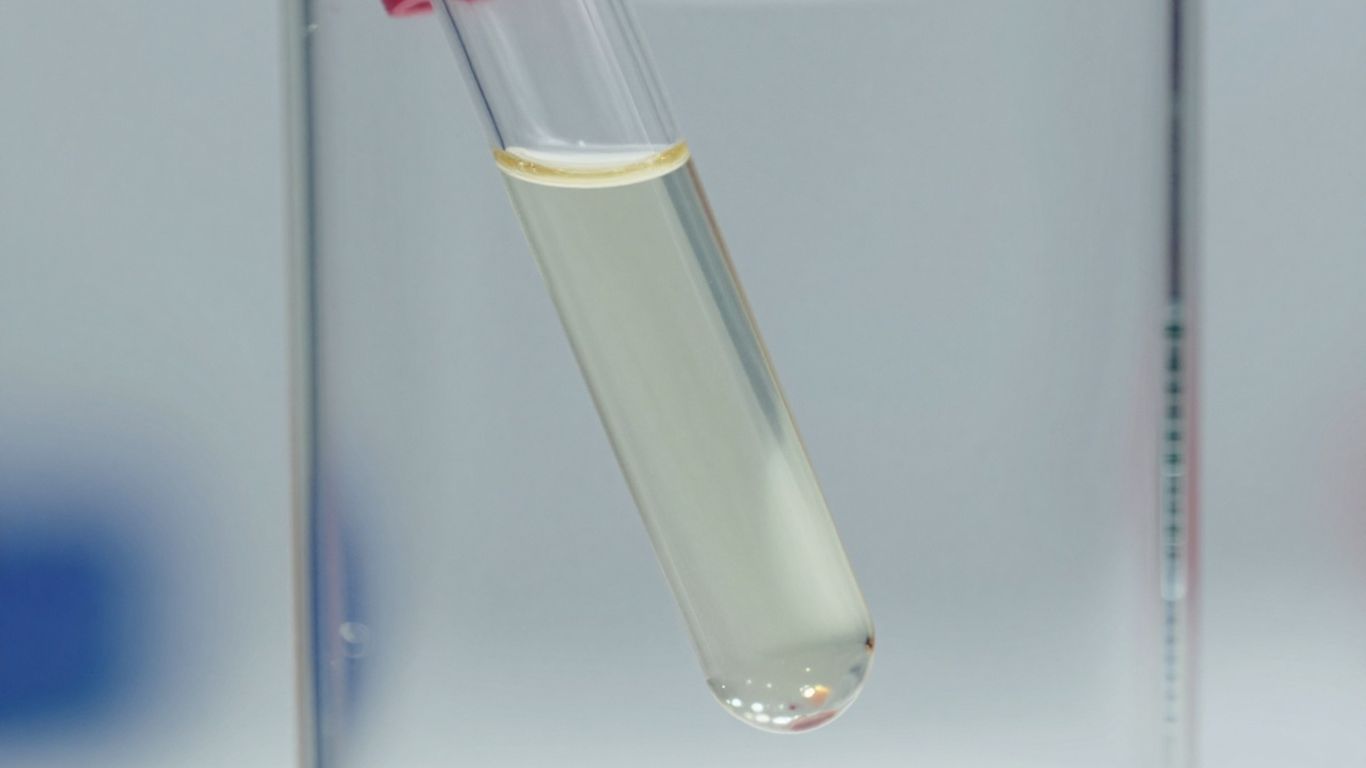
A D-dimer test is a blood test that looks for a specific substance in your blood. This substance, called D-dimer, is a tiny piece of protein that your body creates when a blood clot starts to break down. (per MedlinePlus) Normally, your body doesn't make much D-dimer, or it's present in very small amounts. You'll usually only see higher levels if your body is actively forming and dissolving blood clots. It's a way for your doctor to get a clue about what might be going on inside.
How Blood Clotting Works
Think of blood clotting as your body's built-in repair system. When you get a cut or an injury, your body springs into action to stop the bleeding. It's a pretty amazing process. Tiny cell fragments called platelets rush to the site of injury and stick together. Then, a complex chain reaction involving proteins in your blood, called clotting factors, kicks in. This leads to the formation of fibrin, which creates a mesh-like net. This net traps more platelets and red blood cells, forming a stable clot that seals the wound. Once the injury heals, your body has another system to break down these clots so they don't just hang around forever. This breakdown process releases fragments, and D-dimer is one of them. When this clotting and dissolving process is happening more than usual, D-dimer levels can go up.
Key Facts About the D-Dimer Test
Here are some important things to remember about the D-dimer test:
- It's a blood test that helps check for problems with blood clotting.
- It measures how much D-dimer, a protein fragment from dissolving clots, is in your blood.
- A positive result, meaning higher levels, might suggest you have a blood clot, but it's not a definite answer on its own.
- Sometimes, D-dimer levels can be higher even if there isn't a clot present.
- Always talk to your doctor about what your specific results mean for you.
It's important to remember that a D-dimer test is often used to help rule out certain conditions. A negative result is usually very good at showing that a significant blood clot is unlikely. However, a positive result needs more investigation because many things can cause it to be elevated.
Purpose of the D-Dimer Blood Test
So, why exactly would a doctor order a D-dimer test? It's primarily used to help figure out if there might be a problem with blood clots forming or breaking down in your body. When you get a cut or injury, your body naturally forms a clot to stop the bleeding. This is a good thing! But sometimes, clots can form when they're not supposed to, or they might not break down properly afterward. That's where the D-dimer test comes in.
When Is a D-Dimer Test Used?
Doctors often consider this test when they suspect you might have a condition involving abnormal blood clotting. It's not usually the first test they'll run, but it can be a helpful piece of the puzzle, especially when combined with your symptoms and medical history. The main goal is often to rule out serious clotting issues.
Here are some common scenarios where a D-dimer test might be ordered:
- Suspected Deep Vein Thrombosis (DVT): This is when a blood clot forms in a deep vein, usually in your legs. Symptoms can include swelling, pain, and warmth in the affected limb. (per CDC)
- Suspected Pulmonary Embolism (PE): This happens when a blood clot travels to your lungs. Signs might include sudden shortness of breath, chest pain, or coughing up blood. (per CDC)
- Disseminated Intravascular Coagulation (DIC): This is a more complex condition where widespread clotting occurs throughout the body, which can paradoxically lead to bleeding because clotting factors get used up. The D-dimer test can help monitor treatment for DIC. (per MedlinePlus)
- Investigating abnormal bleeding: In some cases, it might be used if there's unexplained bleeding, as it can sometimes relate to clotting issues.
Indications for D-Dimer Testing
Think of the D-dimer test as a screening tool. If the test comes back negative, it's quite good at suggesting that a serious clot isn't the cause of your symptoms. (per Mayo Clinic) This can help doctors avoid ordering more invasive or expensive tests. However, a positive result doesn't automatically mean you have a clot; it just means more investigation is likely needed. It's important to remember that other things can cause D-dimer levels to rise, like recent surgery, trauma, pregnancy, or certain medical conditions. So, a positive result needs to be interpreted carefully by your doctor.
Diagnosing and Monitoring Blood Clotting Conditions
While the D-dimer test is useful, it's rarely used alone to make a diagnosis. It's more of a starting point. For instance, if a D-dimer test is positive, your doctor might order imaging tests like an ultrasound or CT scan to pinpoint the location and extent of any potential clot. For conditions like DIC, the D-dimer test is also valuable for tracking how well treatment is working over time. Seeing the D-dimer levels decrease can be a good sign that the treatment is effective.
It's really about using the D-dimer test as one tool among many. It helps doctors decide which direction to go next in figuring out what's causing your symptoms, especially when blood clots are a possibility. The test itself is just a blood draw, but the information it provides can guide further medical steps.
| Condition Suspected | Role of D-Dimer Test |
|---|---|
| Deep Vein Thrombosis (DVT) | Helps rule out DVT if negative |
| Pulmonary Embolism (PE) | Helps rule out PE if negative |
| Disseminated Intravascular Coagulation (DIC) | Aids in diagnosis and monitors treatment effectiveness |
Interpreting D-Dimer Test Results
So, you've had the D-dimer test done, and now you're probably wondering what those results actually mean. It's not always a straightforward 'yes' or 'no' answer, and that's totally normal. Let's break down how to make sense of it.
What Normal D-Dimer Results Mean
Generally, a
What to Expect During the D-Dimer Test
So, you need to get a D-dimer test done. It's a pretty standard procedure, and honestly, it's not something you need to stress too much about. Most of the time, it's done at a clinic or a hospital lab. You don't usually need to do anything special to get ready for it, like fasting or anything like that. Just show up as you are.
Where to Get a D-Dimer Test
Your doctor will likely give you a referral to a specific lab or clinic. Sometimes, if you're already at the doctor's office for something else and they decide to order the test, they might even draw the blood right there. But more often than not, you'll head to a dedicated lab or a hospital's outpatient lab. If you're looking for options, you can often find private diagnostic testing services that offer D-dimer tests, which can be a convenient way to get it done without going through your primary doctor for every single test.
Preparing for Your D-Dimer Test
Good news here: preparation is usually a breeze. For a D-dimer test specifically, there aren't any special dietary restrictions or activities you need to avoid beforehand. (per MedlinePlus) Just make sure you're hydrated, as that can sometimes make finding a vein a bit easier. If you're having other blood tests done at the same time, though, it's always a good idea to double-check with your doctor or the lab. They might have specific instructions for those other tests, like needing to fast.
The Blood Draw Experience
Alright, let's talk about the actual blood draw. It's a pretty quick process. A healthcare professional will find a vein, usually in your arm, and clean the area. Then, they'll insert a needle connected to a collection tube. You might feel a sharp pinch or a brief sting when the needle goes in. Some people feel a bit of discomfort, while others barely notice it. The most important thing is to try and relax.
Here's a general idea of what happens:
- Vein Selection: The phlebotomist (the person drawing your blood) will look for a suitable vein, typically on the inside of your elbow.
- Cleaning: The chosen spot will be cleaned with an antiseptic wipe.
- The Draw: A needle will be inserted into the vein. You'll see the blood flowing into a small tube. This tube usually contains an anticoagulant, like sodium citrate, to prevent the blood from clotting right away in the tube. This is how the blood sample is preserved for testing.
- Pressure: Once enough blood is collected, the needle is removed, and pressure is applied to the site with a cotton ball or gauze.
- Bandage: A bandage will be placed over the puncture site.
Afterward, you might feel a little tender at the spot, and sometimes a small bruise can form, but that's usually it. You'll be able to go about your day as normal.
It's always a good idea to let the person drawing your blood know if you feel lightheaded or dizzy at any point. They are trained to handle these situations and can help you feel more comfortable.
Limitations and Considerations
While the D-dimer test is a useful tool, it's not perfect. It's important to understand its limitations to get the full picture.
Specificity and Predictive Value
The D-dimer test is highly sensitive, meaning it's good at detecting when something might be wrong. However, it's not very specific. This means a positive result doesn't automatically confirm a blood clot. Lots of things can make your D-dimer levels go up, even if you don't have a clot. This is why a positive D-dimer usually needs to be followed up with other tests, like imaging scans, to confirm or rule out a clot. A negative result, on the other hand, is generally quite reliable for ruling out a clot, especially in lower-risk individuals. This test's sensitivity is its strong suit, but its low specificity is a key point to remember.
Other Causes of Elevated D-Dimer
So, what else can cause a D-dimer level to be higher than normal? Plenty of things, actually. Things like recent surgery, trauma, infection, cancer, pregnancy, and even just being older can all lead to elevated D-dimer levels. (per Cleveland Clinic) Inflammatory conditions can also play a role. It's why doctors have to consider your whole health picture, not just one number from a blood test. They'll look at your symptoms, your medical history, and other factors before making a diagnosis.
Here's a quick look at some common reasons for a higher D-dimer:
- Recent surgery or injury
- Infection or inflammation
- Cancer
- Pregnancy
- Liver disease
- Heart disease
- Advanced age
Discussing Results with Your Doctor
It's really important to talk through your D-dimer results with your doctor. They're the ones who can put the number into context with everything else going on with your health. Don't try to self-diagnose based on the result alone. Your doctor will consider:
- Your symptoms and how long you've had them.
- Your medical history, including any past clotting issues or risk factors.
- Other medications you're taking.
- The results of any other tests you've had.
Remember, a D-dimer test is just one piece of the puzzle. It's a helpful screening tool, but it's rarely the final answer on its own. Always rely on your healthcare provider for accurate interpretation and next steps in your care.
If you're getting tested at a place like Labcorp, you can trust that the sample collection is done by trained professionals, which helps ensure accuracy. Professional sample collection is a big part of getting reliable results.
Conclusion
The D-dimer blood test is a simple way to check for problems related to blood clotting. It’s not a test that gives you all the answers, but it does help your doctor figure out if you might have a clotting issue or if something else could be going on. Remember, lots of things can affect your D-dimer level, so it’s important to talk through your results with your doctor. If you ever feel unsure or have symptoms that worry you, don’t wait—reach out to your healthcare provider and ask questions. It’s always better to be safe and get the right advice for your situation.
Frequently Asked Questions
What is a D-dimer blood test?
A D-dimer test is a blood test that checks for a protein made when your body breaks down blood clots. It helps doctors see if you might have a blood clotting problem.
Do I need to prepare for a D-dimer test?
No, you don’t need to do anything special to prepare for this test. Just show up for your blood draw like you would for any other regular blood test.
Does a high D-dimer always mean I have a blood clot?
Not always. Other things like being sick, having surgery, or even being pregnant can make your D-dimer go up. It doesn’t always mean you have a blood clot.
Where can I get a D-dimer test done?
Most people get this test at a hospital, a lab, or sometimes at their doctor’s office. Your doctor will tell you where to go.
What happens during the blood draw?
A nurse or lab worker will use a small needle to take blood from your arm. You might feel a quick pinch, but it’s usually fast and not too painful.
What should I do if my D-dimer is high?
Talk to your doctor. They might want to do more tests or ask about your symptoms to figure out what’s going on. Don’t try to guess what it means on your own.
## Sources - [MedlinePlus — D-Dimer Test](https://medlineplus.gov/lab-tests/d-dimer-test/) - [Centers for Disease Control and Prevention — What is Venous Thromboembolism?](https://www.cdc.gov/ncbddd/dvt/facts.html) - [Mayo Clinic — D-dimer test](https://www.mayoclinic.org/d-dimer-test/about/pac-20492955) - [Cleveland Clinic — D-Dimer Test](https://my.clevelandclinic.org/health/diagnostics/23091-d-dimer-test)