
Key Takeaways
- The NfL blood test through LabTestsOnDemand costs $350, with no hidden fees or insurance billing.
- This test measures Neurofilament Light Chain (NfL), a protein that indicates nerve cell injury but is not specific to any one disease (per NIH).
- The process is straightforward: order online, receive instructions, have blood drawn at a Labcorp patient service center, and get your results securely.
- It's critical to understand this test does not diagnose Alzheimer's disease or any other neurological condition.
- Results should always be reviewed with a qualified healthcare provider, who can interpret them in the context of your overall health and symptoms.
Understanding The Labcorp Alzheimer's Test Cost
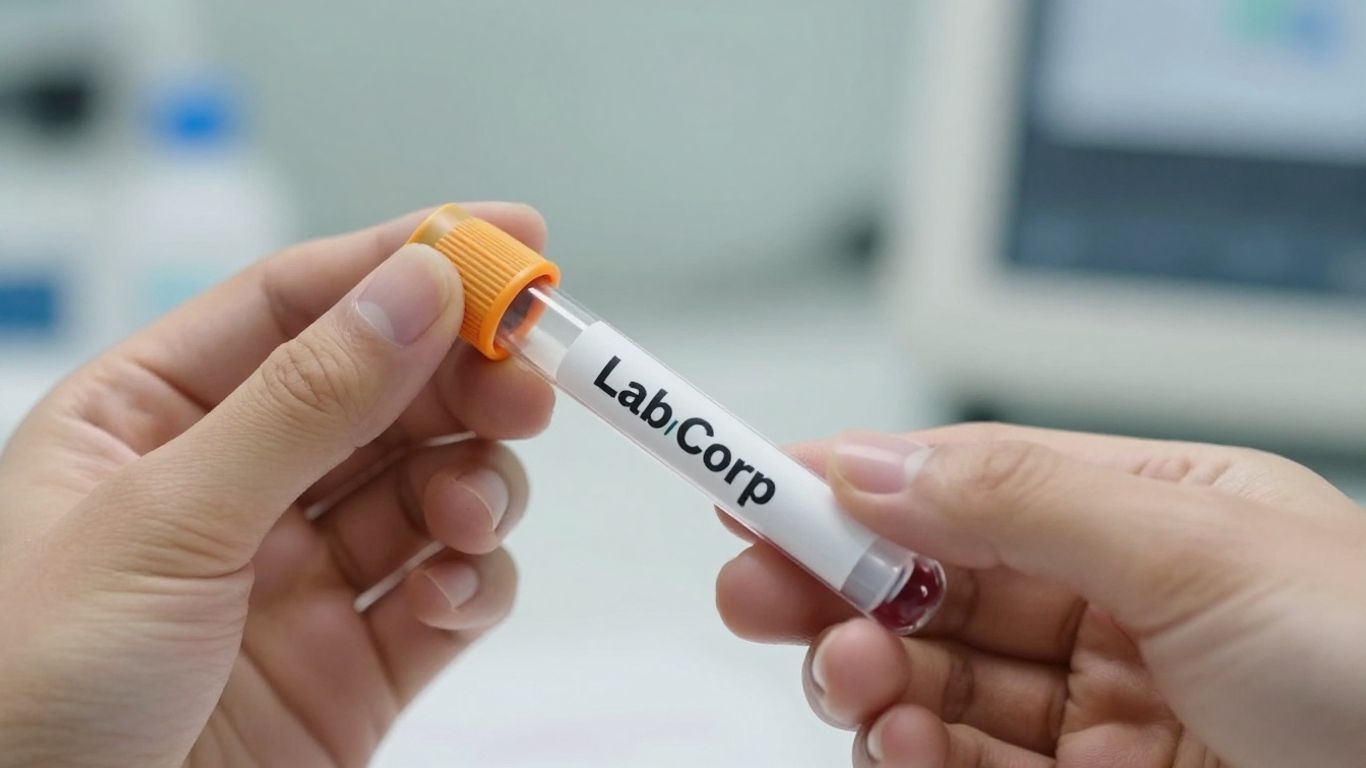
When considering your brain health, particularly if you're noticing changes or have concerns, understanding the cost of testing can be an added stress. Labcorp provides a way to gather information through a blood test, and it's helpful to know the price upfront. This test is not about getting a diagnosis, but about collecting a data point for a more informed health discussion.
Direct Access Testing For Brain Health Insight
Labcorp's partnership with services like LabTestsOnDemand makes certain tests, such as the NfL (Neurofilament Light Chain) blood test, available directly to consumers. This approach, often called direct access testing, allows you to order a test online without a prior doctor's referral. You then visit a Labcorp location for the blood draw and receive your results electronically. This model can bypass some traditional steps in the healthcare system, potentially saving time. It's designed for individuals wanting to take a proactive step in understanding their neurological health.
The $350 Price Point Explained
The Neurofilament Light Chain (NfL) blood test available through LabTestsOnDemand is set at a flat fee of $350. This upfront price covers the test itself, the required lab order, and the blood draw service at a Labcorp facility. It is important to note this fee is for a specific lab measurement, not for a medical consultation, diagnosis, or treatment plan. Think of it as purchasing a specific piece of data about your nerve cell health, which is a different model from traditional insurance-based testing that can have unpredictable final costs.
Why Upfront Pricing Matters
One of the primary benefits of a direct-access test with a fixed price is the financial transparency it offers. You know the exact cost before placing an order. This helps avoid the common issue of surprise medical bills that can occur when using insurance, where coverage and final patient responsibility can be uncertain. For many people, this predictability provides peace of mind and allows for better financial planning. This transparency is a key reason individuals may opt for a direct-to-consumer testing route.
- Clear Cost: You pay a single, upfront price of $350 for the test and lab draw.
- No Insurance Hassle: LabTestsOnDemand does not bill insurance, helping you avoid claim denials or unexpected copayments.
- Budget-Friendly: Knowing the exact cost makes it easier to plan and budget for.
- Predictable Process: The financial part of the process is clear from start to finish.
The goal of this model is to provide a data point about your nerve health without the financial uncertainty that often accompanies medical testing. It offers a clear path for those seeking more information to discuss with their healthcare provider.
Navigating The NfL Blood Test Process
If you are considering the NfL blood test, the process is designed to be straightforward. LabTestsOnDemand simplifies ordering and payment by not involving insurance providers.
Ordering Your Test Online
First, you visit the LabTestsOnDemand website. You select the NfL Blood Test and proceed through a private and secure checkout process. This is where you pay the fixed $350 fee. The entire order is completed online at your convenience.
Completing Your Blood Draw At Labcorp
After your order is complete, LabTestsOnDemand will email you the necessary lab order and instructions. Do not go to Labcorp until you have received this paperwork. You will take the order to a Labcorp patient service center for a routine blood draw. This is not an at-home test; it requires a visit to a professional lab facility. Labcorp has a large network of locations, making it convenient to find one nearby.
Receiving And Reviewing Your Results
Once your blood sample is collected, Labcorp processes it, and LabTestsOnDemand delivers the results to you through a secure portal. It is essential to remember that these results are not a diagnosis. They are a single data point. The results are meant to be reviewed with a qualified healthcare provider. This information can facilitate a more productive conversation about your brain and nerve health, especially if you have been experiencing symptoms like memory changes or brain fog.
Here's a quick rundown of the steps:
- Order Online: Visit LabTestsOnDemand and complete your purchase.
- Get Instructions: Receive an email with your lab order and instructions.
- Visit Labcorp: Go to a Labcorp location for your blood draw.
- Receive Results: Get your results securely delivered.
- Consult a Provider: Discuss your results with a healthcare professional for proper interpretation.
This test provides a biomarker measurement. It is not a diagnostic tool and should always be interpreted by a medical professional within the broader context of your personal health history and symptoms.
What The NfL Blood Test Measures
The test is designed to measure a protein called Neurofilament Light Chain, or NfL. NfL is a component of nerve cells (neurons) that is released into the cerebrospinal fluid and bloodstream when neurons are damaged. It is a general biomarker that can indicate ongoing nerve cell stress or injury (per NIH).
Understanding Neurofilament Light Chain
An elevated NfL level is not specific to any single condition; it is a general indicator of neuroaxonal damage (per NIH). Many different neurological conditions can cause NfL levels to rise, including Alzheimer's disease, multiple sclerosis (MS), amyotrophic lateral sclerosis (ALS), frontotemporal dementia, and traumatic brain injury (per NIH). Therefore, the test cannot tell you why the nerve cells are damaged or what specific condition is causing it (per NIH). It is a piece of information, not a standalone diagnosis.
Biomarkers Associated With Nerve Cell Injury
Diagnosing conditions like Alzheimer's disease is complex and often involves looking at multiple biomarkers (per Mayo Clinic). While NfL indicates general nerve damage, other biomarkers are more closely linked to the specific changes seen in Alzheimer's disease. These include amyloid-beta (Aβ) and tau proteins (per NIH). For example, a lower ratio of Aβ42 to Aβ40 and higher levels of phosphorylated tau (p-tau) in the blood are considered core biomarkers for Alzheimer's pathology (per NIH).
Distinguishing NfL From Diagnostic Tests
It is crucial to understand that the NfL blood test is not a diagnostic test. A diagnosis of Alzheimer's disease is based on a comprehensive evaluation by a healthcare provider, which may include reviewing medical history, cognitive and functional tests, brain imaging (MRI or PET scans), and sometimes biomarker tests like those for amyloid and tau (per Mayo Clinic). The NfL test result alone cannot confirm or rule out any specific condition. It is a tool designed to provide supplementary information for you and your healthcare provider to consider as part of a larger clinical picture.
Who Should Consider The NfL Blood Test
This NfL blood test may be useful in specific situations, but it is not for everyone. It could be a step for those who are experiencing persistent, concerning cognitive changes and want an objective data point to discuss with their doctor.
Addressing Concerns About Cognitive Changes
It's normal to have occasional memory lapses, especially with age. However, if you experience more significant memory problems or other cognitive changes that interfere with daily life, it's wise to see a doctor (per MedlinePlus). If you find yourself constantly worried about whether mild memory slips or brain fog are just signs of aging or something more, this test can provide a measurable data point related to nerve health. It is a way to gather information before a medical consultation to help guide the conversation.
Seeking Information Before Provider Consultations
Getting an appointment with a specialist can sometimes involve a long wait. This test provides a way to gather some information privately and on your own terms. You can order it, get the result, and bring that information to your next doctor's appointment. It does not replace medical advice, but it can be a valuable piece of the puzzle, allowing you to have a more informed discussion about your brain health from the start.
The Role Of Family History In Testing Decisions
Having a family history of a neurological condition like Alzheimer's disease can be a source of concern (per CDC). While this test is not predictive, it might be considered by those who wish to be proactive in monitoring their health. It's important to remember that many factors, including age, can influence NfL levels, so discussing the results with a professional who understands your complete health profile is essential (per NIH).
Here's a quick rundown of who might consider this test:
- Individuals experiencing subtle but concerning cognitive changes like memory lapses or brain fog.
- Those with a family history of a neurological condition who want an additional data point for discussion.
- People seeking proactive health information to monitor their brain and nerve health over time.
- Anyone preparing for a doctor's visit and wanting to bring objective data to the conversation.
This test is for individuals who want insight into their neurological health to support a conversation with a healthcare provider. It is a responsible step for gathering more information, not for self-diagnosing.
Comparing NfL Testing Costs And Alternatives

When you're evaluating the NfL blood test, it's helpful to understand how it compares to other available options, both in function and access.
Other blood tests for Alzheimer's disease are available but are typically ordered by a physician. These tests often look at biomarkers more specific to Alzheimer's pathology, such as the ratio of amyloid beta 42 to amyloid beta 40 (Aβ42/Aβ40) or levels of phosphorylated tau (p-tau) (per NIH). These physician-ordered tests may be covered by insurance depending on your plan and medical necessity, but out-of-pocket costs can vary widely. Labcorp, Quest Diagnostics, and other labs offer such tests.
For example, some of these tests that must be ordered by a doctor may have out-of-pocket costs ranging from a few hundred to over a thousand dollars, especially if not covered by insurance.
Here's a general comparison:
- Physician-Ordered Alzheimer's Biomarker Tests (e.g., Aβ, p-tau): Measure markers specific to Alzheimer's pathology. Require a doctor's order and may have variable costs depending on insurance coverage.
- LabTestsOnDemand NfL Test: Measures a non-specific marker of nerve injury. Available via direct access without a doctor's order for a fixed, upfront price of $350.
The primary difference with the LabTestsOnDemand NfL test is its direct-access model. You do not need a physician's referral to order it, and the price is fixed and transparent. This can be a significant advantage if you want to avoid insurance complexities or long waits for appointments. It provides a broad indicator of nerve health, which is different from tests that look for specific Alzheimer's proteins.
Ultimately, the value of the direct-access NfL test lies in its convenience, transparency, and the unique insight it offers. While other tests provide data on specific Alzheimer's markers, the NfL test gives a broader signal about nerve cell injury. It is a straightforward way to obtain an objective data point to discuss with your doctor, without the typical insurance and referral hurdles.
Key Considerations For Labcorp Alzheimer's Test Cost
When looking at the $350 cost for the NfL blood test through LabTestsOnDemand, a few factors related to its payment model are important to understand.
No Insurance Billing by LabTestsOnDemand
A major distinction of this service is that LabTestsOnDemand operates on a private, self-pay basis. This means they do not bill your insurance company. For many, this simplifies the process significantly by removing the need to deal with pre-authorizations, coverage questions, and deductibles. The process is direct: you know the price, and you pay it.
Avoiding Surprise Lab Bills
This self-pay model with transparent pricing helps you avoid unexpected lab bills. When you pay the $350 fee for the NfL Blood Test, that price is inclusive of the lab order and the blood draw service at Labcorp. This financial predictability can reduce the stress often associated with medical expenses, allowing you to focus on your health concerns.
The Benefits Of Private Self-Pay Options
Choosing a private self-pay test like this one offers several advantages. First, it offers a degree of privacy, as you can order the test without involving your insurance provider. Second, it provides accessibility; you can order online and schedule a blood draw without needing to wait for a doctor's appointment to get a referral. This direct-access model allows you to gather information on your own timeline. It's a way to get a data point about nerve health to share with a healthcare provider, free from the complexities of insurance billing.
Here's a quick look at what's included in the $350 price:
- Neurofilament Light Chain (NfL) Blood Test
- Lab order prepared for you
- Labcorp blood draw instructions
- Private self-pay checkout
- Secure results delivery
- Upfront $350 pricing
The focus here is on providing a clear, private, and predictable path for individuals seeking insight into their neurological health. By removing the common barriers of insurance billing and surprise costs, this model offers a more straightforward approach to accessing this specific lab test.
Conclusion
The Labcorp NfL blood test offered through LabTestsOnDemand costs a flat fee of $350. This price provides a clear, upfront, and private way to gain an insight into your brain and nerve health. While it is not a diagnostic tool for Alzheimer's or any other specific condition, it delivers a valuable data point to discuss with a healthcare provider. By understanding the direct-access process, what the test measures, and how it fits among other testing options, you can make a more informed decision on your path to understanding your brain health.
Frequently Asked Questions
What is the Labcorp Alzheimer's test cost?
The Neurofilament Light Chain (NfL) blood test, which you can order through LabTestsOnDemand for a blood draw at Labcorp, costs $350. This is a fixed, upfront price.
Does this test actually diagnose Alzheimer's disease?
No, this test does not diagnose Alzheimer's, dementia, or any other specific brain condition. It measures Neurofilament Light Chain (NfL), a general marker of nerve cell injury (per NIH). The result is a piece of information, not a final diagnosis, and should be discussed with a doctor.
How do I get the NfL blood test done?
The process is designed to be simple. You order the test online through LabTestsOnDemand, receive an emailed lab order, take that order to a Labcorp location for a blood draw, and then receive your results securely online.
Will I get a surprise bill from Labcorp?
No. The $350 price you pay to LabTestsOnDemand is an all-inclusive fee for the test and the blood draw service. This private-pay model is designed to prevent surprise bills.
What does Neurofilament Light Chain (NfL) mean?
NfL is a protein found inside nerve cells. When these cells are damaged for any reason, NfL can leak into the bloodstream. Measuring NfL levels provides an indication of nerve cell health, but it cannot identify the specific cause of the injury (per NIH).
Who should consider taking this test?
This test might be helpful for individuals who are concerned about memory or focus changes, have a family history of neurological conditions, or simply want an additional data point to discuss with their doctor. It is intended for informational purposes to support a professional medical evaluation.
## Sources * **Centers for Disease Control and Prevention.** *What is Alzheimer’s Disease?* [https://www.cdc.gov/aging/aginginfo/alzheimers.htm](https://www.cdc.gov/aging/aginginfo/alzheimers.htm) * **Mayo Clinic.** *Alzheimer's disease - Diagnosis and treatment.* [https://www.mayoclinic.org/diseases-conditions/alzheimers-disease/diagnosis-treatment/drc-20350453](https://www.mayoclinic.org/diseases-conditions/alzheimers-disease/diagnosis-treatment/drc-20350453) * **MedlinePlus.** *Memory Loss.* [https://medlineplus.gov/memory.html](https://medlineplus.gov/memory.html) * **National Institute on Aging (NIH).** *Blood Tests for Alzheimer’s Disease.* [https://www.nia.nih.gov/health/alzheimers-disease-dementia/blood-tests-alzheimers-disease](https://www.nia.nih.gov/health/alzheimers-disease-dementia/blood-tests-alzheimers-disease) * **National Library of Medicine (NIH).** *Factors influencing blood neurofilament light chain in the general population*. [https://www.ncbi.nlm.nih.gov/pmc/articles/PMC10575937/](https://www.ncbi.nlm.nih.gov/pmc/articles/PMC10575937/)