
Here are the main things to remember about your NCS/EMG test:
Key Takeaways
- NCS/EMG tests help doctors check how well your nerves and muscles are working.
- Nerve Conduction Studies (NCS) involve mild electrical pulses to see how fast signals travel.
- Electromyography (EMG) uses a thin needle to record electrical activity directly from muscles.
- While there can be some discomfort, the tests are usually quick and manageable.
- The results provide important information to help diagnose issues and plan treatment.
Understanding Your Ncs/Emg Test
So, you've got an NCS/EMG test coming up. It sounds a bit technical, and maybe a little intimidating, but let's break down what it is and why your doctor might have ordered it. Think of it as a way for doctors to get a really good look at how your nerves and muscles are communicating with each other. It's not just about seeing what's wrong structurally, like an MRI might show, but more about checking if things are actually working the way they should be. This test helps pinpoint issues that might be causing symptoms like weakness, numbness, or pain.
What Is an Ncs/Emg Test?
An NCS/EMG test is actually two tests rolled into one, designed to check the health of your nerves and muscles (per MedlinePlus). The Nerve Conduction Study (NCS) part looks at how well electrical signals travel along your nerves. The Electromyography (EMG) part examines the electrical activity within your muscles, both when they're at rest and when you're using them.
- Nerve Conduction Study (NCS): Small electrodes are placed on your skin. A mild electrical impulse is sent through the nerve, and another electrode records how quickly and strongly the signal travels. This helps identify if there's damage or slowing along the nerve pathway.
- Electromyography (EMG): A very fine needle electrode is inserted into a muscle. This needle picks up the electrical signals produced by the muscle. The doctor will ask you to contract and relax the muscle to see how it responds. Healthy muscles don't usually show much electrical activity when they're at rest (per the Mayo Clinic).
Why Is This Test Performed?
This type of testing is usually done when someone is experiencing symptoms that suggest a problem with their nerves or muscles. This could include things like:
- Muscle weakness or wasting
- Numbness or tingling sensations
- Muscle pain or cramping
- Certain types of back or neck pain that might be related to nerve compression
- Difficulty with movement or coordination
It's a way to figure out if the problem is with the nerve itself, the muscle, or the connection between them (per the Mayo Clinic). Sometimes, it's used to diagnose conditions like carpal tunnel syndrome, peripheral neuropathy (nerve damage, often seen in diabetes), or issues with nerve roots in the spine. It can also help evaluate more complex conditions affecting motor neurons or muscles. Getting a clear picture of nerve and muscle function is key for understanding your neurological health.
What Information Can It Provide?
The NCS/EMG test gives doctors a lot of specific information that other tests might not. While imaging like an MRI shows the structure of your body, NCS/EMG shows how things are functioning in real-time. It can help:
- Locate the site of nerve damage: Is it in your arm, leg, or somewhere along the spine?
- Determine the type of nerve or muscle problem: Is it a nerve compression, a widespread nerve issue, or a problem within the muscle itself?
- Assess the severity of the condition: How much is the nerve or muscle function affected?
- Rule out certain conditions: Sometimes, the test can show that a suspected problem isn't present, which is also very helpful information.
The data gathered from an NCS/EMG is often unique and can't be replicated by other diagnostic methods. It provides a functional assessment, showing how electrical signals are actually being transmitted and received, which is vital for diagnosing many conditions that affect the nervous system and muscles.
This test is a powerful tool for diagnosing a wide range of nerve and muscle disorders, and understanding its purpose can make the experience less daunting. The cost can vary, but it's often a more affordable diagnostic option compared to some imaging techniques.
Preparing for Your Ncs/Emg Test
Getting ready for your nerve conduction study (NCS) or electromyography (EMG) is pretty straightforward, but a little preparation can go a long way in making the process smoother and more comfortable for you. It's all about making sure the test can give the most accurate information possible.
What to Do in the Days Before Your Appointment
There are a few things to keep in mind a couple of days before your test. First off, if you tend to get cold easily, try to stay warm. Cold muscles don't conduct electrical signals as well, so dressing in layers or bringing a light jacket on the day of your test can be helpful. Also, it's a good idea to shower before your appointment. Clean skin helps the electrodes stick better and can make the test more comfortable (per Cleveland Clinic).
- Stay warm: Cold can affect nerve signal speed. Dress in layers or bring a jacket.
- Shower: Arrive with clean skin, free of lotions or oils.
- Review instructions: Double-check any specific instructions your doctor's office sent you.
What to Wear and Bring on Test Day
When it comes to what you wear, comfort is key. Think loose-fitting clothing, like a t-shirt and shorts or pants with elastic waistbands. This makes it easy for the technician to access the areas they need to test without a lot of fuss. If you have any specific concerns or areas that are particularly sensitive, it's a good time to mention them to the technician or doctor when you arrive. Don't forget to bring a list of all your current medications.
Medications and Medical Devices to Disclose
It's really important to let your healthcare provider know about certain things before your test. This includes any medications you're taking, especially blood thinners, as they might need to take extra precautions. You also need to inform them if you have a pacemaker or any other implanted electrical medical device (per MedlinePlus). These details don't necessarily mean you can't have the test, but they are vital for the medical team to know so they can plan accordingly and keep you safe. Continue taking your regular medications unless your doctor specifically tells you otherwise. If you're unsure about any medication or device, it's always best to ask your doctor before your appointment.
It's always better to over-communicate with your healthcare team before a procedure. They need a complete picture of your health to ensure the test is performed safely and effectively. Don't hesitate to ask questions if anything is unclear.
What to Expect During the Test
So, you've got an NCS/EMG coming up. It's totally normal to wonder what's actually going to happen in that exam room. Think of the test as having two main parts, and they usually do the nerve conduction study first. It's not exactly a spa day, but knowing the steps can make it feel a lot less mysterious.
The Two Components: Nerve Conduction Studies
This part is all about seeing how well your nerves are sending signals. The technician will place small, sticky electrodes on your skin over the nerves they want to test. Then, they'll send a little electrical pulse through each electrode. It's not meant to be painful, but you'll definitely feel a quick, tingly sensation, kind of like a mild static shock (per Cleveland Clinic). They might test a few different nerves, and each one gets a quick zap. The machine records how fast and how strong the signal travels. This helps them figure out if there's any slowing down or weakening in the nerve signals, which can point to issues like nerve damage.
The Two Components: Electromyography (EMG)
After the nerve conduction part, they'll move on to the EMG. This is where they look at your muscles. You'll likely be positioned comfortably on an exam table. The doctor or technician will find the muscle they want to test and then insert a very thin needle, which has a tiny electrode inside, through your skin and into the muscle. It might feel like a quick pinch or a little discomfort when the needle goes in, but it's usually brief. They'll ask you to relax your muscle, and then to contract it in certain ways, like bending your arm or leg. As you do this, the machine listens to the electrical activity inside the muscle. You might hear some crackling sounds from the machine, which is normal. They'll repeat this with a few different muscles, depending on what they're looking for. The muscles tested might feel a bit sore for a day or two afterward, kind of like after a good workout (per the Mayo Clinic).
Duration and Setting of the Test
Most NCS/EMG tests take anywhere from 30 minutes to an hour, sometimes a bit longer if they're testing many nerves and muscles (per MedlinePlus). The whole thing happens in a clinic or hospital room, usually with just you and the healthcare provider performing the test. They'll make sure you're as comfortable as possible and will keep you covered with a drape, only exposing the areas being tested. It's a good idea to wear loose, comfortable clothing that's easy to roll up so they can get to your arms and legs without a fuss.
Remember, the sensations you feel are temporary and provide really important information for your doctor. Try to stay relaxed during the test; tensing up can sometimes make the sensations feel more intense and can also affect the test results. Deep breaths can really help!
Here's a quick rundown of what to expect:
- Nerve Conduction Study: Small electrodes placed on skin, followed by brief electrical pulses. You'll feel a tingling or shocking sensation.
- Electromyography (EMG): A thin needle is inserted into muscles, and electrical activity is recorded as you move the muscle.
- Discomfort: Mild discomfort during needle insertion and tingling during nerve stimulation are common. Soreness in tested muscles may last a day or two.
- Duration: Typically 30-60 minutes, depending on the number of nerves and muscles tested.
It's always a good idea to ask your doctor any questions you have before the test starts. They can explain exactly what they'll be doing and address any specific concerns you might have about the procedure.
Navigating Test Sensations and Discomfort
Understanding Sensations During Nerve Conduction Studies
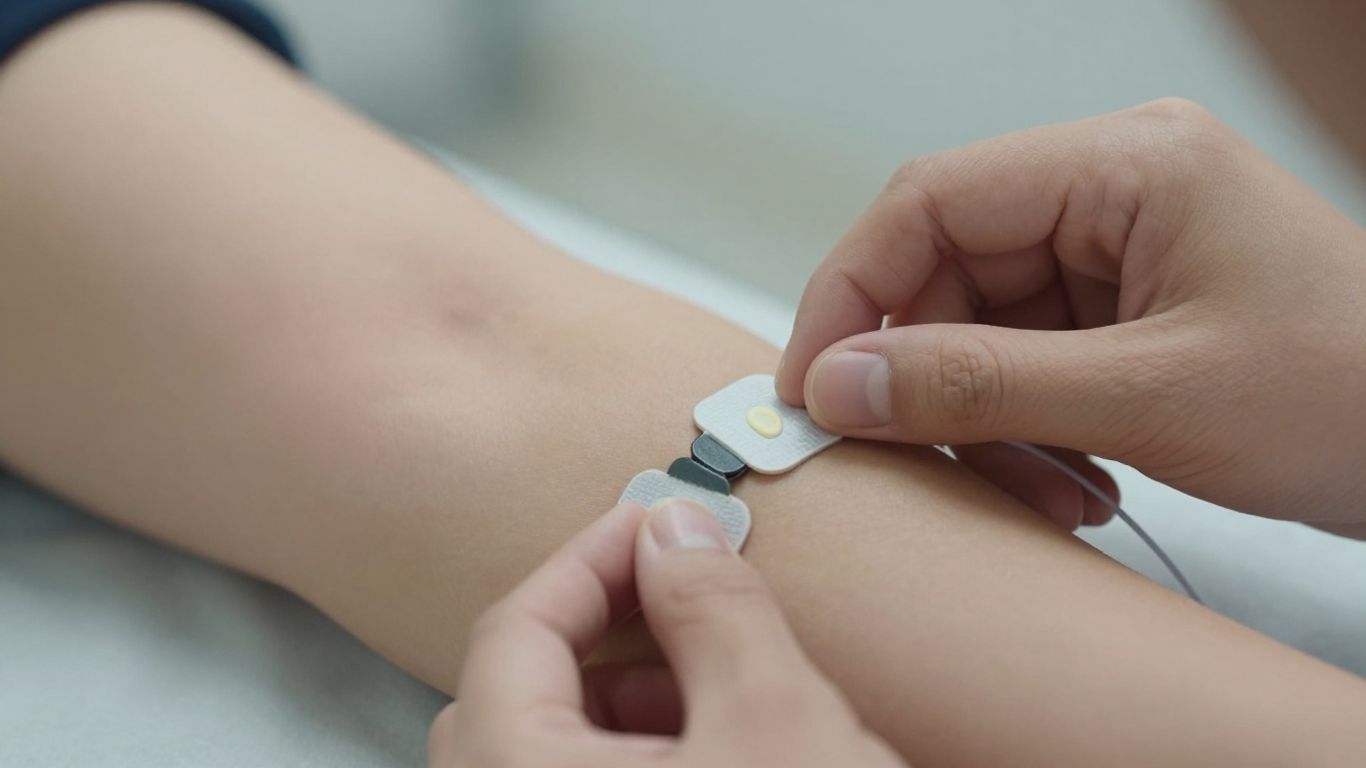
If you’ve never had nerve conduction studies (NCS) before, you might picture something a lot more dramatic than it actually is. During this part, small electrode stickers get placed on your skin. The technician then gives quick, tiny electrical pulses to see how well your nerves send signals. Most people say this just feels like a short zap—think a static shock from a doorknob, maybe dialed up by a notch. Some people barely flinch, while for others, it’s a bit surprising but not exactly painful. Usually, each jolt is over in a second, and you’ll get a handful of them.
Most describe this as more annoying or odd than truly painful—and it’s over almost as soon as you notice it.
Here's a look at what people often report:
- "The nerve shocks were surprising but not painful."
- "It was weird, but definitely tolerable."
- "Once I got used to the first zap, the rest were fine."
| Sensation | Typical Description | Pain Scale (0-10) |
|---|---|---|
| Electric pulse | Quick zap, brief jolt | 1-3 |
| Skin afterwards | Tingly, normal quickly | 0-1 |
You may find yourself tensing up the first time, but after a few rounds, the surprise usually fades and it’s just repetitive business.
Understanding Sensations During Needle EMG
The needle electromyography (EMG) part tends to make people the most uneasy. When you hear “needle,” you might brace yourself. Here’s how it really goes: the doctor or tech uses very slim needles to tap into specific muscles, one muscle at a time. Inserting the needle feels a bit like a fast pinch or a poke, and it doesn’t stay long. After the needle is in, you’ll be asked to relax, then gently tighten the muscle—it’s this flexing part that might give a deep ache or an odd pressure.
Some muscles are fussier than others, especially those near the bone or with little padding. The soreness doesn’t last, and each poke is brief—about 30-60 seconds in each spot before moving on. The sensation of the needle insertion is sometimes compared to that of a blood draw, though the needles used for EMG are typically very thin. Most patients report mild to moderate discomfort.
Key points to remember:
- Quick poke sensation
- Temporary ache during flexing
- Each spot is over in a minute or less
Managing Test Anxiety and Discomfort
Feeling nervous before your appointment? You’re not alone. In fact, many people walk in more anxious than necessary and walk out saying, “That wasn’t nearly as bad as I imagined.” Here are a few ways people get through it:
- Learn what to expect (like you’re doing now) to lower the mystery.
- Try breathing slowly or counting things in the room as a distraction.
- Tell the technician or doctor if you’re anxious—they can slow down, talk you through each step, or pause as needed.
- Bring a friend or family member for support, even if they just wait nearby.
- Remind yourself why you’re there: these mild discomforts could help your doctor figure out what’s really happening—and maybe get you on track for answers or peace of mind.
Remember, the anticipation often feels worse than the procedure itself. By the time it’s over, most people are surprised at how manageable it was.
Interpreting Your Ncs/Emg Results

So, you've gone through the nerve conduction studies and the electromyography. What happens now? It's natural to wonder what all those readings and sensations actually mean for you. The doctor who performed your test will look at everything very carefully. They're essentially piecing together a puzzle using the electrical signals from your nerves and muscles.
How Results Are Analyzed
The analysis involves looking at a few key things. For the nerve conduction studies (NCS), they'll check how fast and how strong the electrical signals are traveling along your nerves. Think of it like checking the speed and clarity of messages being sent. For the electromyography (EMG) part, they're examining the electrical activity within your muscles, both when they're at rest and when you're contracting them. Healthy muscles shouldn't show much electrical activity when they're relaxed (per the NIH). The computer records all this data, and the doctor interprets it.
- Nerve Signal Speed: How quickly the electrical impulse travels down a nerve.
- Signal Strength (Amplitude): How large the electrical signal is.
- Muscle Electrical Activity: What the muscle's electrical patterns look like at rest and during contraction.
- Nerve Damage Indicators: Specific patterns that suggest a nerve might be compressed, irritated, or damaged.
Temperature can actually affect nerve conduction speeds, so the technicians usually try to keep the area being tested at a consistent temperature. It's a detail that can make a difference in getting accurate results. Understanding nerve conduction studies involves looking at these specific measurements.
What Findings Might Indicate
Abnormal findings can point to a variety of issues. For example, slowed nerve conduction might suggest a nerve is being compressed, like in carpal tunnel syndrome, or that there's damage from conditions like diabetes. Reduced signal strength could mean there are fewer nerve fibers working or that the connection between the nerve and muscle isn't as strong as it should be. In the EMG, abnormal muscle activity, like spontaneous firing when it shouldn't, or a weak signal when you try to contract it, can indicate muscle disease or problems with the nerves controlling that muscle.
The results aren't usually a simple "yes" or "no" answer. Instead, they provide objective data that, when combined with your symptoms and medical history, helps your doctor understand what's going on. It's like getting a detailed report card for your nerves and muscles.
Discussing Results With Your Healthcare Provider
Once the analysis is done, your doctor will go over the report with you. This is your chance to ask questions and make sure you understand what the findings mean. They'll explain how the results relate to your symptoms and what the next steps might be. This could involve starting or adjusting medications, recommending physical therapy, or perhaps suggesting further tests if needed. The goal is to use this information to create the best possible plan for managing your condition. Sometimes, the test might confirm what was suspected, and other times it can rule out certain conditions or point the doctor in a new direction for diagnosis. EMG and nerve conduction studies are key tools in this diagnostic process. Remember, the results are just one part of the picture, and your doctor will consider everything when making recommendations.
The Value of Ncs/Emg Testing
So, why go through with this test? It might seem a bit daunting, but the information you get from NCS/EMG is pretty significant. Think of it as a way to get a clear picture of what's happening electrically within your nerves and muscles, something other tests just can't show you. It's not just about finding problems; it's about finding the right problems so you can get the right help.
Pinpointing Nerve and Muscle Issues
One of the biggest benefits of these tests is their ability to zero in on exactly where and why you might be having issues. Unlike imaging tests that show the structure of things, NCS/EMG shows how they're actually working, or not working, in real-time. This is super helpful for figuring out if your symptoms are coming from nerve damage, a muscle problem, or maybe a bit of both. It helps doctors understand the function of your nerves and muscles.
Here's a quick look at what the tests can help identify:
- Nerve Damage (Neuropathy): This could be anything from carpal tunnel syndrome to more widespread nerve issues.
- Muscle Disorders: Problems like muscular dystrophy or issues with how nerves signal muscles can be detected.
- Nerve Root Compression: Like when a herniated disc presses on a nerve.
- Diseases Affecting Motor Neurons: Conditions such as ALS.
The precision offered by NCS/EMG means your doctor isn't just guessing. They're getting concrete data about nerve signal speed, muscle electrical activity, and any abnormalities present. This detailed information is often the missing piece of the puzzle.
Guiding Treatment Strategies
Knowing the exact nature of a nerve or muscle problem is key to figuring out the best way to treat it. The results from your NCS/EMG can directly influence your treatment plan. For example, if the test shows a specific type of nerve damage, your doctor might prescribe certain medications or recommend physical therapy tailored to that condition. It helps avoid treatments that might not be effective or could even make things worse.
Here’s how the results can guide treatment:
- Medication Adjustments: Confirming a diagnosis might lead to starting or changing medications.
- Therapy Referrals: Identifying specific muscle weaknesses can lead to targeted physical or occupational therapy.
- Further Testing: Sometimes, the results point towards the need for additional investigations, like MRIs or other specialized tests.
- Surgical Considerations: In some cases, the findings might help determine if surgery is a viable option.
Providing Peace of Mind and Clarity
Let's be honest, not knowing what's causing your symptoms can be really stressful. Getting an NCS/EMG can bring a lot of clarity. Even if the test shows something unexpected, knowing what you're dealing with is often better than the anxiety of the unknown. And if the test comes back normal, it can rule out serious nerve or muscle conditions, helping your doctor explore other potential causes for your symptoms. This diagnostic process is often performed together with other tests to get a full picture.
Conclusion
Understanding your NCS/EMG test can seem a bit daunting, but knowing what to expect can make a big difference. These tests are powerful tools that help doctors figure out what's going on with your nerves and muscles. While there might be some temporary discomfort, the information gained is often key to finding the right treatment and getting you on the path to feeling better. Don't hesitate to ask your healthcare provider any questions you have – being informed is the first step to managing your health with confidence.
Frequently Asked Questions
What exactly is an NCS/EMG test?
Think of an NCS/EMG test as a way for your doctor to check on your nerves and muscles. The NCS part sends little electrical signals through your nerves to see how well they're sending messages. The EMG part uses a tiny needle to listen to the electrical activity happening inside your muscles when they move.
Will the test hurt?
It's not exactly a walk in the park, but most people find it's not too bad. The NCS part might feel like a quick zap or tingle (per Cleveland Clinic). The EMG part involves a thin needle going into your muscle, which can feel like a quick pinch. It's usually more uncomfortable than truly painful, and it's over pretty fast.
How long does the test take?
The whole thing usually takes about 30 to 60 minutes (per the Mayo Clinic). It depends on how many nerves and muscles your doctor needs to check. It's done in the doctor's office, and you can usually go home right after.
What should I do to prepare for the test?
It's best to avoid using lotions or creams on your skin in the area being tested on the day of your appointment (per MedlinePlus). Also, wear comfortable clothes that are easy to roll up so the doctor can reach the right spots. Make sure to tell your doctor about any medications you're taking, especially blood thinners, and any medical devices like pacemakers.
What kind of information can this test give?
This test is really good at showing if there's a problem with how your nerves are sending signals or how your muscles are working. It can help find issues like nerve damage, muscle diseases, or problems where nerves connect to muscles. It gives your doctor clues to figure out what's causing symptoms like weakness, numbness, or pain.
Can I eat or drink before the test?
Generally, you can eat and drink normally before your NCS/EMG test. However, your doctor might tell you to skip caffeine or smoking a few hours beforehand because those things can sometimes affect the results. Always follow your doctor's specific instructions.
Sources
- MedlinePlus — Electromyography (EMG) and Nerve Conduction Studies
- Mayo Clinic — Electromyography (EMG)
- Cleveland Clinic — Electromyography (EMG)
- NIH National Institute of Neurological Disorders and Stroke — Neurological Diagnostic Tests and Procedures Fact Sheet
- National Library of Medicine — Evaluation of common problems in nerve conduction studies