
Looking to sharpen your mind and improve your focus? Here are some key takeaways from our deep dive into the best supplements for focus and concentration in 2026. These are the ingredients making waves for their potential to support cognitive function.
Key Takeaways
- Lion's Mane mushroom may help with nerve growth and attention.
- Magnesium L-Threonate is known for crossing the brain barrier to help with memory and sleep.
- Omega-3 fatty acids are vital building blocks for brain cells and can support memory.
- Citicoline is thought to support brain energy and attention.
- L-Theanine, found in green tea, can promote calm focus without the jitters.
1. Lion's Mane
Lion's Mane mushroom, or Hericium erinaceus, is a fascinating fungus that's been getting a lot of buzz lately for its potential to help with brain function. It's thought to work by encouraging the growth of new nerve cells, which is pretty neat. Think of it like giving your brain a little nudge to build more connections.
Some research suggests it might help with memory and focus, especially when you're feeling a bit foggy. It's not a magic bullet, of course, but it's one of those natural ingredients that people are looking into for cognitive support. It's often found in blends aimed at improving mental clarity and attention.
The idea is that by supporting the growth and repair of neurons, Lion's Mane could contribute to better overall cognitive performance. It's a natural approach that many are exploring.
Here's a quick look at what makes it interesting:
- Neurogenesis Support: May stimulate nerve growth factor (NGF), which is important for neuron health.
- Cognitive Function: Studies hint at improvements in memory and attention.
- Mood Regulation: Some users report a reduction in anxiety when taking it.
It's often paired with other ingredients, like caffeine, to potentially boost its effects. You'll see it popping up in various supplements designed for brain health, sometimes even combined with things like magnesium L-threonate for a more comprehensive approach to cognitive support.
2. Magnesium L-Threonate
Magnesium L-threonate is not your average magnesium supplement. What makes it different is its unique ability to cross the blood-brain barrier, which means it actually reaches your brain—something that most regular magnesium supplements can’t do very well. This is important because magnesium is key to supporting brain cell activity, especially when it comes to memory, focus, and learning.
Here’s why people are choosing magnesium L-threonate for cognitive support:
- Supports synaptic density: Higher synaptic density is linked to sharper thinking and quicker recall.
- Promotes better sleep quality: Good sleep is closely tied to how well your brain processes new information.
- Helps reduce occasional brain fog: Many users report better mental clarity and less forgetfulness when taking it regularly.
Let’s break down how its brain benefits compare to typical magnesium options:
| Supplement Type | Crosses Blood-Brain Barrier? | Reported Cognitive Benefits |
|---|---|---|
| Magnesium L-Threonate | Yes | Memory, learning, mental clarity |
| Magnesium Citrate | No | Muscle relaxation, supports sleep |
| Magnesium Oxide | No | Digestive support |
If you’ve ever felt mentally sluggish, or if you’re struggling through a string of days where you just can’t find your words, magnesium L-threonate could be the missing piece. There’s also some promising research connecting this supplement to cognitive performance and overall brain health.
Sometimes, the difference between feeling foggy and feeling alert really comes down to the nutrients your brain is getting. For many, adding magnesium L-threonate has made it easier to stay focused and clear-headed.
For those interested in a deeper look at the research and benefits, check out this straightforward overview on Magnesium L-threonate and cognitive well-being.
3. Omega-3s
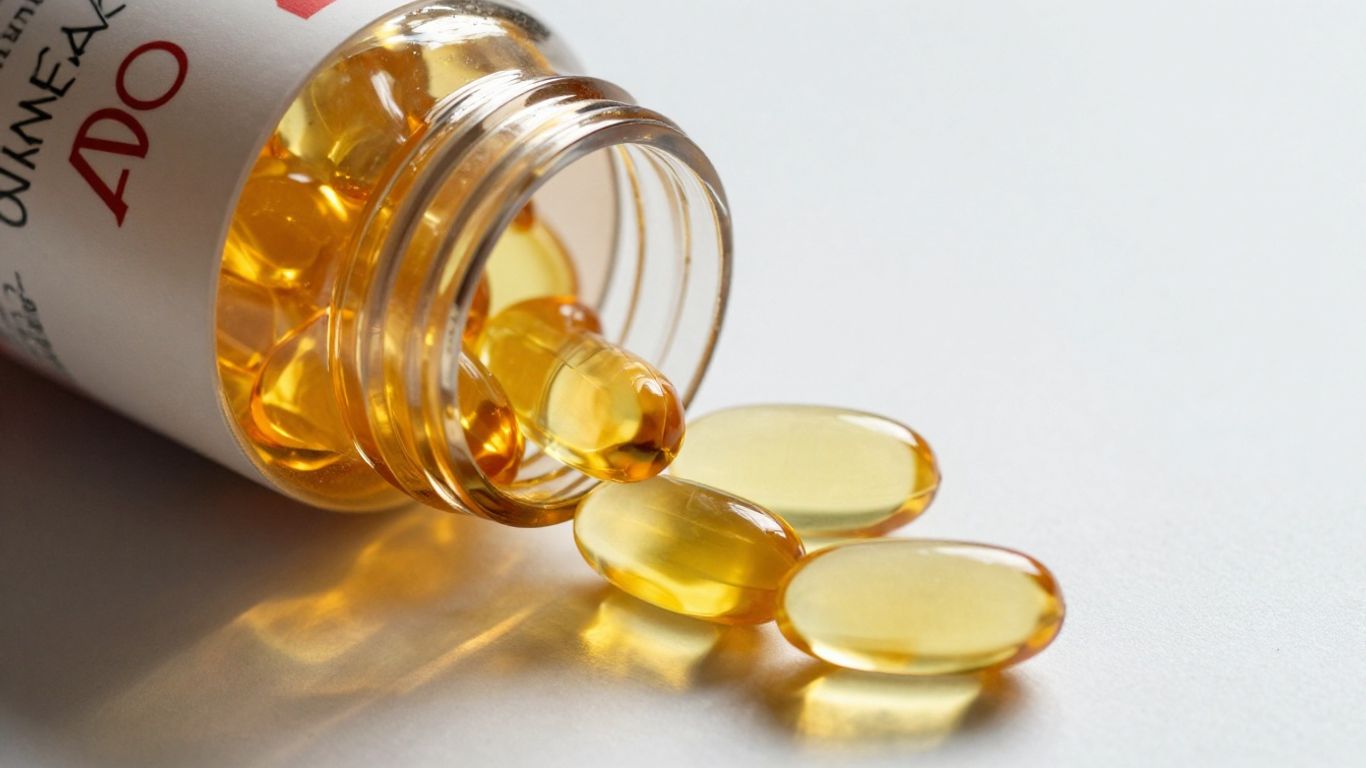
You've probably heard about omega-3 fatty acids, and for good reason. They're pretty important for keeping your brain running smoothly. Think of them as building blocks for your brain cells. Specifically, DHA, one of the main types of omega-3s, is a huge part of your brain's structure. Getting enough of these fats can really help with how well your brain works overall.
These fatty acids are known for a few key things:
- Supporting Brain Cell Membranes: They help keep the outer layers of your brain cells flexible and functional, which is vital for communication between cells.
- Cognitive Performance: Studies suggest that regular intake can support memory and general thinking skills, especially as we get older.
- Mood Regulation: There's also a connection between omega-3 levels and mood stability, which indirectly impacts focus.
Omega-3s are a foundation for good brain function. You can get them from fatty fish like salmon and sardines, or if you're not a fan of seafood, algae-based supplements are a great alternative. Making sure you have a steady supply is a smart move for long-term brain health. If you're looking for ways to support your cognitive health, considering how to improve brain health is a good start.
4. Citicoline
Citicoline, also known as CDP-Choline, is a compound that plays a role in how our brains create certain chemicals. Think of it as a building block for important brain compounds. It's particularly interesting because it's thought to help with memory and focus by supporting the structure of brain cells. When you take citicoline, your body breaks it down into choline and cytidine. Choline is a key ingredient for making acetylcholine, a neurotransmitter that's really important for learning and memory. Cytidine can be converted into uridine, which is also involved in brain cell health.
Research suggests that citicoline can help improve attention and focus, especially in situations where your mental energy is flagging. It's often looked at for its potential to help people who are experiencing age-related cognitive decline or even those recovering from a brain injury. Some studies have shown improvements in attention, concentration, and even problem-solving skills after people started taking it. It seems to work by increasing blood flow to the brain and boosting the production of neurotransmitters.
Here's a quick look at what it might do:
- Supports Neurotransmitter Production: Helps your brain make acetylcholine, vital for memory and learning.
- Boosts Brain Cell Structure: Aids in maintaining the integrity of brain cell membranes.
- Increases Brain Blood Flow: May improve circulation to key areas of the brain.
- Enhances Mental Energy: Can help combat fatigue and improve focus, particularly when mentally taxed.
It's not just about raw cognitive power, though. Some people find that citicoline helps them feel less mentally fatigued throughout the day. This can make a big difference when you're trying to get through a long workday or study session. It's a compound that's been studied for its potential to help with various aspects of cognitive function, making it a noteworthy supplement for anyone looking to support their brain health. If you're feeling that mid-afternoon slump or struggling to maintain concentration, citicoline might be worth considering. You can often find it in supplements aimed at improving overall brain function and mental clarity.
5. L-Theanine
L-Theanine is an amino acid that's naturally found in tea leaves, especially green tea. It's pretty well-known for its ability to promote a state of calm alertness. Think of it as a way to get focused without feeling wired or anxious. It's often paired with caffeine to smooth out the jittery side effects and create a more sustained energy and concentration.
This compound works by increasing alpha brain waves, which are associated with a relaxed but focused state. It also influences neurotransmitters like GABA, dopamine, and serotonin, all of which play a role in mood and cognitive function. So, if you're looking for that "in the zone" feeling, L-Theanine might be a good addition to your routine.
Here's a quick look at what it can do:
- Promotes relaxation without drowsiness.
- Supports mental clarity and focus.
- Helps manage stress responses.
- Can improve sleep quality when taken before bed.
Many people find that combining L-Theanine with their morning coffee or tea helps them stay on task longer and feel less overwhelmed by distractions. It's a pretty gentle way to support your brain's ability to concentrate. You can find it as a standalone supplement or in various nootropic blends designed for cognitive support. If you're curious about how different supplements can help with brain fog, especially during life changes like perimenopause, exploring options like brain-boosting foods is also a good idea.
L-Theanine is a unique amino acid that offers a balanced approach to mental performance. It helps quiet the mental chatter that can get in the way of productivity, allowing for clearer thinking and better task management. It's not about a jolt of energy, but rather a smooth, steady state of focus.
It's interesting how something so simple can have such a noticeable effect on how you feel and perform. For many, it's become a go-to for tackling demanding tasks or just getting through a busy day with a bit more ease. You can find more information about its effects on focus and cognitive performance here.
6. B Vitamins
You know, B vitamins are kind of the unsung heroes when it comes to keeping your brain running smoothly. They're not flashy like some of the newer nootropics, but they play a really important role in how your brain cells work. Think of them as the essential maintenance crew for your nervous system.
Specifically, certain B vitamins are vital for protecting your brain cells and keeping those nerve signals firing correctly. Without enough of them, things can get a bit sluggish. It’s not just about energy; it’s about the actual structure and function of your brain.
Here’s a quick rundown of some key players:
- Vitamin B6 (Pyridoxine): Involved in making neurotransmitters, which are like the chemical messengers in your brain. Getting enough B6 helps ensure these messages get sent clearly.
- Vitamin B9 (Folate/Folic Acid): This one is super important for protecting brain cells and keeping nerve cells healthy. It's involved in DNA synthesis and repair, which is happening constantly in your brain.
- Vitamin B12 (Cobalamin): Crucial for nerve function and the formation of myelin, the protective sheath around your nerve fibers. Low B12 can lead to all sorts of neurological issues, including memory problems. If you're noticing memory issues, it might be worth checking your B12 levels.
It's pretty interesting how these vitamins work together. They're involved in energy metabolism within the brain cells, helping them convert food into fuel. This means they directly impact your ability to focus and think clearly throughout the day.
While you can get B vitamins from your diet, especially from things like leafy greens, whole grains, and lean meats, some people might not absorb them as well or might have higher needs. Supplementation can be a straightforward way to fill any gaps, but it's always a good idea to talk to a doctor before you start, especially if you're taking other medications or have health conditions. For instance, high doses of biotin, another B vitamin, can mess with certain lab tests, so it's good to be aware of that.
So, while you're looking at the more advanced brain boosters, don't forget the foundational support that B vitamins provide. They’re a simple, yet powerful, addition to your cognitive health strategy.
7. Creatine

You might think of creatine as something strictly for the gym, right? Lifting weights, building muscle – that's the usual story. But it turns out, your brain uses a lot of energy too, and creatine plays a role there as well. Think of it as fuel for your brain cells.
When you're deep in thought, working on a complex problem, or trying to recall information quickly, your brain is burning through energy. Creatine helps your brain's cells produce and store this energy. Some research suggests that supplementing with creatine could boost the amount of creatine in your brain, which might help with energy metabolism, especially when your brain is under heavy demand. It's not about being wired; it's about having the sustained mental stamina to keep going. If you're looking for ways to support your cognitive endurance, especially during long study sessions or demanding workdays, creatine might be worth considering. It's a different way to think about brain fuel, moving beyond just stimulants. You can find creatine in various forms, like powders or even convenient chews, making it easier to incorporate into your daily routine. For those interested in exploring this further, Momentous Creatine Chews are an example of products reframing creatine for cognitive support.
While often associated with physical performance, creatine's role in brain energy production is gaining attention. It helps replenish the cellular energy your brain needs for tasks requiring quick thinking and sustained mental effort.
Here's a quick look at how creatine might help your brain:
- Supports Brain Energy Production: Helps your brain cells create ATP, the main energy currency.
- Enhances Cognitive Stamina: May provide the energy needed for prolonged mental tasks.
- Aids Recall: Potentially improves the speed and efficiency of retrieving information.
- Neuroprotective Potential: Some studies hint at protective effects for brain cells, though more research is needed.
It's interesting how something so common in fitness circles is showing promise for our mental sharpness too. If you're feeling mentally drained after long periods of concentration, creatine could be a helpful addition to your stack. Remember, though, it's always a good idea to chat with a healthcare provider before starting any new supplement, especially if you have existing health conditions or are taking other medications. They can help you figure out if it's the right fit for you and what dosage might be appropriate. For more on how lifestyle factors can impact memory, you might want to look into lifestyle factors affecting memory.
8. NAD+
NAD+, or nicotinamide adenine dinucleotide, is a coenzyme found in all living cells. It's pretty important for a bunch of bodily functions, especially when it comes to energy production and keeping your DNA in good shape. Think of it as a key player in your cellular powerhouses, the mitochondria. As we get older, though, our NAD+ levels tend to drop, which some researchers think might be linked to a lot of the age-related stuff we experience, including a dip in focus and energy.
Replenishing NAD+ levels might help support better brain function and combat fatigue. Supplements that boost NAD+ often use precursors like nicotinamide riboside (NR) or nicotinamide mononucleotide (NMN). These are like building blocks that your body can use to make more NAD+. The idea is that by giving your body more of these precursors, you can help bring those declining NAD+ levels back up. This could potentially lead to improved mitochondrial function, which is good for overall energy and resilience, including in your brain cells. Some studies even suggest it could help with muscle strength and recovery, which indirectly supports your ability to stay active and focused.
Here's a quick look at why NAD+ is getting attention:
- Energy Production: It's vital for converting food into energy at the cellular level.
- DNA Repair: NAD+ is involved in processes that fix damaged DNA.
- Cellular Health: It plays a role in signaling pathways that keep cells healthy and functioning.
While research is ongoing, the potential for NAD+ precursors to support cognitive function and combat age-related decline is an interesting area. It's definitely something to keep an eye on as we look for ways to maintain sharp minds as we age.
9. Ginkgo Biloba
Ginkgo Biloba is one of those supplements that's been around for ages, and for good reason. It's traditionally used to help with blood flow, especially to the brain. Think of it like giving your brain a bit of a tune-up to keep things running smoothly. Improved circulation can mean better delivery of oxygen and nutrients, which is pretty important for keeping your mind sharp.
So, how does it actually work? Ginkgo is thought to have antioxidant properties, which means it helps fight off those pesky free radicals that can damage cells. It also contains compounds called flavonoids and terpenoids, which are believed to be responsible for its brain-boosting effects. Some research suggests it might help with memory and cognitive speed, though the results can vary.
Here's a quick look at what it's often associated with:
- Enhanced Blood Flow: Helps get more oxygen and nutrients to the brain.
- Antioxidant Support: Protects brain cells from damage.
- Cognitive Function: May support memory and focus.
It's worth noting that while Ginkgo has a long history of use, it's always a good idea to chat with your doctor before adding it to your routine, especially if you're on other medications. You can find Ginkgo in various forms, like capsules or tinctures, and it's often paired with other brain-friendly ingredients. If you're looking for ways to support your cognitive health, Ginkgo Biloba is definitely a supplement worth considering as part of a broader strategy to combat brain fog.
While Ginkgo Biloba has a long history of use, it's important to remember that supplements are just one part of the picture. A balanced diet, regular exercise, and sufficient sleep are also key players in maintaining optimal brain function. Don't expect a magic pill; think of supplements as helpful additions to a healthy lifestyle.
10. Functional Mushrooms
Functional mushrooms are creeping into just about every corner of the supplement aisle these days. But what are they actually doing for your brain? The buzz around reishi, chaga, and turkey tail is getting louder for good reason: these mushrooms boast a unique blend of compounds that support brain clarity, stress balance, and even gut health—each of which feeds into focus and day-to-day sharpness.
What makes functional mushrooms stand out is their adaptogenic nature, helping your body respond to daily stress without that wired feeling you'd get from another shot of espresso. Unlike plain button mushrooms, these varieties carry beta-glucans and antioxidants, which can support the gut-brain axis. The gut-brain axis might sound technical, but it’s basically the two-way street between your digestive system and your mind, so what happens in your gut can hit your mood and mental clarity before you know it.
Here's what you’ll see trending in functional mushroom blends:
- Lion’s Mane for sustaining memory and alertness
- Reishi for its calming properties, especially during tense days
- Chaga and turkey tail for immune system support that indirectly carries over to brain endurance
Some new blends on the market pile these mushrooms together with green tea or matcha for an even more rounded effect, so you get an energy kick without the crash. Products like MUD\WTR and Laird’s Performance Mushrooms are examples of this trend. And people around me swear by their ritual afternoon cup—claiming it's kept the 3pm slump at bay, no joke.
| Mushroom | Key Effect | Typical Use |
|---|---|---|
| Lion’s Mane | Memory & Focus | Daily, AM snack |
| Reishi | Calm, Stress Balance | Evening |
| Chaga | Immune/Brain Support | AM or PM |
If you’re tired of the spike-and-crash cycle that comes with most caffeinated drinks, functional mushrooms could be a slow and steady helper for clear-headed days.
If you want to know how these adaptogenic mushrooms fit into overall wellness, check out their use as powerful stress support tools in adaptogenic blends. No magic bullets here, but as regular part of your routine, they’re a smart way to support long-term concentration and balanced energy.
Conclusion
So, there you have it. A look at some of the top contenders for boosting focus and concentration in 2026. Remember, while these supplements show promise, they work best when combined with a healthy lifestyle. Think good sleep, a balanced diet, and managing stress. It's always a good idea to chat with your doctor before starting any new supplement, especially if you have existing health conditions or are taking other medications. Here's to a sharper, more focused you!
Frequently Asked Questions
What are the best supplements for focus?
Some of the top supplements people are looking into for better focus include Lion's Mane, Magnesium L-Threonate, Omega-3s, Citicoline, and L-Theanine. These are thought to help your brain work better.
Can supplements really help with concentration?
Yes, some supplements can help. They might give your brain the nutrients it needs to stay sharp. Think of it like giving your brain good fuel to help it concentrate.
Are there any natural ways to improve focus besides supplements?
Absolutely! Getting enough sleep is super important for focus. Eating healthy foods, like fruits and veggies, also makes a big difference. Even taking short breaks during tasks can help reset your brain.
How do I know which supplement is right for me?
It's best to talk to a doctor or a health expert. They can help you figure out if a supplement is a good idea for you, based on your health and what you're trying to achieve. They can also check for any possible side effects.
Do I need to take supplements forever to stay focused?
Not necessarily. Supplements can be helpful, but they're often part of a bigger picture. A healthy lifestyle with good sleep and diet is key. You might use supplements for a while to help you get back on track.
Are there any side effects from these focus supplements?
Most people don't have major issues, but like anything, there can be side effects. Some people might get an upset stomach or feel a bit different at first. It's why talking to a doctor before starting is a smart move.